Avoiding the Year-End Tax Rush: Tips for Last-Minute Filers
Avoid the year-end tax rush with expert tips for last-minute filers. Learn effective strategies to streamline your tax preparation process.
Introduction: Don’t Wait Until It’s Too Late!
The year-end tax rush is a familiar scenario for many individuals and small business owners. As tax deadlines loom, the pressure to get everything in order can be overwhelming. However, with the right strategies in place, you can avoid the last-minute scramble and ensure your tax filing is both efficient and effective.
In this guide, we will explore essential year-end tax tips, practical advice for last-minute tax filing, and strategies tailored for both individuals and small businesses. By the end, you’ll have a clear roadmap to navigate your tax obligations without the last-minute stress.

1. Organize Your Financial Documents Early
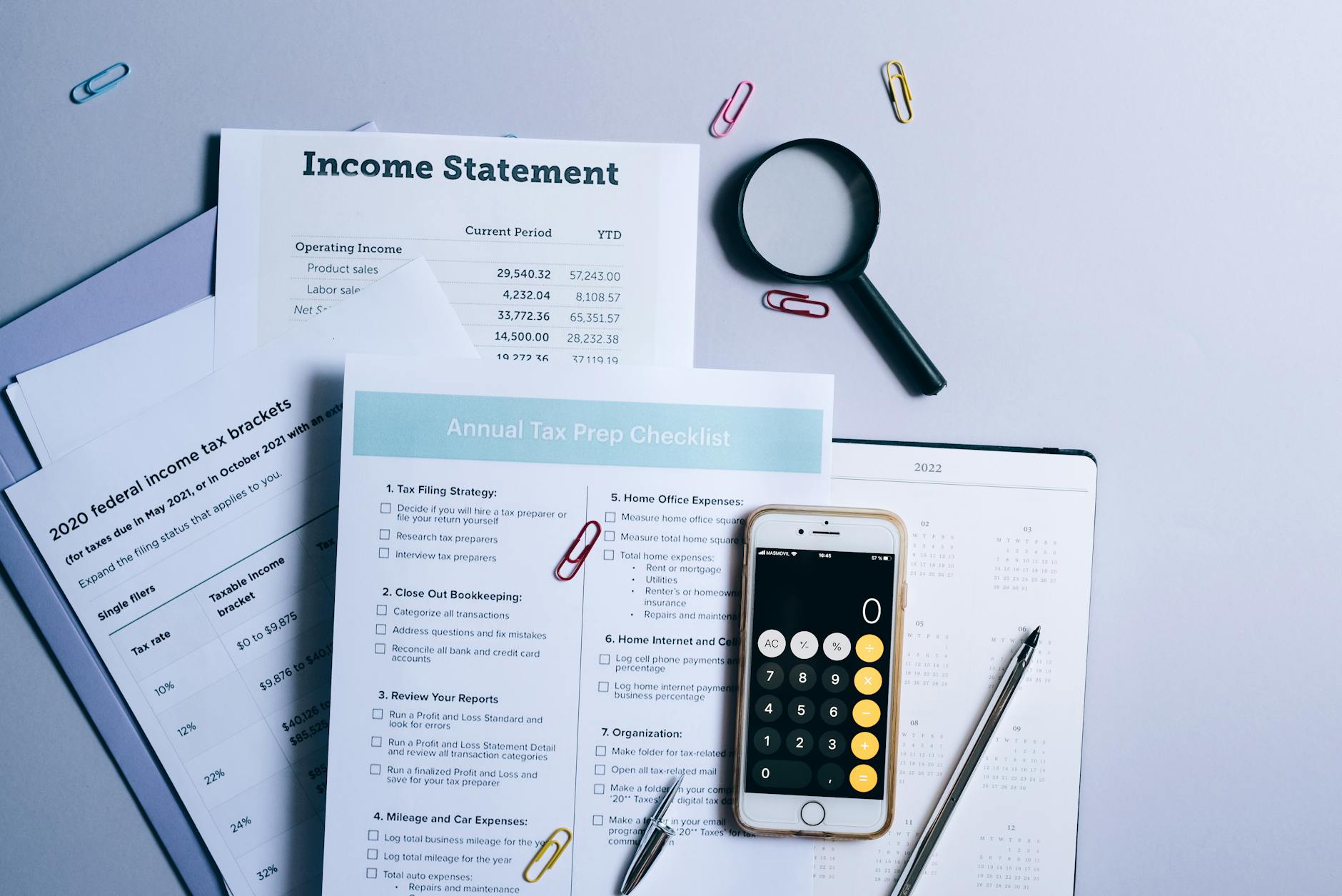
One of the most critical steps in the tax preparation process is organizing your financial documents. As you approach the end of the year, start gathering relevant paperwork such as:
- W-2 Forms: These are essential for employees and must be issued by January 31.
- 1099 Forms: Independent contractors will receive these forms, typically by the same date.
- Receipts and Invoices: For small business owners, keeping track of all business-related expenses is vital.
- Bank Statements: These will help reconcile your income and expenses.
By organizing these documents now, you can prevent a last-minute rush to find paperwork when the deadline approaches.

2. Understand the Tax Deadlines
Being aware of key tax deadlines is crucial for effective tax preparation. For most individuals and businesses, the tax filing deadline is April 15. However, if you are a sole proprietor or a single-member LLC, your taxes are due on the same date. Here are some important dates to keep in mind:
- January 31: Deadline for employers to issue W-2 forms.
- March 15: Deadline for S-Corporations and partnerships to file.
- April 15: Individual tax returns are due.
- October 15: Deadline for those who filed for an extension.
Mark these dates on your calendar to avoid any late penalties!

3. Maximize Deductions and Credits
As the year comes to a close, consider strategies to maximize your deductions and credits. Here are a few tips to optimize your tax return:
- Retirement Contributions: Contributing to a retirement account like a 401(k) or IRA can reduce your taxable income.
- Charitable Donations: Donations made before December 31 can be deducted on your tax return.
- Business Expenses: Ensure you claim all eligible expenses, such as home office costs or business travel.
Utilizing these strategies can significantly impact your tax liability and boost your refund.

4. Consider Tax Preparation Help
If you’re feeling overwhelmed, seeking tax preparation help can be a game-changer. Enrolled agents, like those at Libre Tax Service in Cerritos, CA, can provide personalized assistance tailored to your unique situation. They can help you:
- Navigate Complex Tax Situations: If you have multiple income streams or own a business, expert guidance is invaluable.
- Maximize Deductions: Professionals can identify deductions you may not be aware of.
- File Accurately and On Time: Avoid mistakes that could lead to penalties.
Don't hesitate to reach out for expert tax assistance!
5. Utilize Tax Software and Online Resources
For those who prefer a DIY approach, leveraging tax software can make the filing process smoother. Many programs offer step-by-step guidance and can help you:
- Calculate Tax Liabilities: Automatically calculate what you owe based on the information you input.
- Ensure Compliance: Stay updated on tax law changes and ensure forms are filled out correctly.
- File Electronically: E-filing is faster and can lead to quicker refunds.
Additionally, consider online resources, including IRS publications and guides that provide detailed information on tax regulations.
Key Takeaways
- Start organizing your financial documents early to avoid last-minute chaos.
- Mark important tax deadlines in your calendar to stay on track.
- Maximize deductions by contributing to retirement accounts and making charitable donations before year-end.
- Consider seeking help from tax professionals to navigate complex tax situations.
- Utilize tax software for an efficient DIY filing experience.
Frequently Asked Questions
What is the deadline for filing taxes in 2024?
For the tax year 2023, the deadline to file your taxes is April 15, 2024, unless you file for an extension.
Can I still claim deductions after December 31?
Generally, deductions must be associated with expenses incurred before December 31 of the tax year, although certain retirement contributions can be made until the tax filing deadline.
What forms do I need for tax filing?
Common forms include the W-2 for employees, 1099 for freelancers, and various schedules depending on your income and deductions.
Is it beneficial to hire a tax professional?
Yes, hiring a tax professional can save you time, ensure compliance, and help maximize your deductions and credits.
Disclaimer: This content is for informational purposes only and should not be construed as tax advice. Please consult a tax professional for specific guidance regarding your situation.
Need expert tax help?
Cerritos-based Enrolled Agents helping individuals and businesses nationwide with filing, IRS issues, and bookkeeping.