Avoiding Tax Penalties: Key Deadlines Every Small Business Owner Must Know
Discover essential tax deadlines for small businesses to avoid costly penalties and get practical tips for filing taxes efficiently.
Introduction
As a small business owner, managing your operations can feel overwhelming, especially when it comes to understanding tax obligations. Missing a crucial tax deadline can lead to hefty penalties that can strain your finances. In this guide, we’ll break down the key tax deadlines you must know to avoid these penalties and provide practical tips for filing taxes efficiently. Whether you're a seasoned entrepreneur or just starting, knowing these dates can save you time and money.
Understanding Tax Penalties
Tax penalties can be more than just a nuisance; they can impact your business's cash flow significantly. The IRS imposes penalties for various reasons, including:
- Late Filing Penalty: Usually 5% of the unpaid tax for each month your return is late, up to 25%.
- Late Payment Penalty: Typically 0.5% of the unpaid taxes for each month or part of a month your payment is late.
- Failure to Pay Penalty: If you don't pay your taxes in full by the due date, the IRS charges a penalty.
Understanding these penalties is crucial as they can add up quickly. Staying informed about key deadlines can help you avoid them.
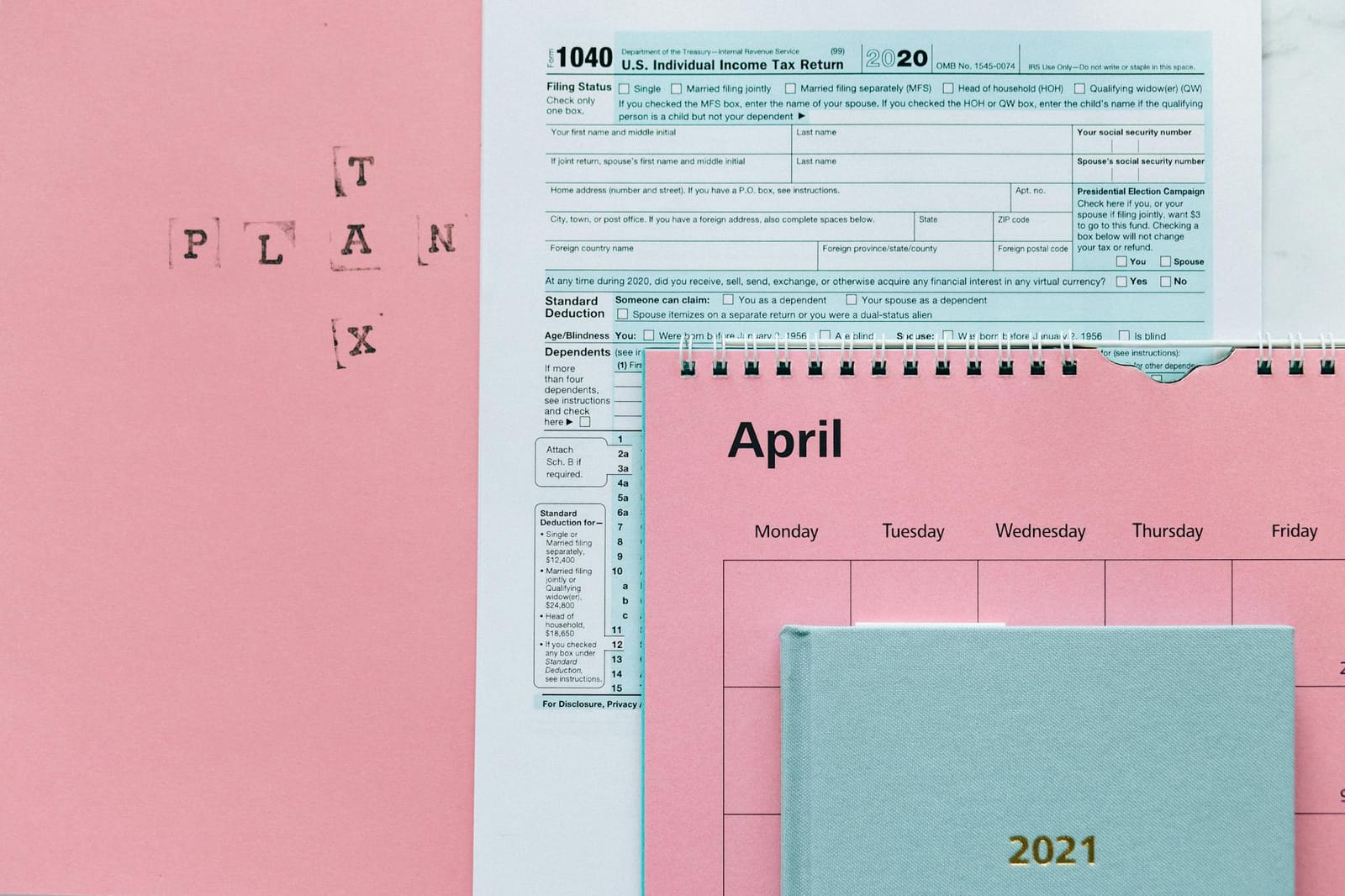
Key IRS Deadlines for Small Business Owners
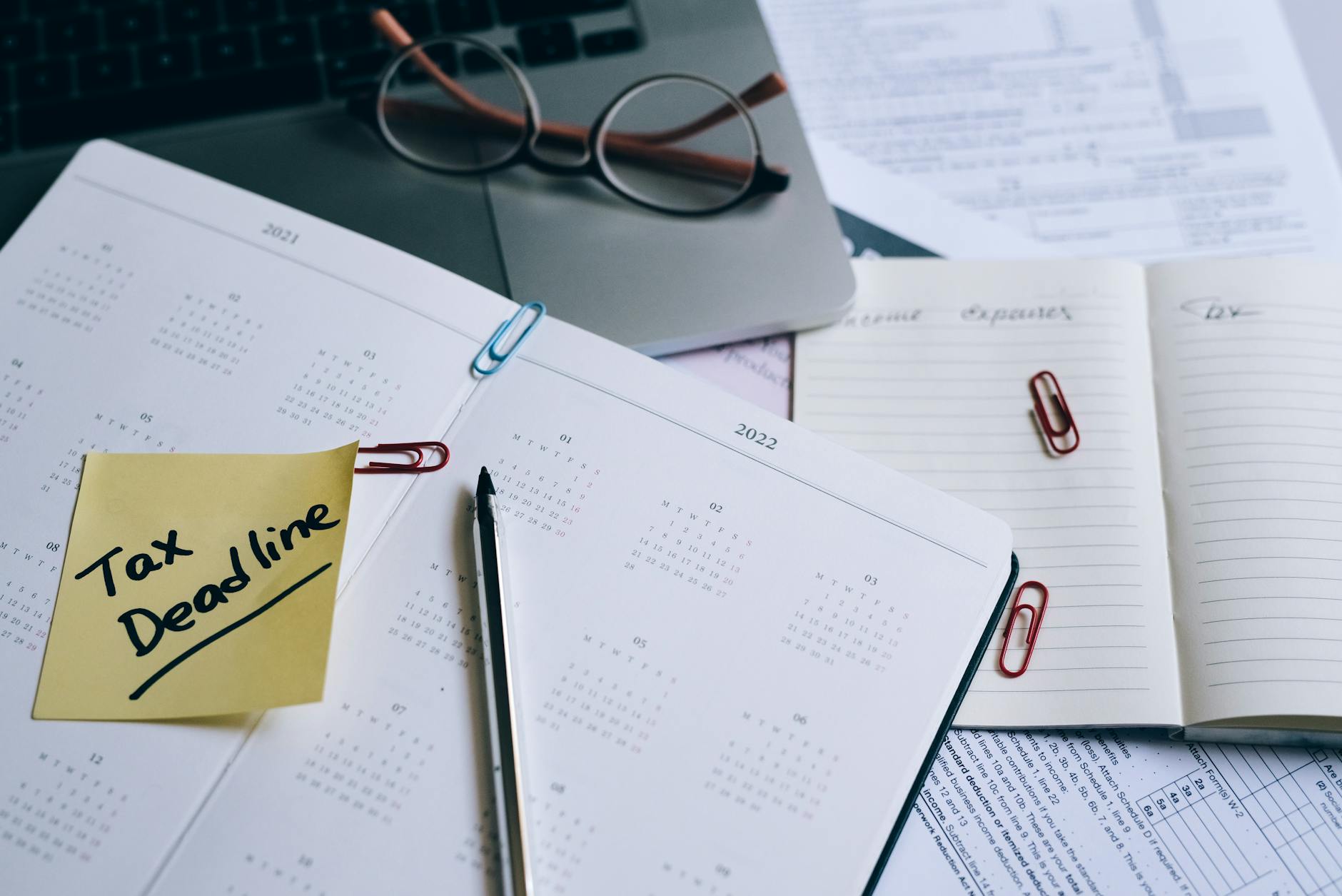
Mark these important deadlines on your calendar to ensure you stay compliant:
- January 31: Deadline for employers to send out Form W-2 to employees and Form 1099 to contractors.
- March 15: S Corporation and partnership returns (Form 1120S and Form 1065) are due.
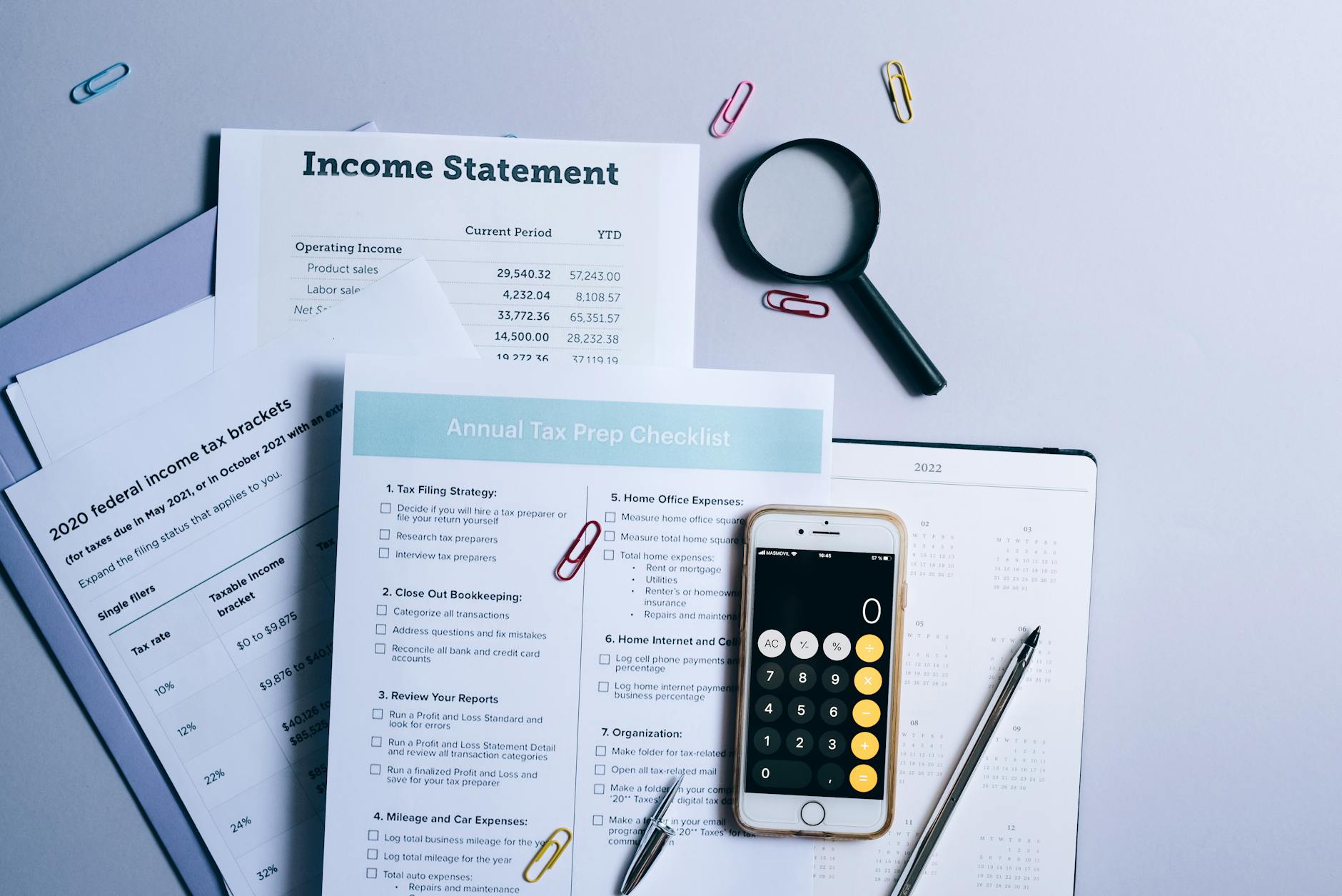
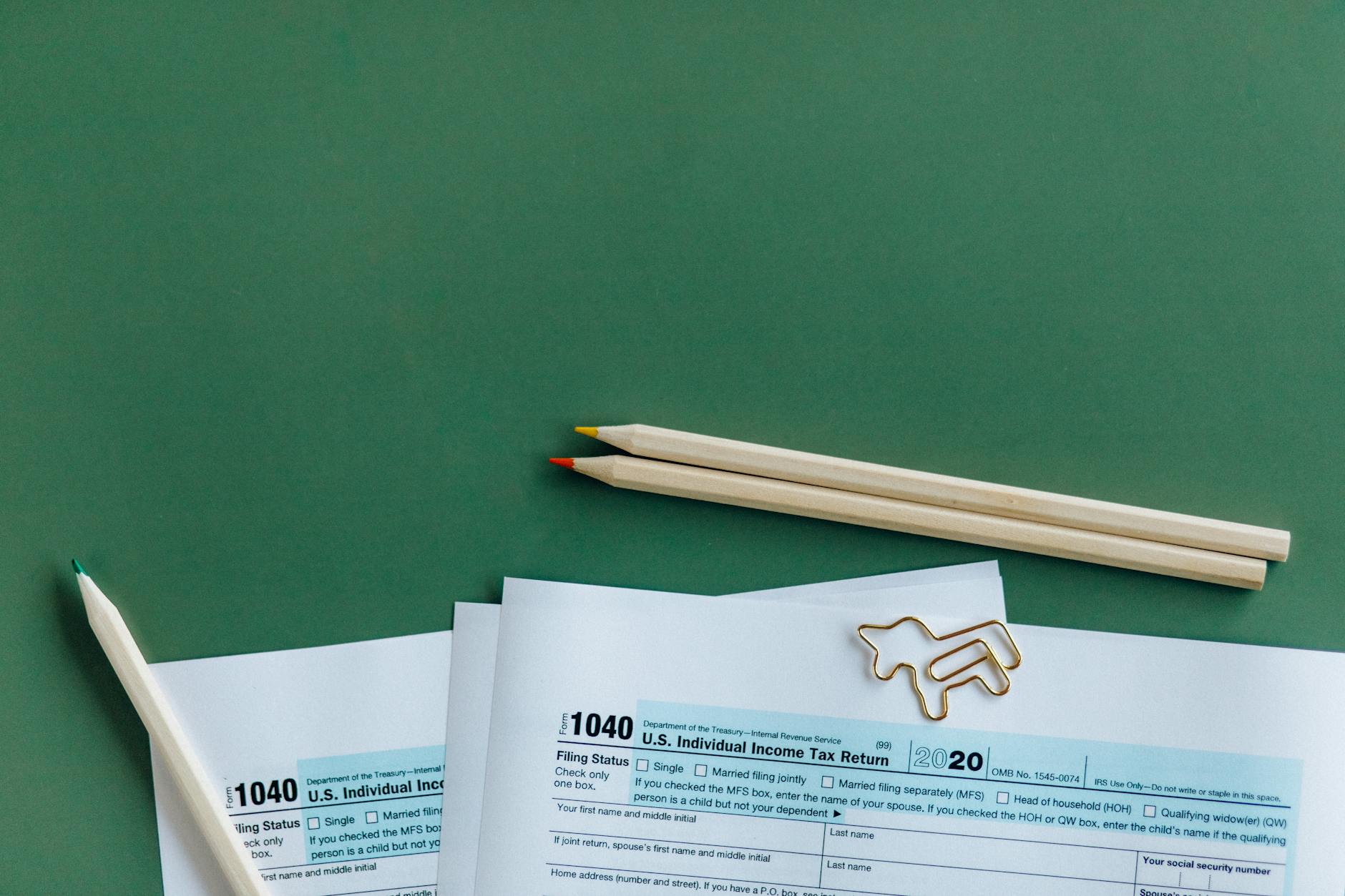
- April 15: Individual tax returns (Form 1040) and C Corporation returns (Form 1120) are due. If you miss this deadline, you can request a six-month extension.
- June 15: Deadline for U.S. citizens living abroad to file their returns.
- September 15: Deadline for extended corporate and partnership tax returns.
- October 15: Deadline for extended individual tax returns.
These dates are crucial, and being proactive can save you from unnecessary stress and penalties.
Strategies to Stay on Track
Here are some practical strategies to help you stay organized and on top of your tax obligations:
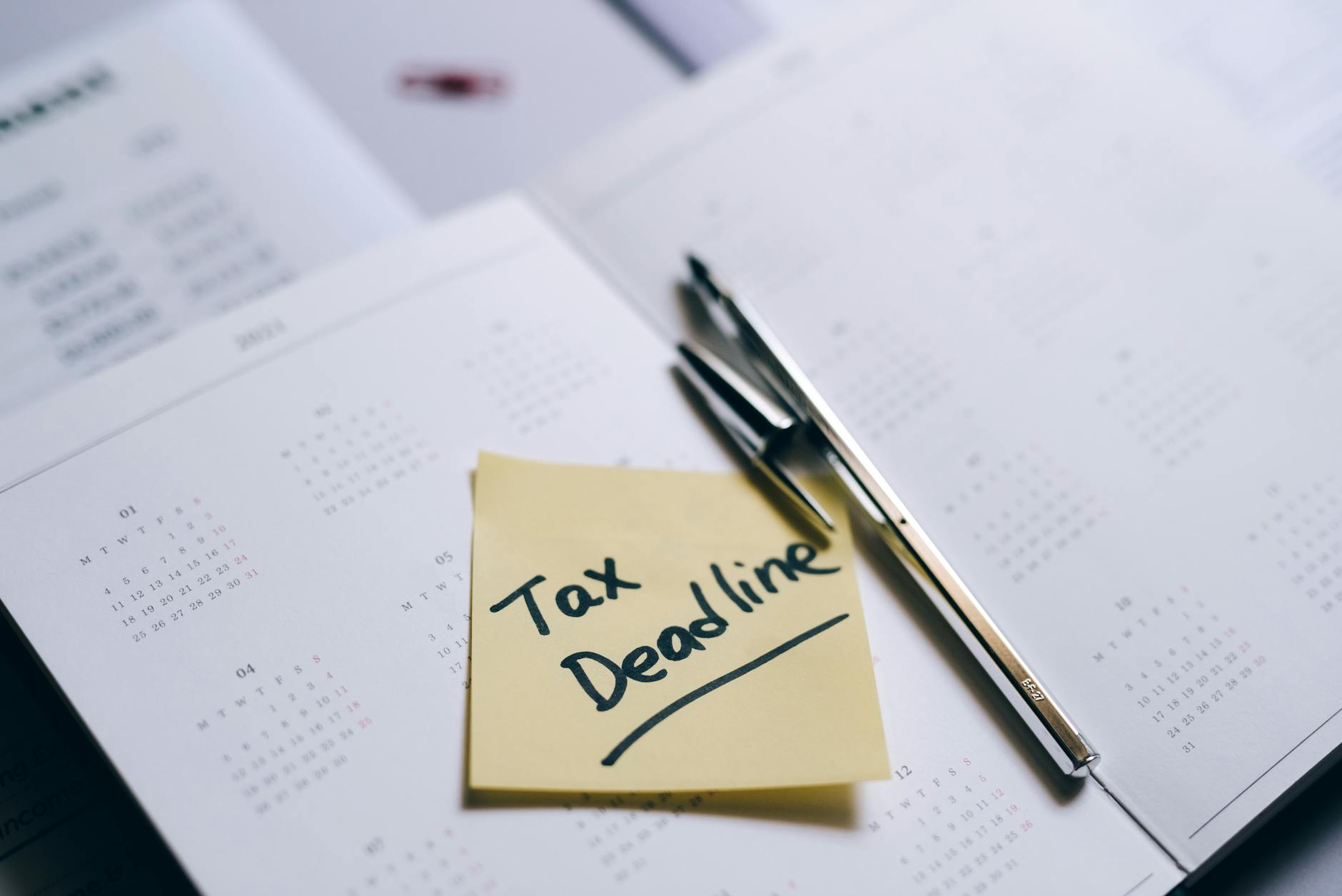
- Use a Calendar: Create a tax calendar with all important deadlines. Digital tools can send you reminders as dates approach.
- Keep Accurate Records: Maintain organized financial records to make filing easier. Consider using accounting software to track income and expenses.
- Consult a Tax Professional: Working with a tax professional can provide clarity and ensure you take advantage of all deductions and credits available.
- Set Aside Funds: Regularly set aside money for tax payments to avoid cash flow issues when taxes are due.
Implementing these strategies can streamline the tax process and reduce the chances of missing a deadline.
Common Mistakes Small Business Owners Make
Awareness of common pitfalls can help you steer clear of costly errors:
- Neglecting Estimated Taxes: If you expect to owe $1,000 or more in taxes, you must make estimated tax payments quarterly.
- Mixing Personal and Business Finances: Keep your business and personal finances separate to avoid complications during tax season.
- Ignoring IRS Notices: If you receive a notice from the IRS, address it promptly to avoid escalating issues.
Avoiding these mistakes can save you from unnecessary penalties and stress.
Key Takeaways
- Understand the tax penalties you may face for late filing and payment.
- Mark critical IRS deadlines on your calendar and set reminders.
- Implement organizational strategies to keep your tax documents in order.
- Avoid common mistakes by staying informed and proactive.
By taking these steps, you can confidently navigate tax season and minimize penalties.
Frequently Asked Questions
What should I do if I missed a tax deadline?
If you missed a tax deadline, file your return as soon as possible to minimize penalties. Consider consulting a tax professional for guidance.
How can I avoid late payment penalties?
To avoid late payment penalties, ensure you estimate your taxes accurately and make timely payments, either through estimated payments or when you file your return.
What are estimated taxes?
Estimated taxes are payments made quarterly to the IRS on income that isn't subject to withholding. Most small business owners must pay estimated taxes to avoid underpayment penalties.
Can I get an extension on my tax return?
Yes, you can request an extension to file your tax return, but this does not extend the time to pay any taxes owed. Ensure you pay your estimated taxes by the original due date.
What forms do I need for my small business taxes?
The forms you'll need depend on your business structure. Common forms include Form 1040 (individuals), Form 1120 (C corporations), and Form 1065 (partnerships). Consult a tax professional if you're unsure.
Disclaimer: This blog post is for informational purposes only and should not be considered legal or financial advice. Please consult a tax professional for specific guidance.
Need expert tax help?
Cerritos-based Enrolled Agents helping individuals and businesses nationwide with filing, IRS issues, and bookkeeping.