How to Avoid Common Tax Filing Mistakes This Season
Navigate tax season effectively! Discover how to avoid common tax filing mistakes and ensure a smooth filing process.
Introduction
As tax season rolls around, many individuals and small business owners find themselves feeling anxious about filing their returns. The pressure to get everything right can be overwhelming, especially with the ever-changing tax laws and deadlines. Did you know that simple mistakes can lead to costly IRS penalties? In this guide, we’ll delve into the most common tax filing mistakes and offer practical tips to help you avoid them. By the end, you’ll be equipped with the knowledge to file your taxes accurately and confidently.
Understanding Common Tax Filing Mistakes
Every tax season, certain errors keep cropping up. Understanding these common tax filing mistakes can save you time and money. Here are some of the most frequent issues:
- Incorrect Personal Information: Double-check your Social Security number and name spelling. Errors here can delay your refund or even cause the IRS to reject your return.
- Filing Status Errors: Choosing the wrong filing status can affect your tax bracket and eligibility for certain credits. Make sure to review your options: Single, Married Filing Jointly, Married Filing Separately, Head of Household, or Qualifying Widow(er).
- Math Errors: Simple addition or subtraction mistakes can lead to incorrect tax calculations. Using tax software or hiring a professional can help mitigate this risk.
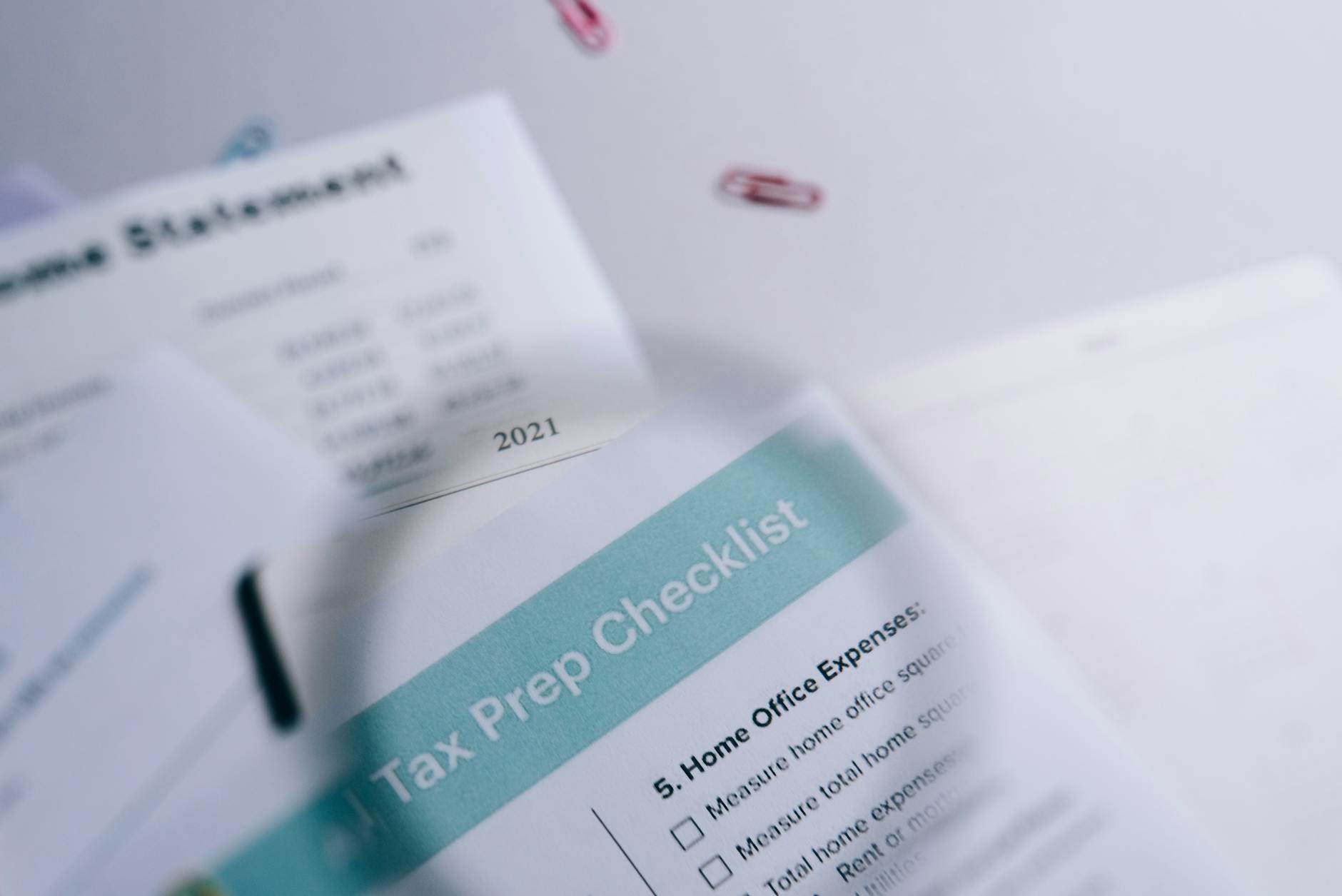
- Missing Deductions and Credits: Many taxpayers overlook deductions like the home office deduction or credits such as the Earned Income Tax Credit (EITC). Ensure you’re aware of what you qualify for!
- Failure to Sign Your Return: If you’re filing a paper return, don’t forget to sign it! An unsigned return is treated as if it was never filed.
Tax Preparation Tips to Avoid Mistakes
Now that you’re aware of the common mistakes, let’s discuss some actionable tax preparation tips to help you avoid these pitfalls:
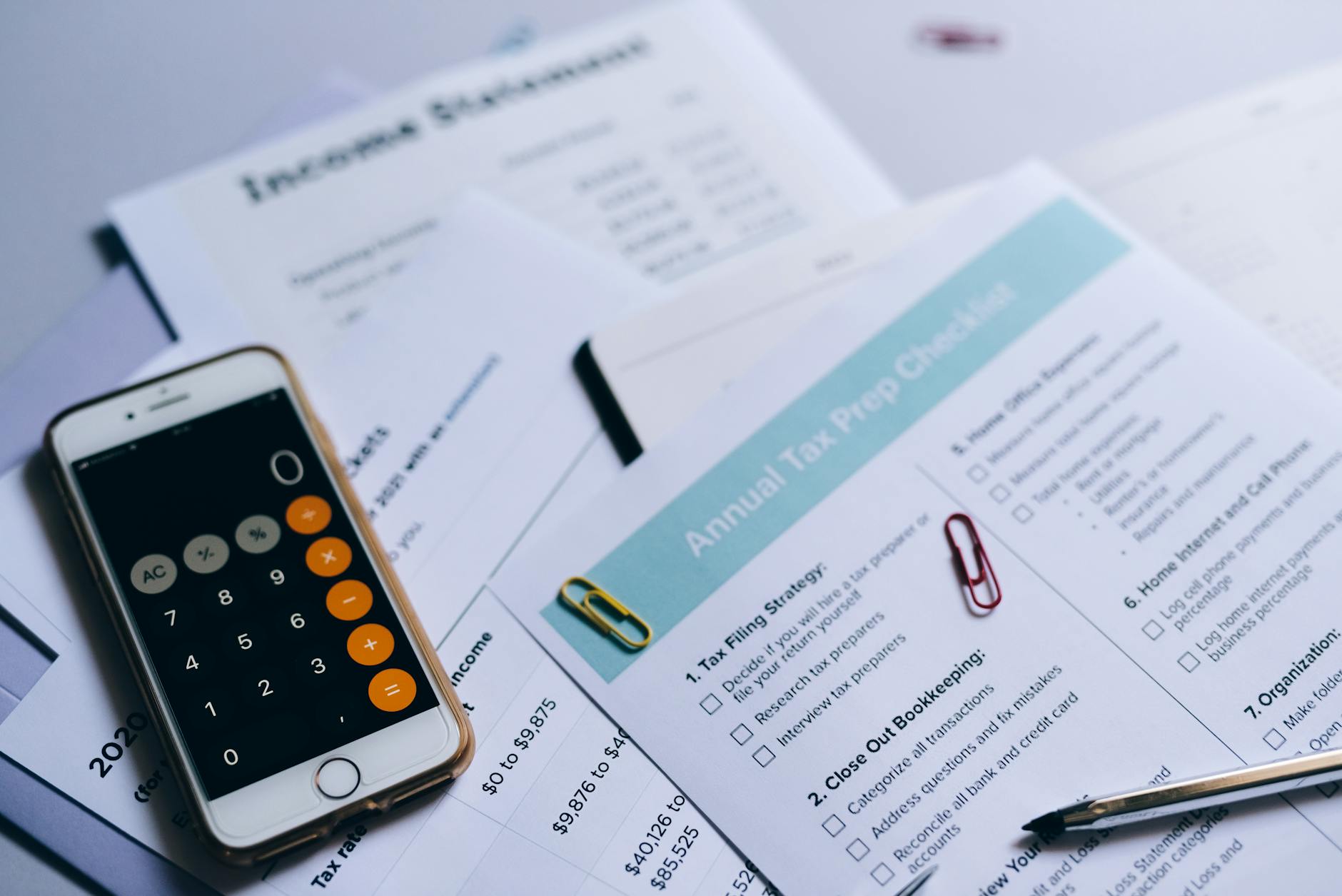
- Organize Your Documents: Keep all your tax-related documents, such as W-2s, 1099s, and receipts, organized. Use folders or digital tools to categorize your information.
- Use Reliable Tax Software: Consider investing in reputable tax preparation software that can guide you through the process and reduce errors.
- Consult a Tax Professional: If your tax situation is complex, don’t hesitate to reach out for help. At Libre Tax Service, we specialize in small business tax help and can provide personalized advice to ensure you’re on the right track.
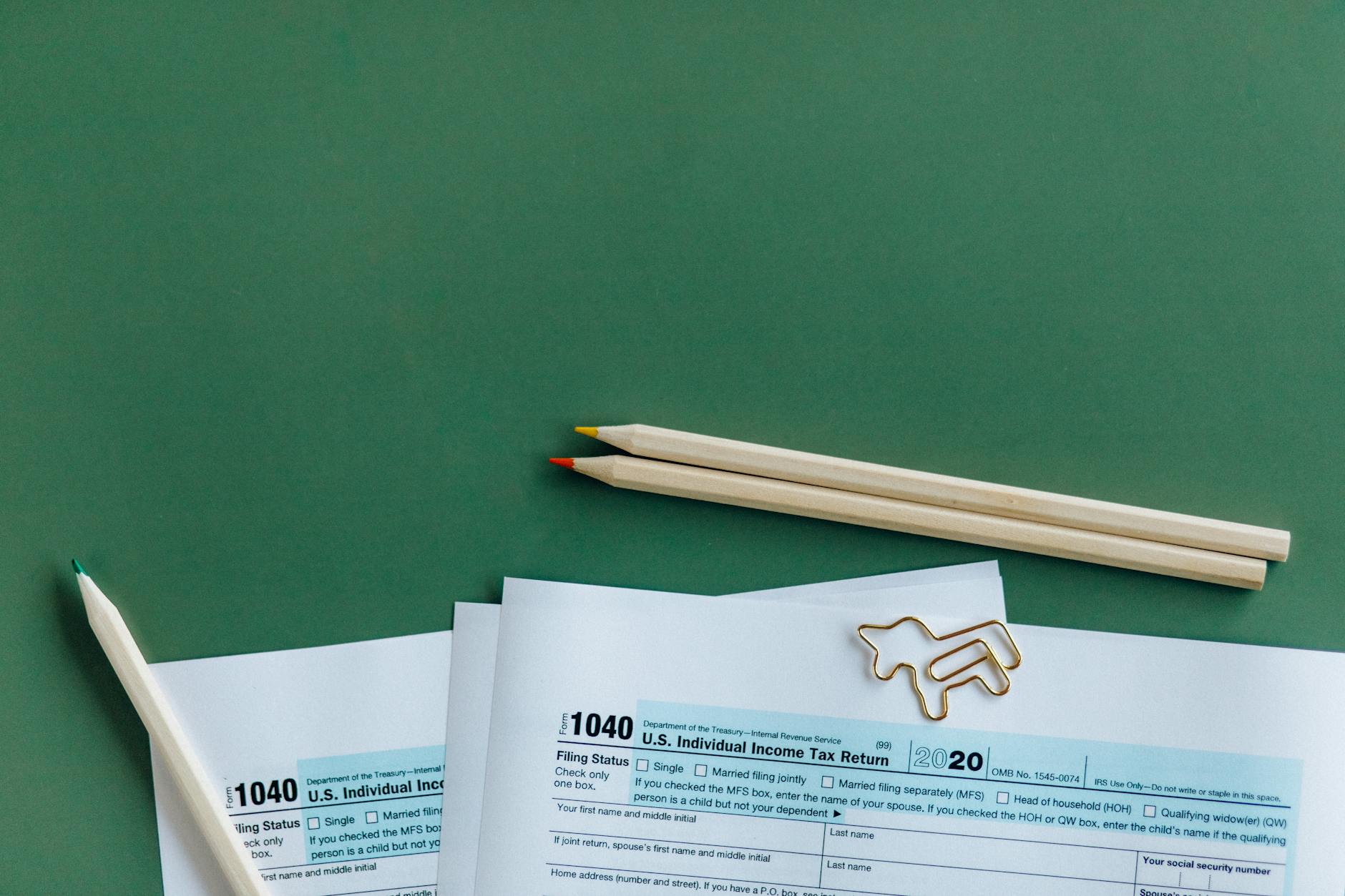
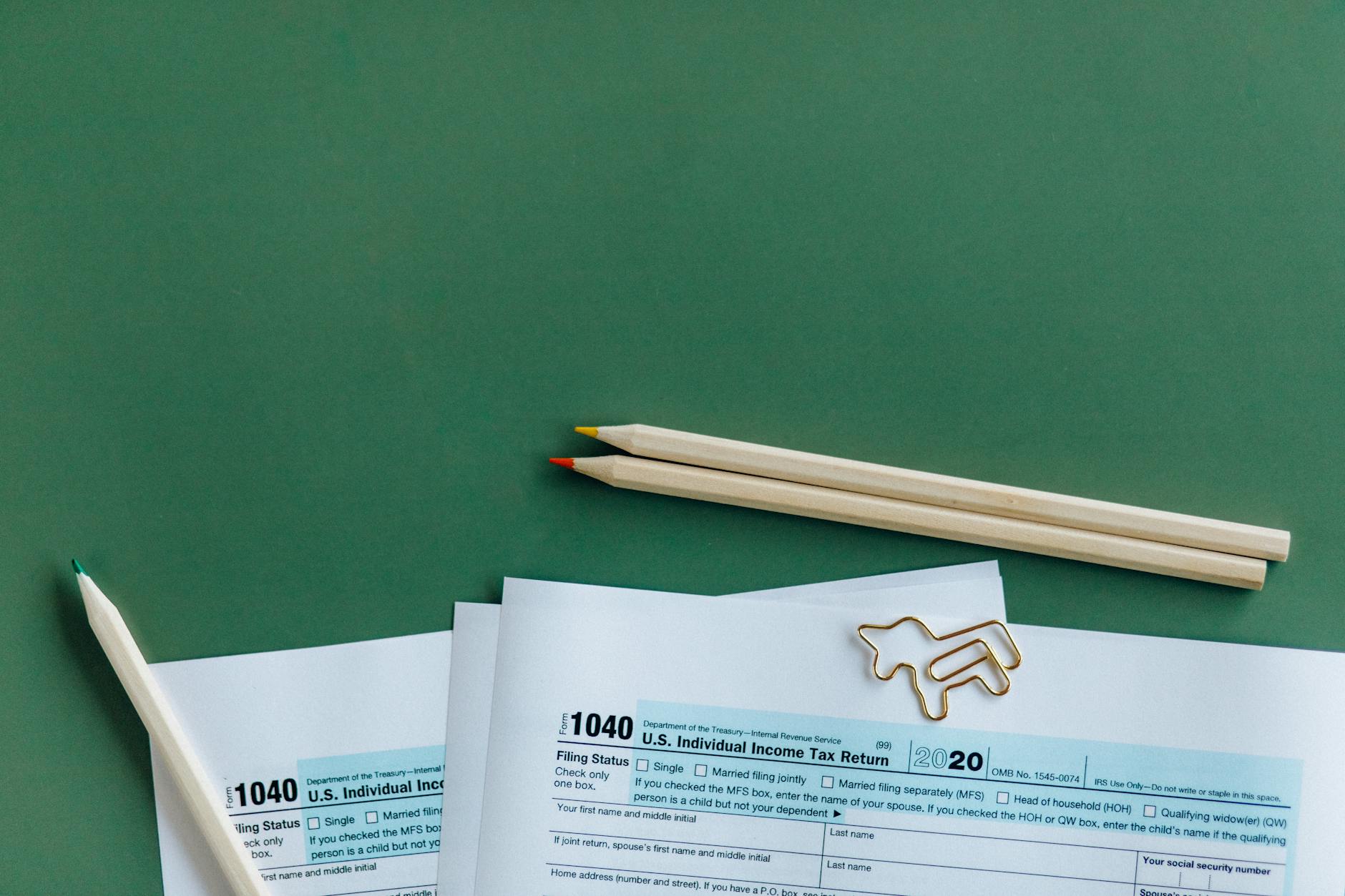
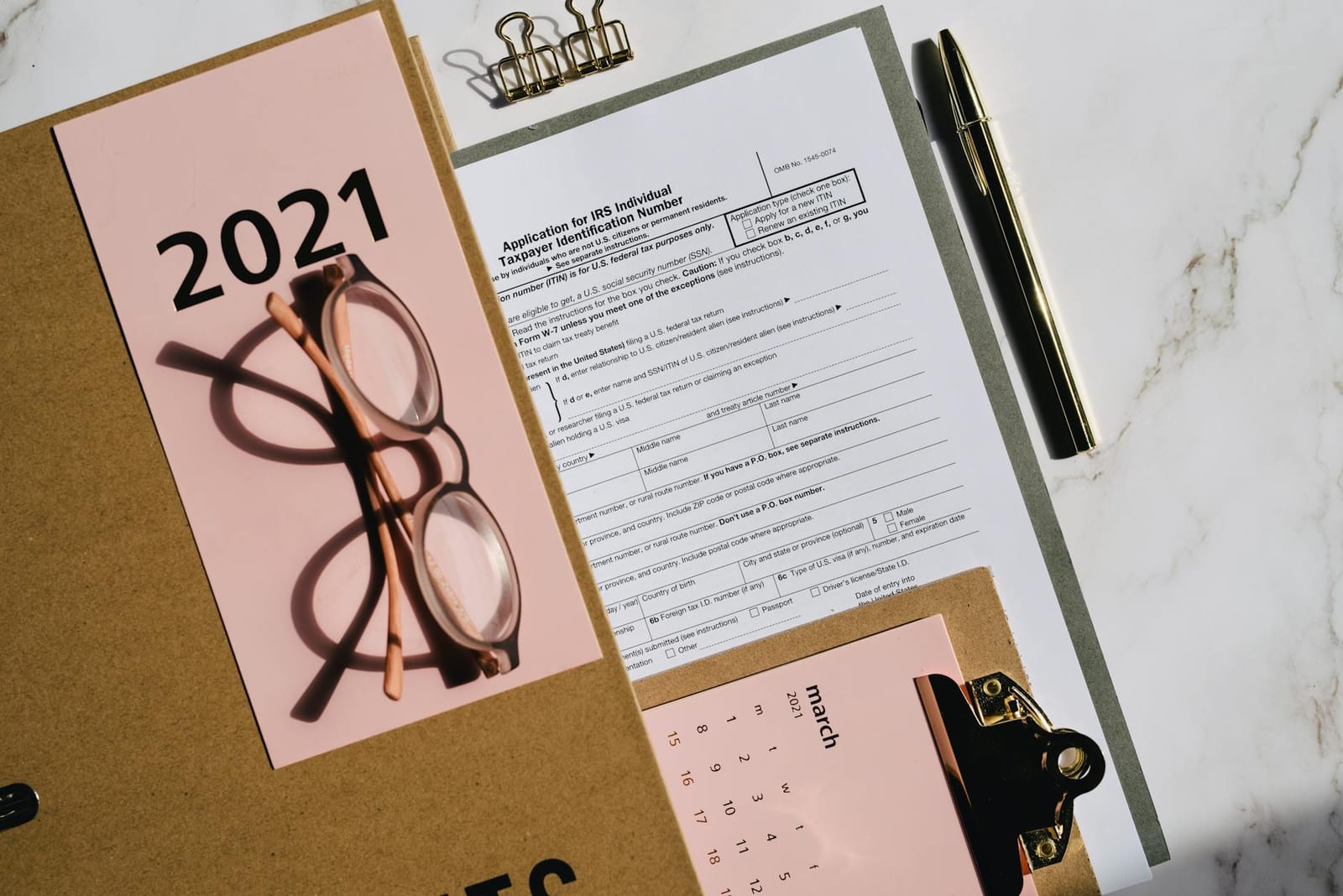
- Review IRS Forms: Familiarize yourself with relevant IRS forms. For instance, Form 1040 is the standard individual income tax return. Knowing which forms apply to your situation can prevent mistakes.
- File Early: Don’t wait until the last minute. Filing early allows you to review your return thoroughly and catch any mistakes before submission.
Avoiding IRS Penalties
IRS penalties can be steep, so it’s crucial to understand how to avoid them:
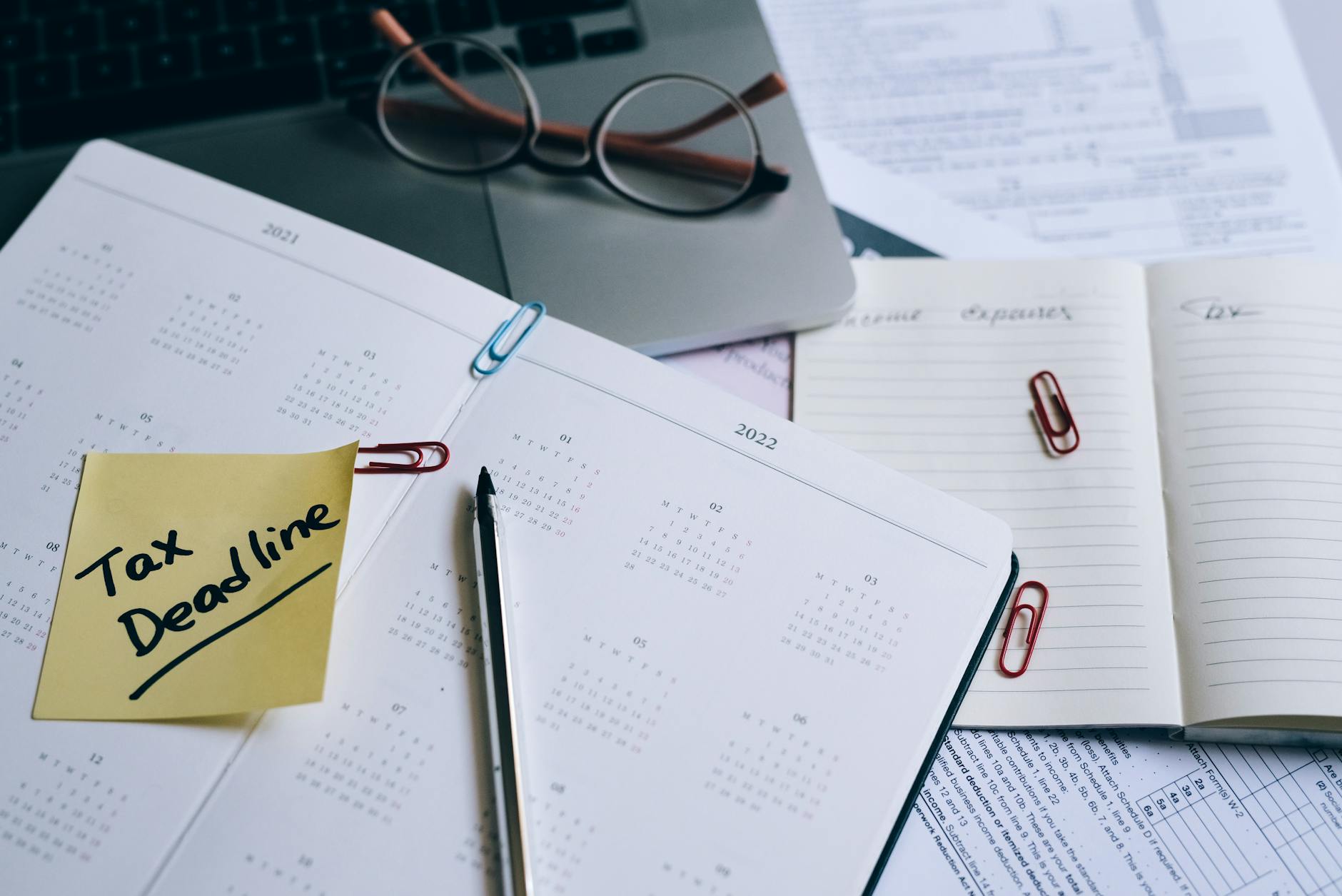
- File On Time: The deadline for filing your federal tax return is typically April 15. If you need more time, file for an extension using Form 4868, but remember that this does not extend the time to pay any taxes owed.
- Pay Your Taxes: If you owe taxes, pay as much as you can by the deadline to reduce penalties and interest. Consider setting up a payment plan with the IRS if needed.
- Correct Errors Promptly: If you discover mistakes after filing, file an amended return using Form 1040-X as soon as possible.

Tax Season Advice for Small Business Owners
Small business owners face unique challenges during tax season. Here are some tailored tips:
- Keep Accurate Records: Use accounting software to track income and expenses throughout the year. This will make tax preparation smoother and more accurate.
- Understand Business Deductions: Familiarize yourself with deductible expenses, such as business travel, equipment purchases, and home office deductions.
- Separate Business and Personal Finances: Maintain separate bank accounts for your business to simplify accounting and tax filing.
Key Takeaways
To summarize, here are key takeaways for avoiding common tax filing mistakes this season:
- Double-check personal information and filing status.
- Organize all necessary documents before you start filing.
- Consider using reliable tax software or consulting a tax professional.
- File early to allow time for thorough review.
- Stay informed about IRS deadlines and regulations.
Frequently Asked Questions
What should I do if I made an error on my tax return?
If you discover an error after filing, you should file an amended return using Form 1040-X as soon as possible to correct the mistake.
Can I deduct home office expenses?
Yes, if you use part of your home regularly and exclusively for business, you can qualify for the home office deduction. Keep detailed records of your expenses.
What is the deadline for filing taxes in 2024?
The deadline for filing federal tax returns is typically April 15. However, if this date falls on a weekend or holiday, the deadline may shift to the next business day.
Disclaimer: This content is for informational purposes only and should not be considered tax advice. For personalized guidance, please consult a tax professional.
Need expert tax help?
Cerritos-based Enrolled Agents helping individuals and businesses nationwide with filing, IRS issues, and bookkeeping.