Dont Miss Out: How to Handle Last-Minute Tax Adjustments
Discover essential tips for making last-minute tax adjustments to maximize your refunds and avoid penalties this tax season with expert guidance.
Introduction
As tax season approaches, many individuals and small business owners find themselves scrambling to finalize their returns. Whether you’ve overlooked a crucial deduction or need to adjust your income, handling last-minute tax adjustments can be overwhelming. In this post, we will guide you through practical steps to ensure you don’t miss out on potential refunds and avoid costly penalties. You’ll learn how to navigate adjustments effectively, understand important deadlines, and apply essential tax filing tips tailored for both individuals and small business owners.

Understanding Last-Minute Tax Adjustments
Last-minute tax adjustments refer to any changes made to your tax return shortly before the filing deadline. This could involve correcting errors, updating income information, or taking advantage of last-minute deductions. Here are some common reasons why adjustments may be necessary:
- New Tax Deductions: The IRS frequently updates tax laws, and new deductions may become available. For instance, if you’re a small business owner, the Qualified Business Income Deduction (QBI) could significantly impact your tax return.
- Overlooked Income: If you received additional income from freelance work or investments, it’s essential to report this to avoid penalties.
- Errors from Previous Filings: Mistakes in your previous returns can lead to audits or penalties, making it crucial to correct them before the deadline.

Key Deadlines to Remember
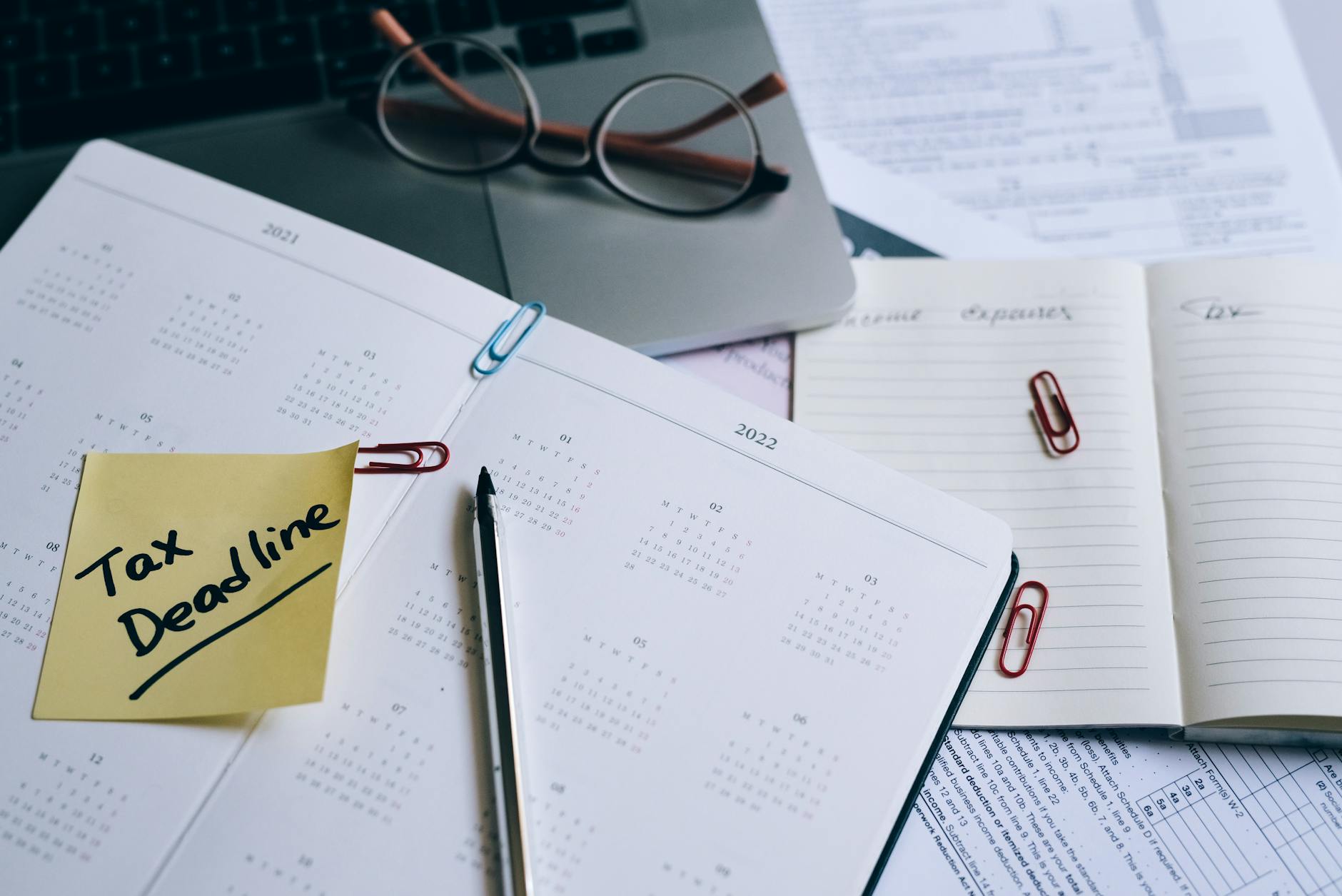
Knowing key deadlines is vital for making last-minute tax adjustments. The traditional deadline for filing your federal tax return is April 15, but you may qualify for an extension until October 15 if you file Form 4868. However, even with an extension, any taxes owed must be paid by the original deadline to avoid penalties and interest.
Additionally, consider the following deadlines:
- January 31: Deadline for employers to send out Form W-2 and for businesses to issue Form 1099.
- March 15: Deadline for partnerships and S corporations to file their returns.
- April 15: Deadline for individual tax returns and C corporations.

Practical Steps for Making Adjustments
Here are actionable steps to make last-minute tax adjustments effectively:
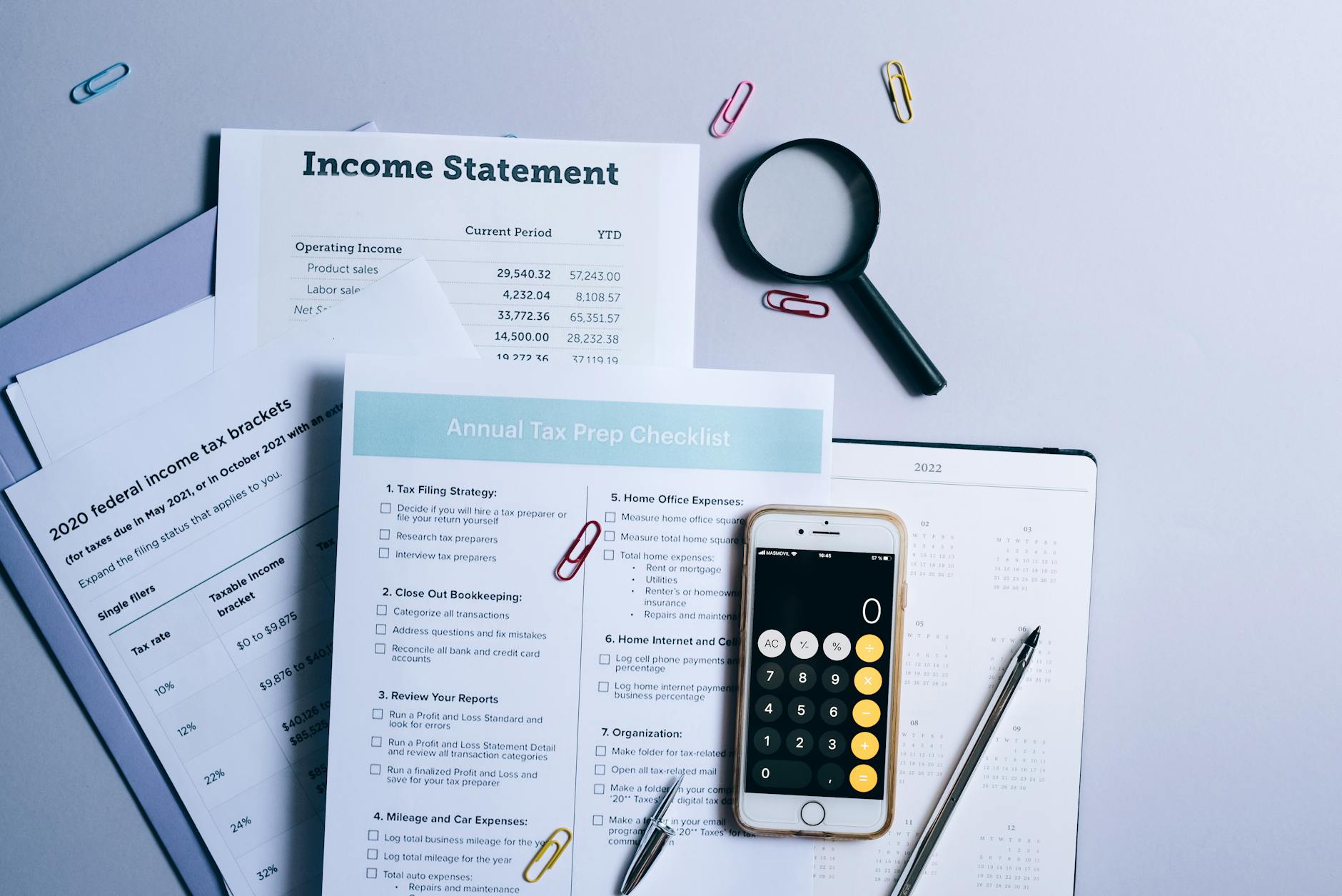
- Review Your Documents: Gather all relevant tax documents, including W-2s, 1099s, and receipts. A thorough review can help identify any missing information.
- Utilize IRS Resources: The IRS website provides a wealth of information, including guidance on deductions and credits. Forms such as Schedule C for business income and Schedule A for itemized deductions can be beneficial.
- Consult with a Tax Professional: If you’re unsure about your adjustments, consider reaching out to a tax professional. An Enrolled Agent can provide personalized advice tailored to your unique situation.

Maximizing Your Refunds
To maximize your refunds during last-minute adjustments, keep these tips in mind:
- Consider All Deductions: Make sure to claim all eligible deductions, such as charitable contributions and business expenses.
- Review Tax Credits: Tax credits directly reduce your tax bill. Look into credits like the Earned Income Tax Credit (EITC) and Child Tax Credit.
- Adjust Withholdings: If you find that you’re consistently getting large refunds, it may be worthwhile to adjust your withholdings for the upcoming year to keep more money in your pocket throughout the year.
Common Mistakes to Avoid
When making last-minute tax adjustments, avoid these common pitfalls:
- Rushing the Process: Take your time to ensure all information is accurate. Rushing can lead to mistakes that could cost you.
- Neglecting State Taxes: Don’t forget about your state tax obligations. Each state has its own rules and deadlines, including California.
- Ignoring Documentation: Always keep records of your adjustments and supporting documents in case of an audit.
Frequently Asked Questions
What forms do I need for last-minute tax adjustments?
Common forms include Form 1040 for individuals, Schedule C for business income, and Form 4868 for requesting an extension.
Can I file my tax return late without penalties?
You can file late if you apply for an extension using Form 4868, but any taxes owed must be paid by the original deadline to avoid penalties.
What should I do if I discover an error after filing?
If you find an error after filing, you can amend your return using Form 1040-X. This form allows you to correct mistakes and claim additional refunds.
Disclaimer: This blog post is for informational purposes only and does not constitute professional tax advice. For personalized assistance, please consult a tax professional.
Need expert tax help?
Cerritos-based Enrolled Agents helping individuals and businesses nationwide with filing, IRS issues, and bookkeeping.