Essential Checklist for Tax Season: Avoid Last-Minute Stress
Prepare for tax season with our essential checklist to avoid last-minute stress. Get ready for personal tax filing and small business prep today!
Introduction: Navigating Tax Season with Ease
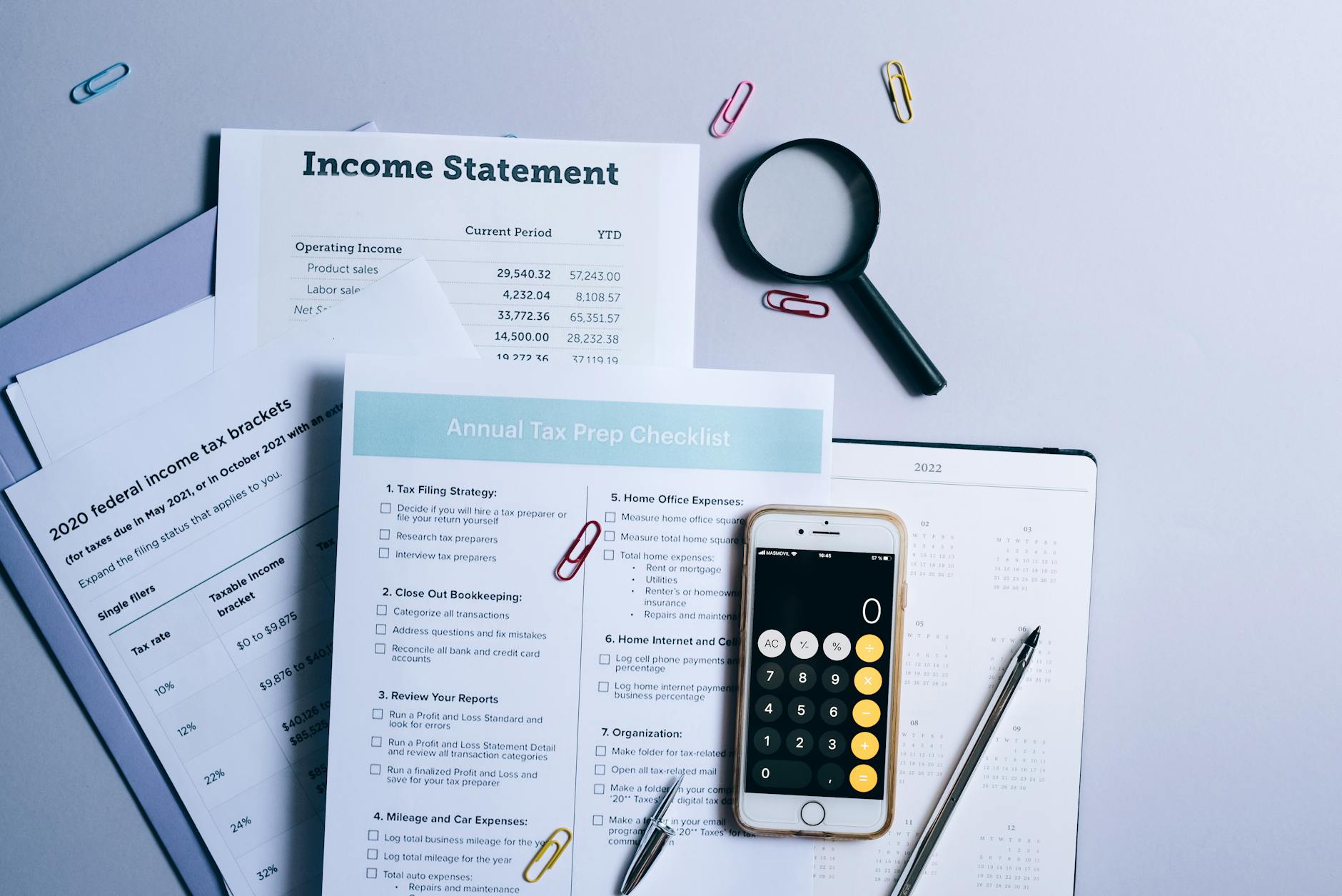
Tax season can feel overwhelming, but it doesn't have to be! Whether you're an individual preparing for personal tax filing or a small business owner getting ready for tax season, having a solid plan can make all the difference. In this blog post, we’ll provide you with an essential tax season checklist, helpful tax filing tips, and last-minute tax help to ensure a smooth filing experience.
By the end of this post, you’ll be armed with practical advice and resources to tackle your taxes confidently, avoiding unnecessary stress and potential pitfalls. Ready to dive in?
Get Organized: Gather Your Documents
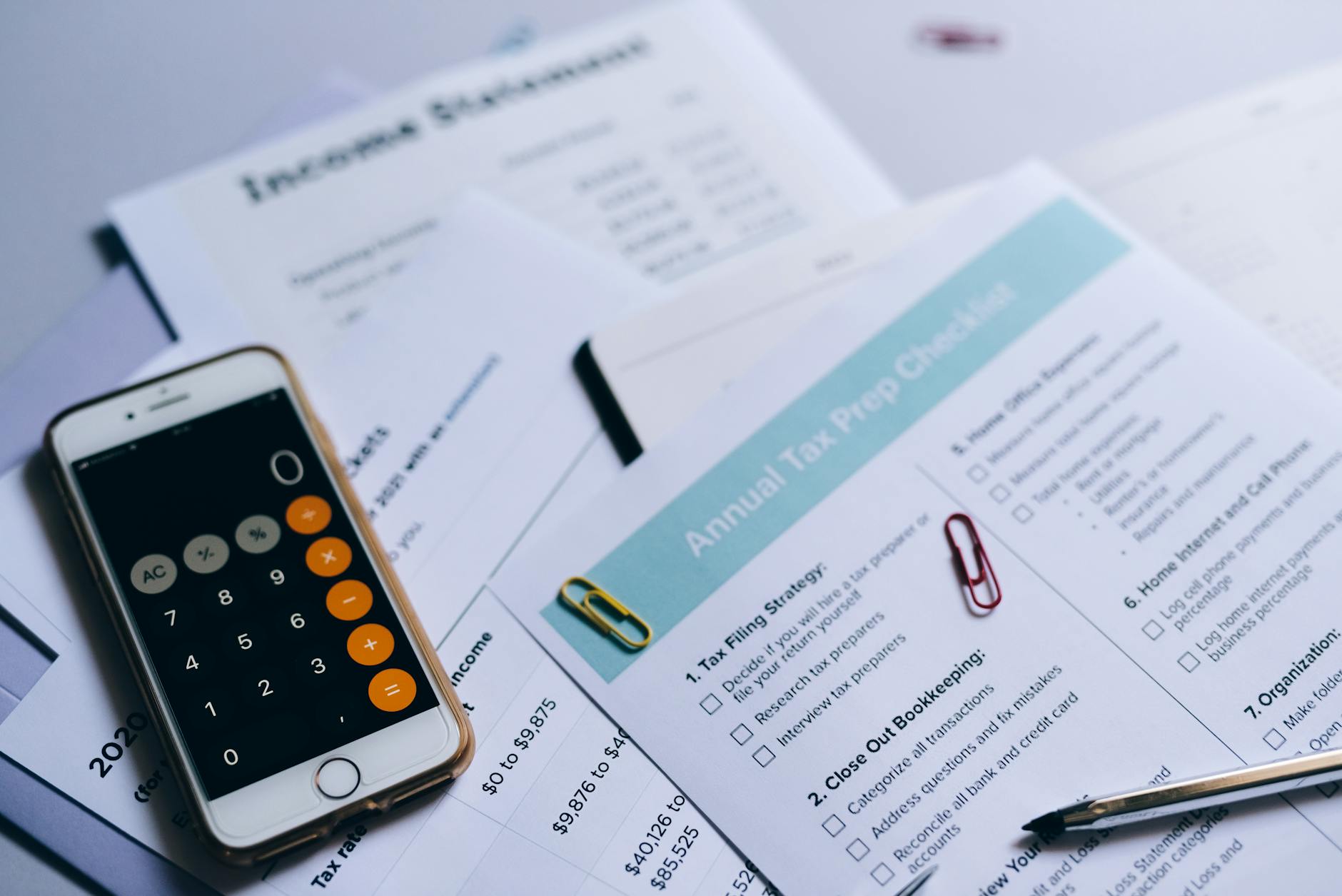
The first step in your tax preparation journey is organization. Gathering all necessary documents well in advance will save you from scrambling at the last minute. Here’s a list of essential documents you’ll need:
- W-2 Forms: If you’re an employee, collect all your W-2 forms from each employer.
- 1099 Forms: Freelancers and contractors should gather any 1099 forms received for services rendered.
- Receipts: Keep receipts for deductible expenses, such as business-related costs, medical bills, and charitable donations.
- Bank Statements: Review bank statements to capture any deductible expenses not covered by receipts.
- Previous Tax Returns: Having your last year’s return can help you spot trends and necessary forms.
By ensuring you have these documents in hand, you set yourself up for a more straightforward filing process.
Understand Your Tax Obligations: Know the Forms You Need
Different situations require different tax forms. Understanding which forms you need is crucial for both personal tax filing and small business tax preparation. Here are some common forms:
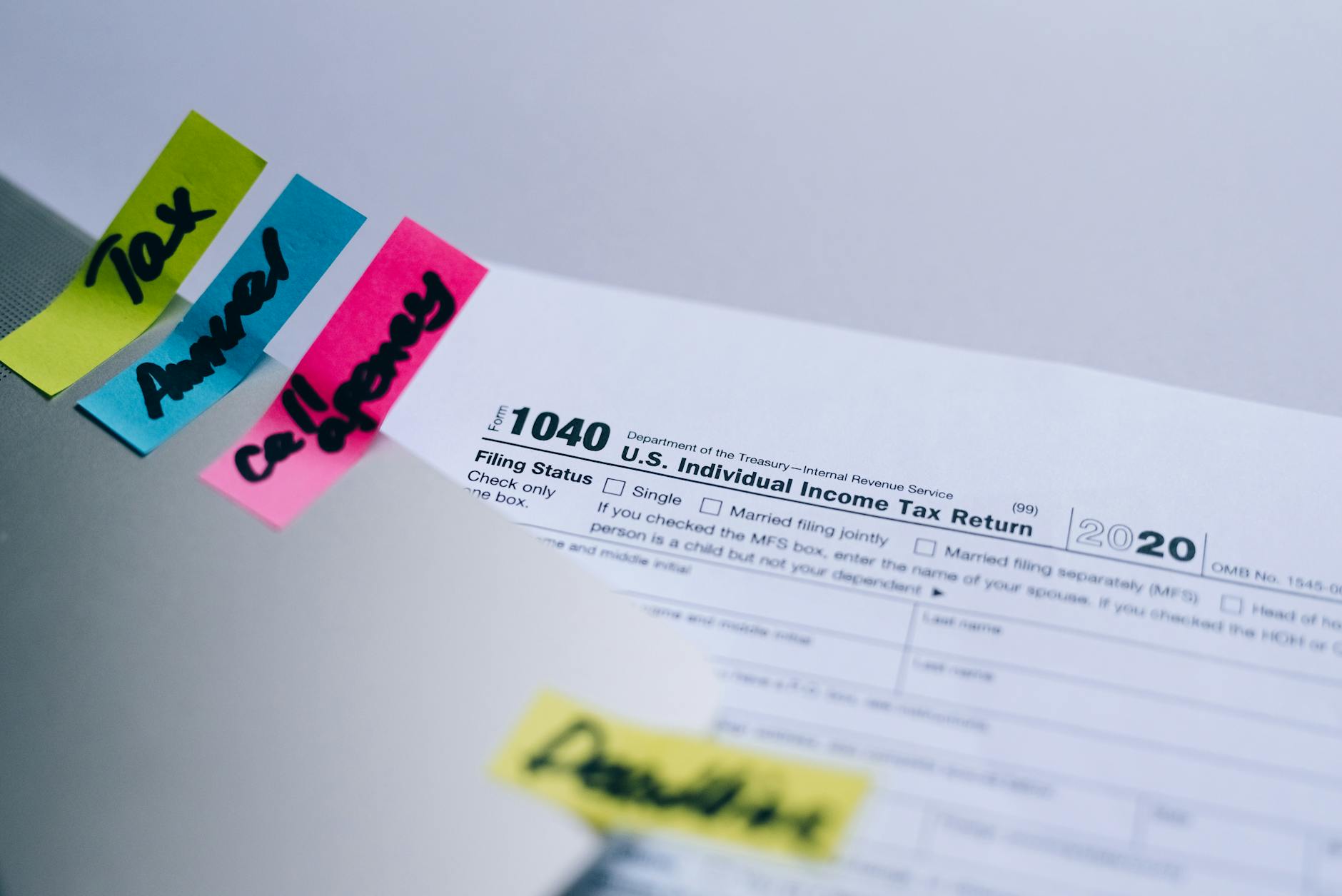
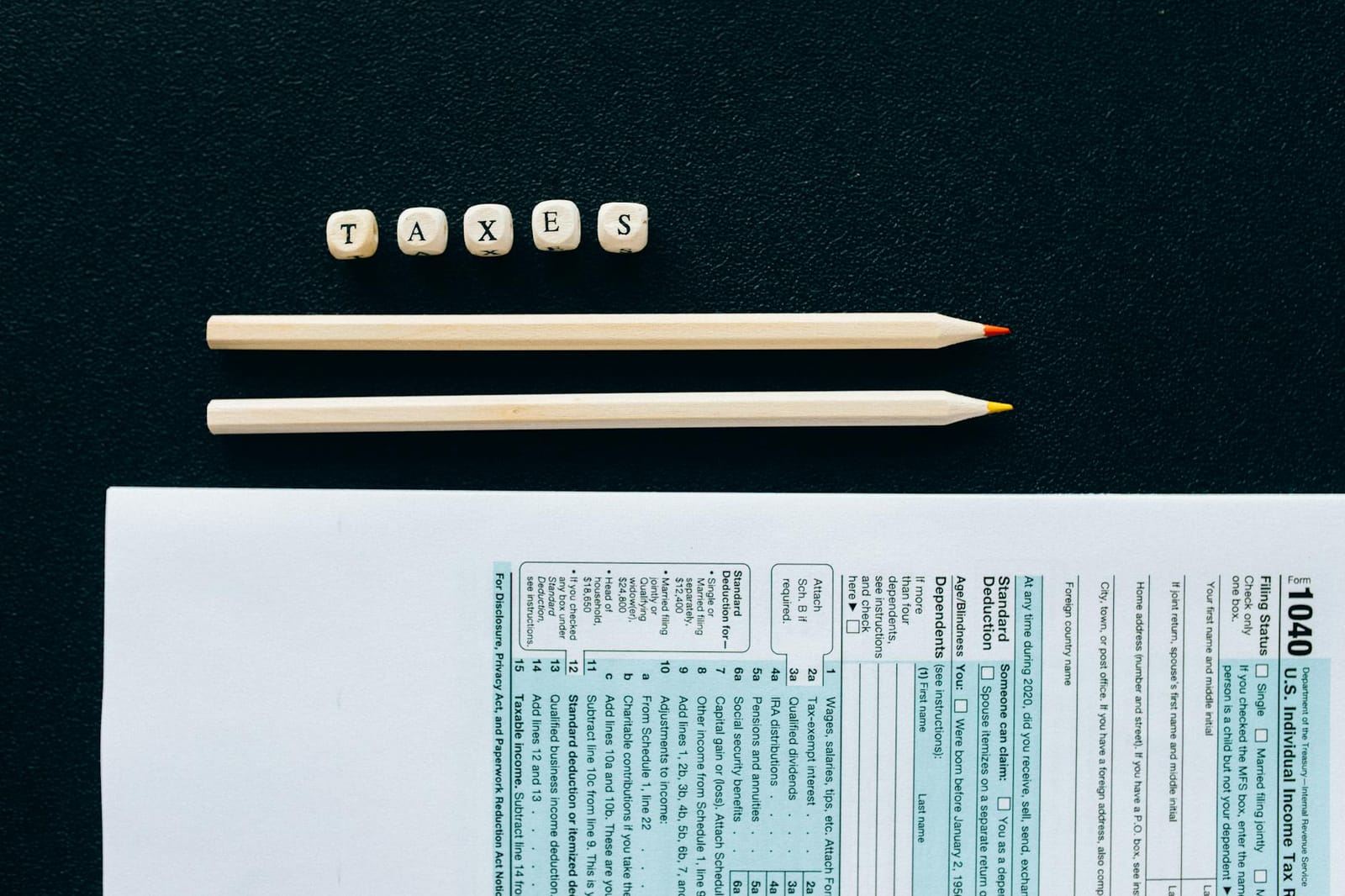
- Form 1040: This is the standard individual income tax return form.
- Schedule C: If you're self-employed, you'll need this to report income and expenses.
- Form 1065: Partnerships must file this form for reporting income, deductions, and credits.
- Form 941: Employers use this to report income taxes, social security tax, or Medicare tax withheld.
Check the IRS website for any updates to form requirements and ensure you are using the correct versions. Missing a form can delay your refund or result in penalties.
Know the Important Deadlines
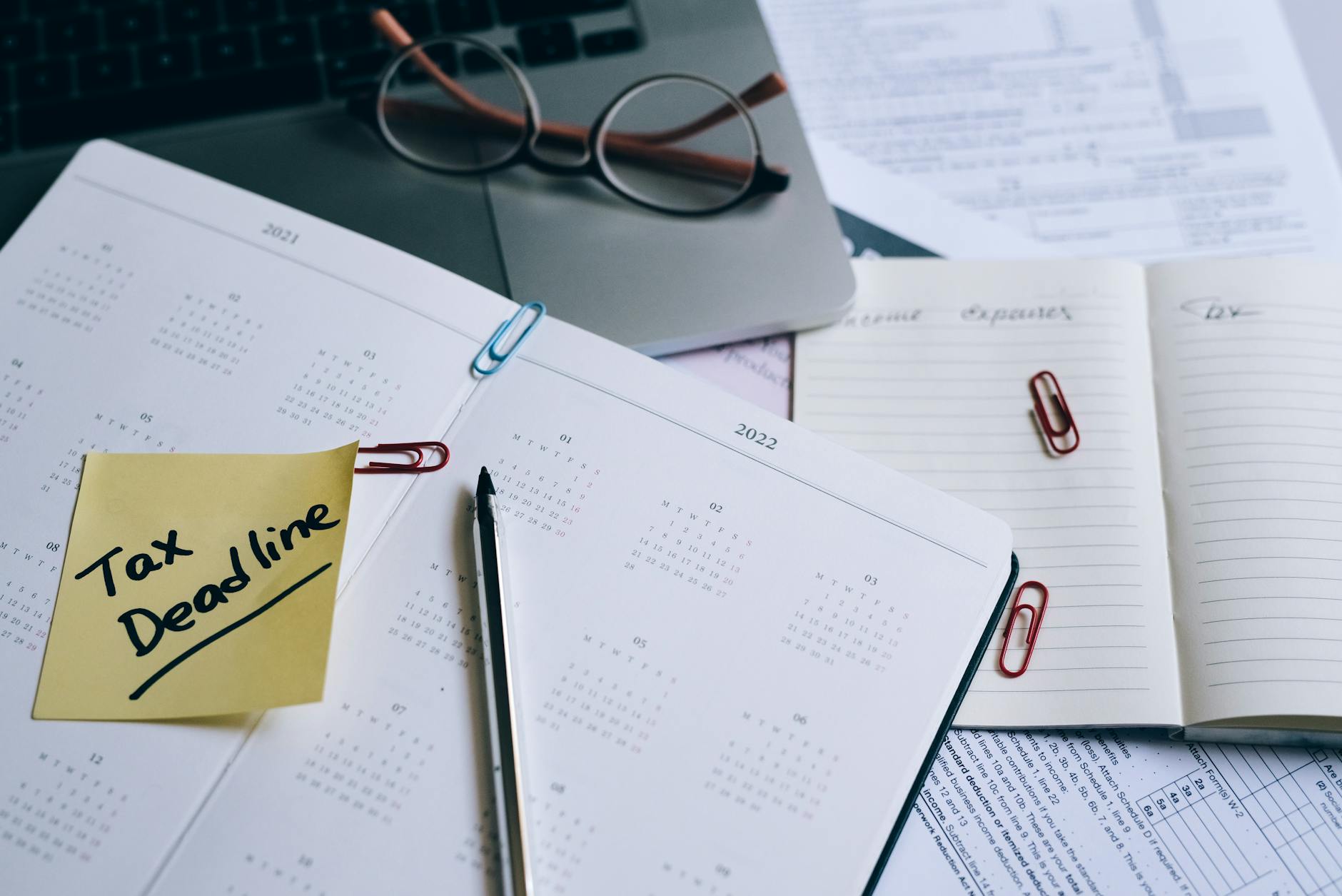
Keeping track of tax deadlines is essential for avoiding penalties and ensuring timely submissions. Here are some key dates for the 2023 tax season:
- April 15, 2024: Individual tax returns (Form 1040) are due on this date.
- March 15, 2024: Partnerships and S Corporations must file their returns.
- October 15, 2024: If you filed for an extension, this is when your final return is due.
Mark these dates on your calendar, and consider setting reminders a few weeks prior to ensure you’re prepared.
Consider Tax Deductions and Credits
Maximizing your tax deductions and credits can significantly reduce your tax bill. Here are some common deductions and credits to consider:
- Standard Deduction: For 2023, the standard deduction is $13,850 for single filers and $27,700 for married couples filing jointly.
- Charitable Contributions: Donations to qualified charities can be deducted if you itemize your deductions.
- Business Expenses: Small business owners can deduct costs like office supplies, travel expenses, and even home office deductions.
Make sure to keep thorough records of your deductions. If you're unsure about what qualifies, consult the IRS guidelines or seek professional advice.
Last-Minute Tax Help: Don’t Go It Alone
If tax season has caught up with you and you’re feeling overwhelmed, remember that you're not alone! Seeking last-minute tax help can be a smart move. Here are a few options:
- Consult a Tax Professional: Enrolled agents and tax professionals can help clarify complex tax situations and ensure you’re compliant with tax laws.
- Online Resources: Utilize the IRS website for forms, instructions, and FAQs that can assist you in real-time.
- Tax Software: If you prefer DIY, tax software can guide you through the filing process, ensuring you don’t miss any deductions.
Don’t hesitate to reach out for help. It can save you time and reduce the stress of tax season.
Frequently Asked Questions
What should I do if I can't pay my taxes on time?
If you can't pay your taxes on time, consider filing for an extension and look into IRS payment plans to avoid penalties.
Are there penalties for filing my taxes late?
Yes, the IRS imposes penalties for late filings, typically 5% of the unpaid taxes for each month your return is late.
Can I deduct my home office expenses?
Yes, if you use a portion of your home exclusively for business, you can deduct related expenses as part of your tax return.
What is the difference between a tax deduction and a tax credit?
A tax deduction reduces your taxable income, while a tax credit directly reduces the amount of tax you owe.
Disclaimer: This content is for informational purposes only and should not be considered tax advice. Please consult a tax professional for personalized assistance.
Need expert tax help?
Cerritos-based Enrolled Agents helping individuals and businesses nationwide with filing, IRS issues, and bookkeeping.