Essential Tax Filing Tips to Avoid Stress This Season
Learn practical tax filing tips to alleviate stress and streamline your preparation process this tax season. Get expert advice and IRS filing help.
Introduction: Embracing the Tax Season with Confidence
Tax season is upon us, and for many individuals and small business owners, it can feel like a storm cloud looming overhead. The dread of paperwork, deadlines, and the fear of making mistakes can lead to significant tax anxiety. But it doesn't have to be that way! In this blog post, we're going to explore essential tax filing tips that will not only help you avoid stress but also empower you to approach your taxes with confidence. You'll learn practical strategies for effective tax preparation, gain insights into IRS filing help, and discover ways to alleviate tax stress relief.
Understanding Tax Filing Deadlines
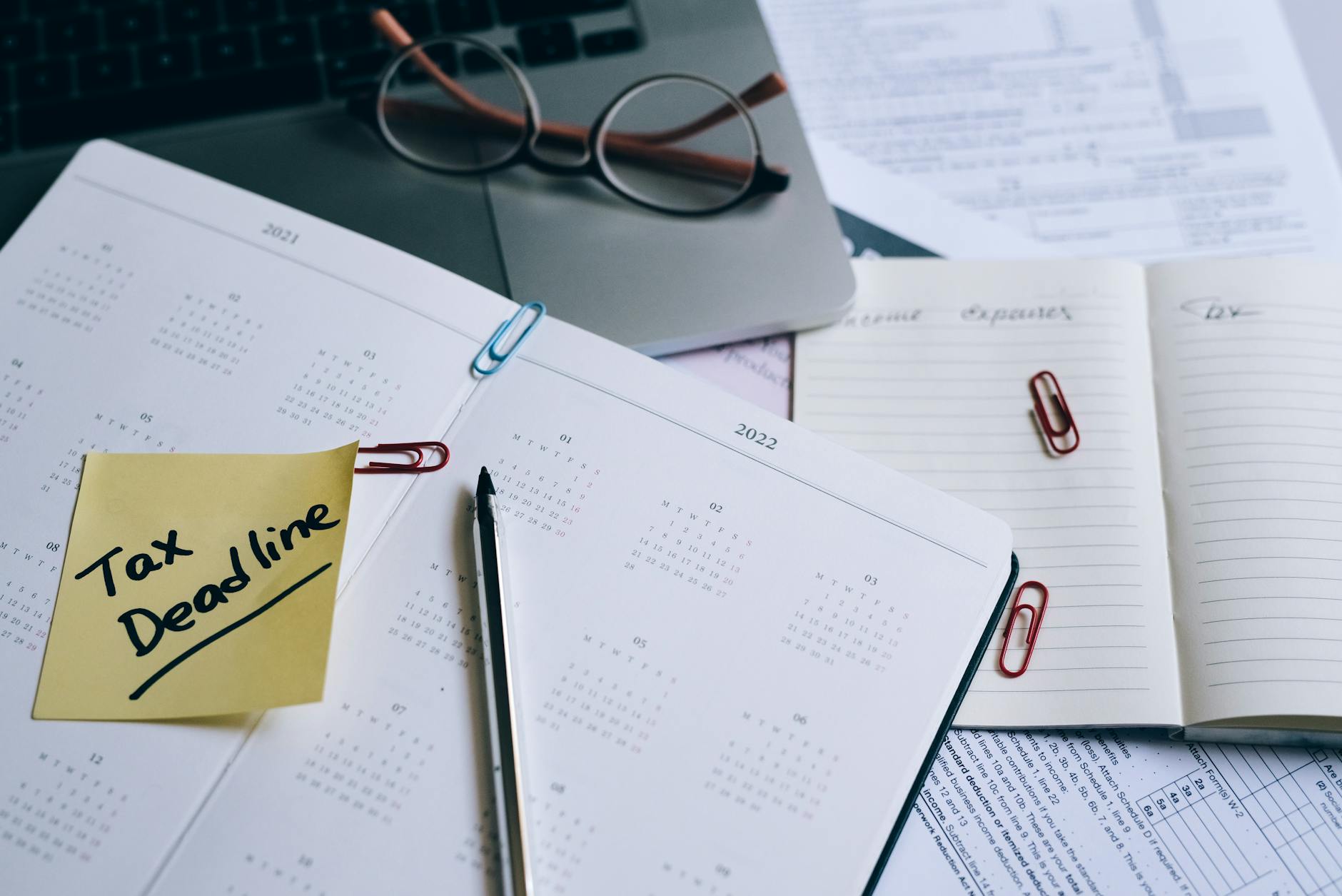
One of the primary sources of tax stress is the looming deadlines. Knowing the key dates can help you manage your time more effectively. Here are some essential deadlines to keep in mind:
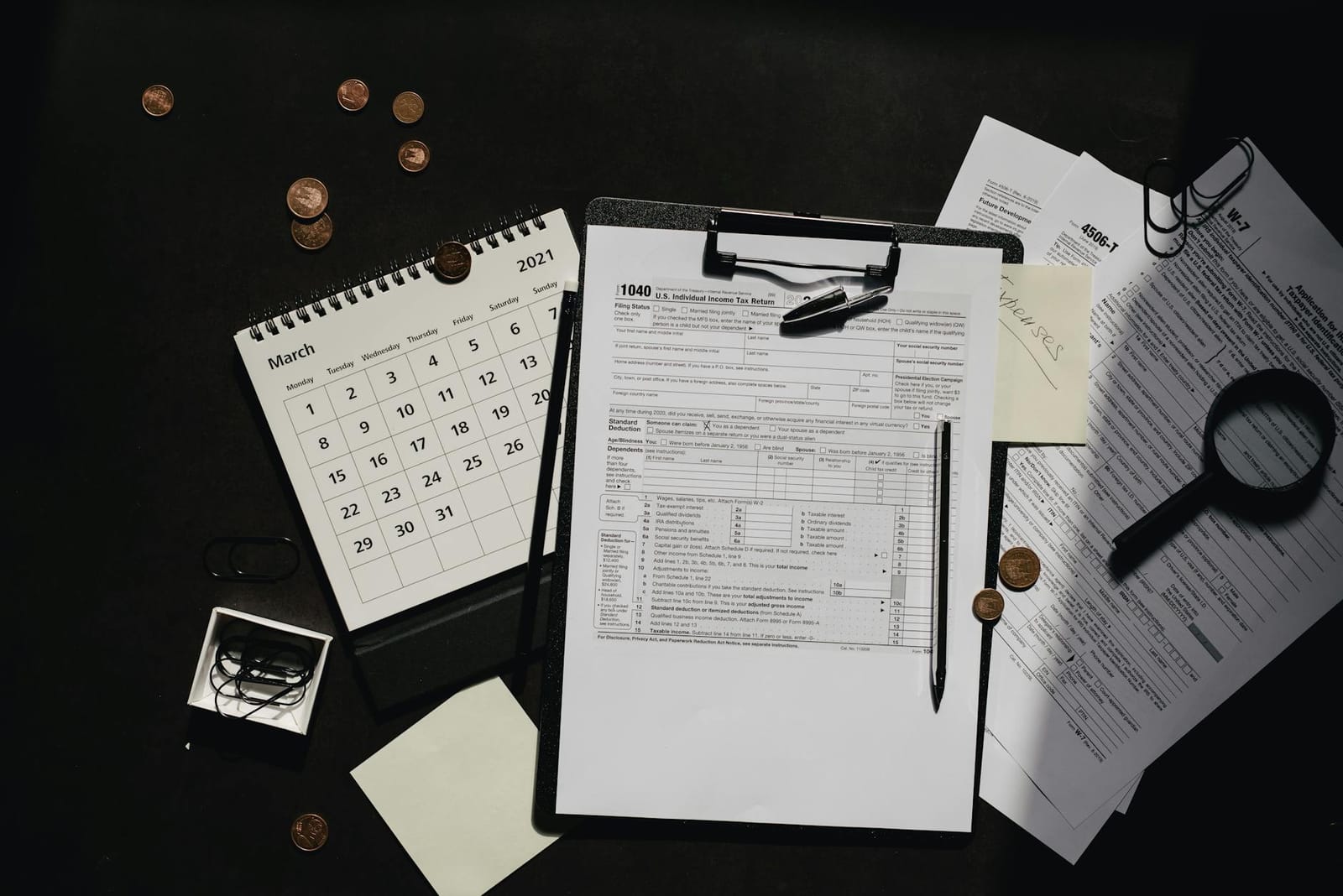
- April 15: This is the typical deadline for individual income tax returns (Form 1040) unless it falls on a weekend or holiday.
- March 15: For S Corporations and partnerships, this is the deadline to file Form 1120S and Form 1065, respectively.
- October 15: If you file for an extension, this is the final deadline for your tax return.
Mark these dates on your calendar to avoid last-minute panic, and consider using a tax calendar to keep track of important milestones throughout the year.
Gathering Your Documents Early
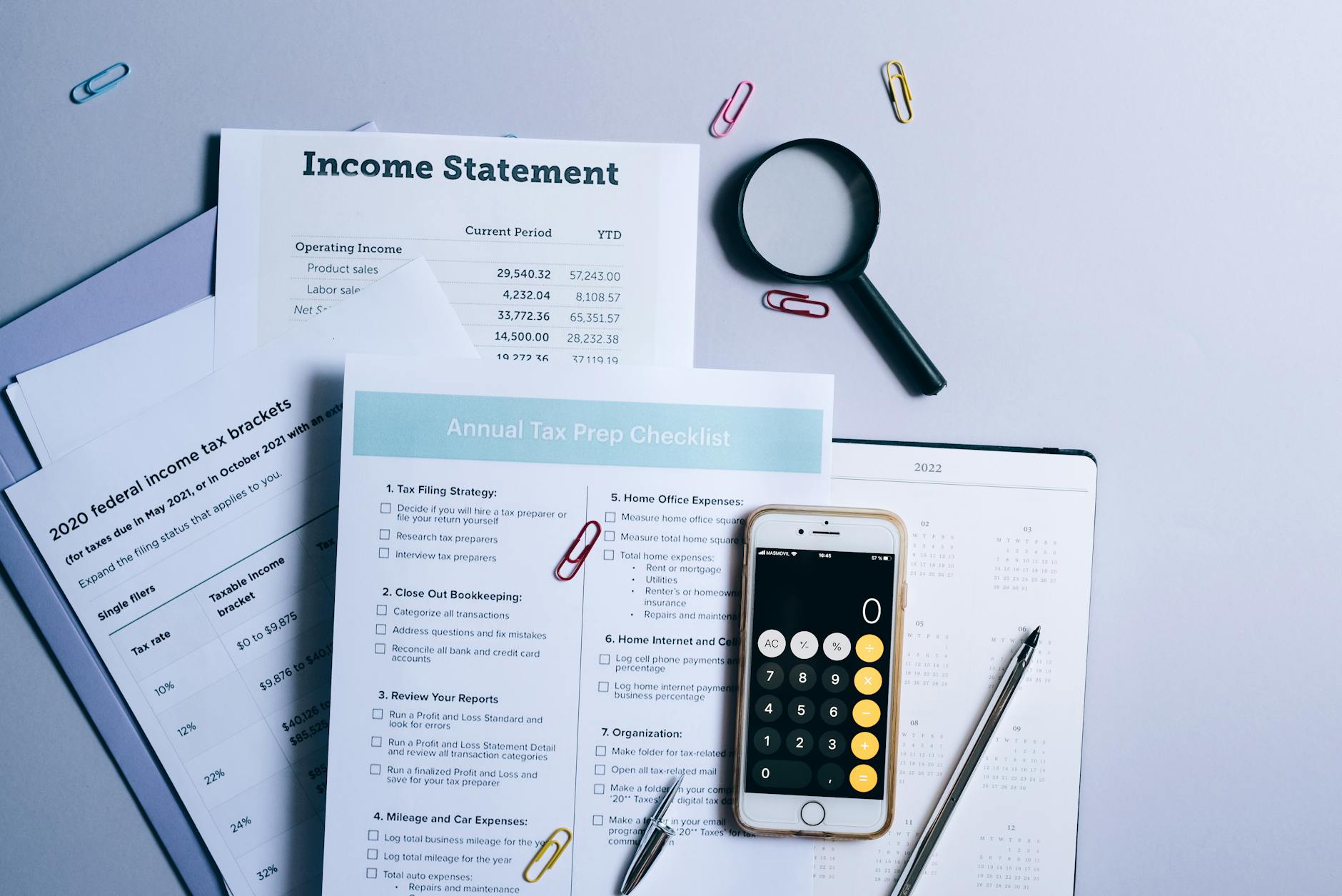
Another tip to combat tax anxiety is to gather all necessary documents well in advance. This includes:
- W-2 Forms: If you are an employee, your employer should provide this by the end of January.
- 1099 Forms: If you're a freelancer or independent contractor, you should receive these forms by mid-February.
- Receipts: Keep track of all deductible expenses, whether they are related to your business or personal deductions.
- Previous Year’s Tax Return: This can serve as a helpful reference point.
By organizing your documents early, you can prevent the stress of a last-minute scramble to find everything you need.

Choosing the Right Method for Filing
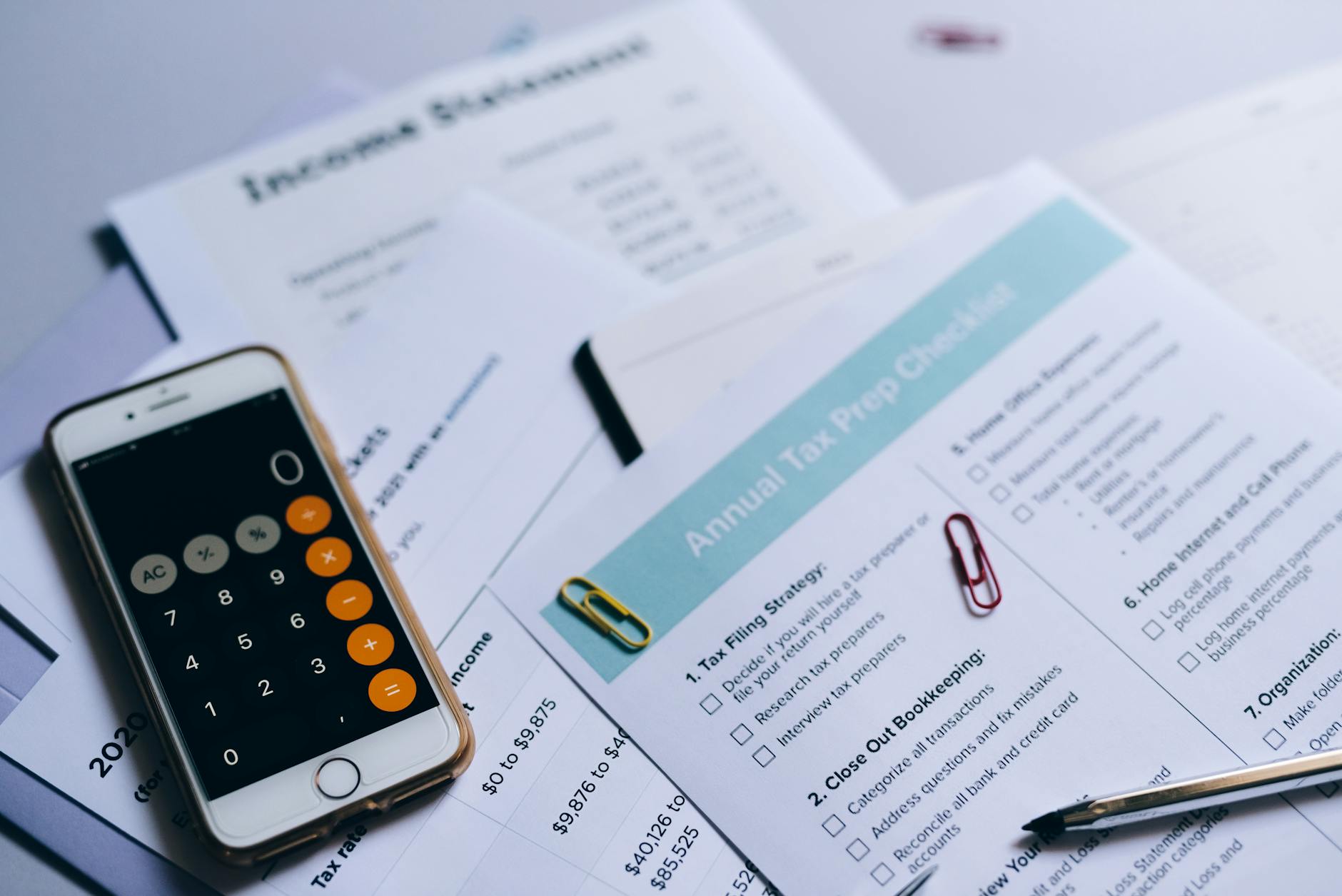
Deciding how to file your taxes is crucial. You have several options:
- DIY Software: Many individuals find tax software helpful for straightforward returns. Look for user-friendly options that guide you through the process.
- Professional Tax Preparation: If your tax situation is complex, consider hiring a professional like an Enrolled Agent. They can provide personalized advice and help you navigate IRS rules.
- IRS Free File: If your income is under $73,000, you may qualify for free online filing through the IRS Free File program.
Evaluating your needs will help you select the best method, reducing the likelihood of errors and stress.
Take Advantage of Deductions and Credits
Many taxpayers overlook valuable deductions and credits. Here are a few to consider:
- Standard Deduction: For 2023, the standard deduction is $13,850 for single filers and $27,700 for married couples filing jointly.
- Business Expenses: If you're a small business owner, be sure to claim all qualifying expenses, including home office expenses, supplies, and travel costs.
- Education Credits: The American Opportunity Credit and Lifetime Learning Credit can significantly reduce your tax burden if you or your dependents are pursuing education.
Research and understand these opportunities to maximize your refund or minimize your tax liability, giving you further peace of mind.
Planning for the Future
Once you've filed your taxes, don’t forget about tax planning for the next year. Here are some steps you can take:
- Evaluate Your Withholding: Check your W-4 with your employer to ensure the right amount is being withheld from your paycheck.
- Set Up a Tax Savings Account: Consider setting aside money in a separate savings account specifically for tax payments.
- Stay Informed: Tax laws change frequently. Keep abreast of new laws by following trusted resources or consulting with a tax professional.
Proactive planning can help mitigate stress in future tax seasons, ensuring you’re always prepared.
Frequently Asked Questions
What is the deadline to file my taxes?
The typical deadline is April 15 unless it falls on a weekend or holiday. For 2023, the deadline is April 18.
How can I find out if I qualify for the IRS Free File program?
You can check the eligibility criteria on the IRS website. Generally, individuals with an income under $73,000 can qualify.
What should I do if I can't pay my taxes on time?
If you cannot pay your taxes by the deadline, file your return anyway to avoid penalties and consider setting up a payment plan with the IRS.
Disclaimer: This content is for informational purposes only and should not be considered tax advice. Please consult a tax professional for specific guidance related to your situation.
Need expert tax help?
Cerritos-based Enrolled Agents helping individuals and businesses nationwide with filing, IRS issues, and bookkeeping.