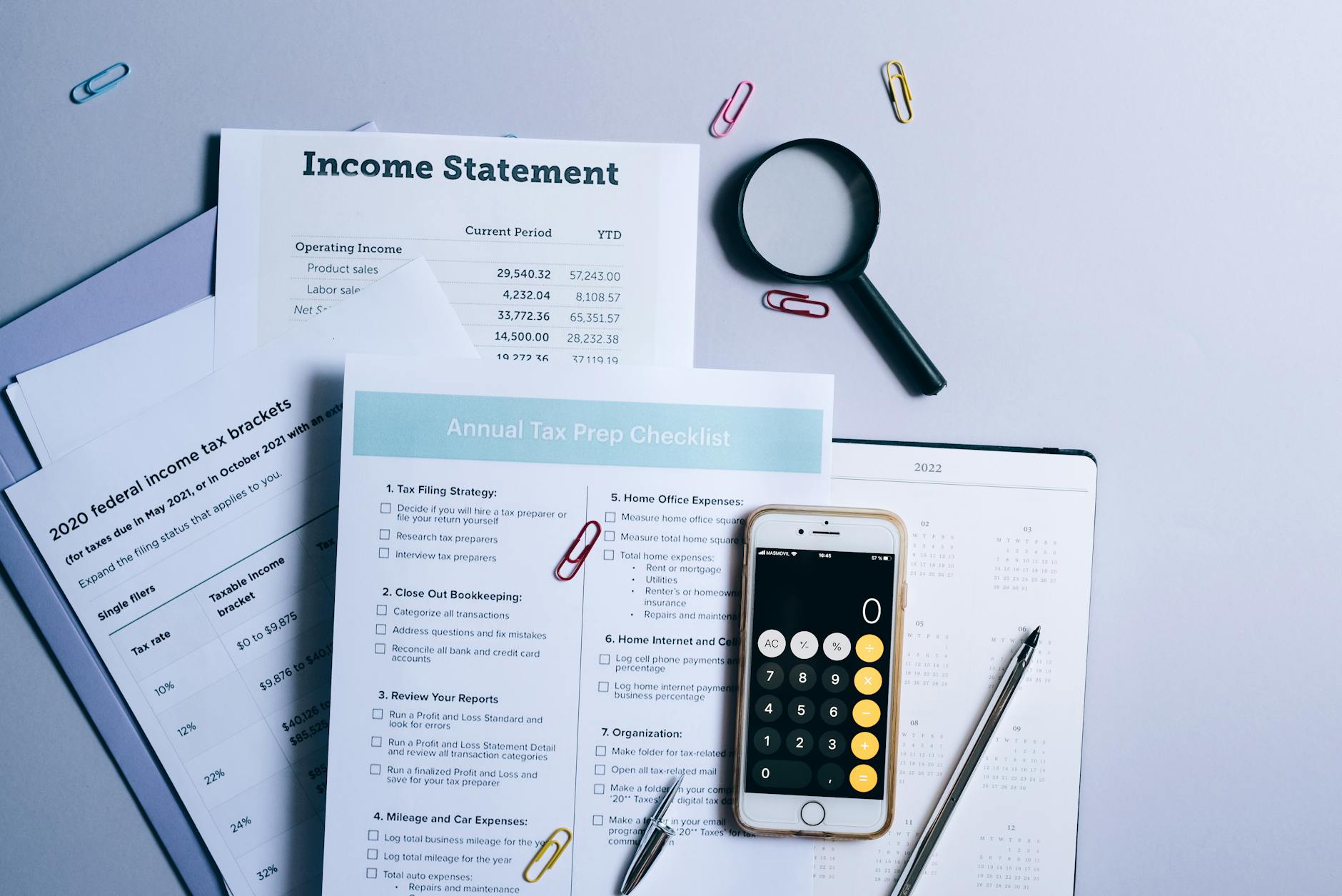
How to Handle 1099 Forms: A Guide for Individuals and Small Businesses
Navigating 1099 forms can be tricky for freelancers and small businesses. Our guide offers practical tips and insights to simplify the process.
Introduction
Hey there! If you’re a freelancer, independent contractor, or small business owner, chances are you’ve encountered 1099 forms during tax season. These forms can feel overwhelming, but fear not! In this guide, we’ll break down everything you need to know about 1099 forms, from what they are to how to report them correctly. By the end, you’ll feel empowered to handle your taxes like a pro!
What are 1099 Forms?
1099 forms are used to report income received from sources other than your regular employer. If you’ve earned more than $600 from a client or business in a given year, they should issue you a 1099-NEC form. This includes payments for freelance work, consulting services, and more.
There are several types of 1099 forms, including:
- 1099-NEC: For reporting non-employee compensation.
- 1099-MISC: For reporting miscellaneous income (e.g., rent, prizes).
- 1099-INT: For reporting interest income.
- 1099-DIV: For reporting dividends and distributions.
Understanding which form applies to you is crucial for accurate tax preparation!
When to Expect Your 1099 Forms
Your clients are required to send out 1099 forms by January 31st of the following year for any payments made in the previous calendar year. This means if you worked as a freelancer in 2023, you should receive your 1099-NEC forms by the end of January 2024.
Keep an eye on your mailbox or email, as many businesses opt to send 1099 forms electronically. If you haven’t received your forms by mid-February, it’s a good idea to follow up with your clients.
How to Report Your 1099 Income
Once you receive your 1099 forms, it’s time to report that income on your tax return. Here’s a quick step-by-step:
- Gather Your Forms: Collect all 1099 forms you’ve received for the tax year.
- Use Schedule C: If you’re self-employed, report your income using Schedule C (Profit or Loss from Business).
- Include All Income: Ensure you report the total income shown on your 1099 forms, even if you didn’t receive a form for smaller amounts.
- Keep Records: Maintain detailed records of your expenses to offset your income, which can help reduce your taxable income.
Make sure to file your taxes by April 15th to avoid penalties!
Common Deductions for Freelancers and Small Businesses
As a freelancer or small business owner, you have the opportunity to deduct certain expenses related to your work. Here are some common deductions:
- Home Office Deduction: If you work from home, you can deduct a portion of your home expenses.
- Business Supplies: Costs for materials or supplies used for your business are deductible.
- Travel Expenses: If you travel for work, you can deduct transportation and lodging costs.
- Marketing Costs: Any expenses incurred for promoting your business can also be deducted.
Keep detailed receipts and records for all your expenses to make the tax preparation process easier!

Key Takeaways
- Understand the different types of 1099 forms and when to expect them.
- Report all income received, even if you don’t receive a 1099 form for smaller amounts.
- Utilize Schedule C to report income and keep track of your business expenses for deductions.
- File your taxes by April 15th to avoid penalties.
Frequently Asked Questions
What should I do if I don't receive a 1099 form?
If you earned over $600 from a client and haven’t received a 1099, reach out to them for clarification. You’re still responsible for reporting that income on your tax return.
Can I deduct expenses if I don’t earn enough to file taxes?
Yes, you can still deduct your business expenses, even if your income is below the filing threshold. Deductions can reduce your taxable income for future years.
What if my 1099 form has mistakes?
If you notice errors on your 1099, contact the issuer immediately to have them corrected. You can report the correct amount on your tax return along with an explanation.
Disclaimer: This content is for informational purposes only and does not constitute tax advice. Please consult with a tax professional for your specific situation.
Need expert tax help?
Cerritos-based Enrolled Agents helping individuals and businesses nationwide with filing, IRS issues, and bookkeeping.