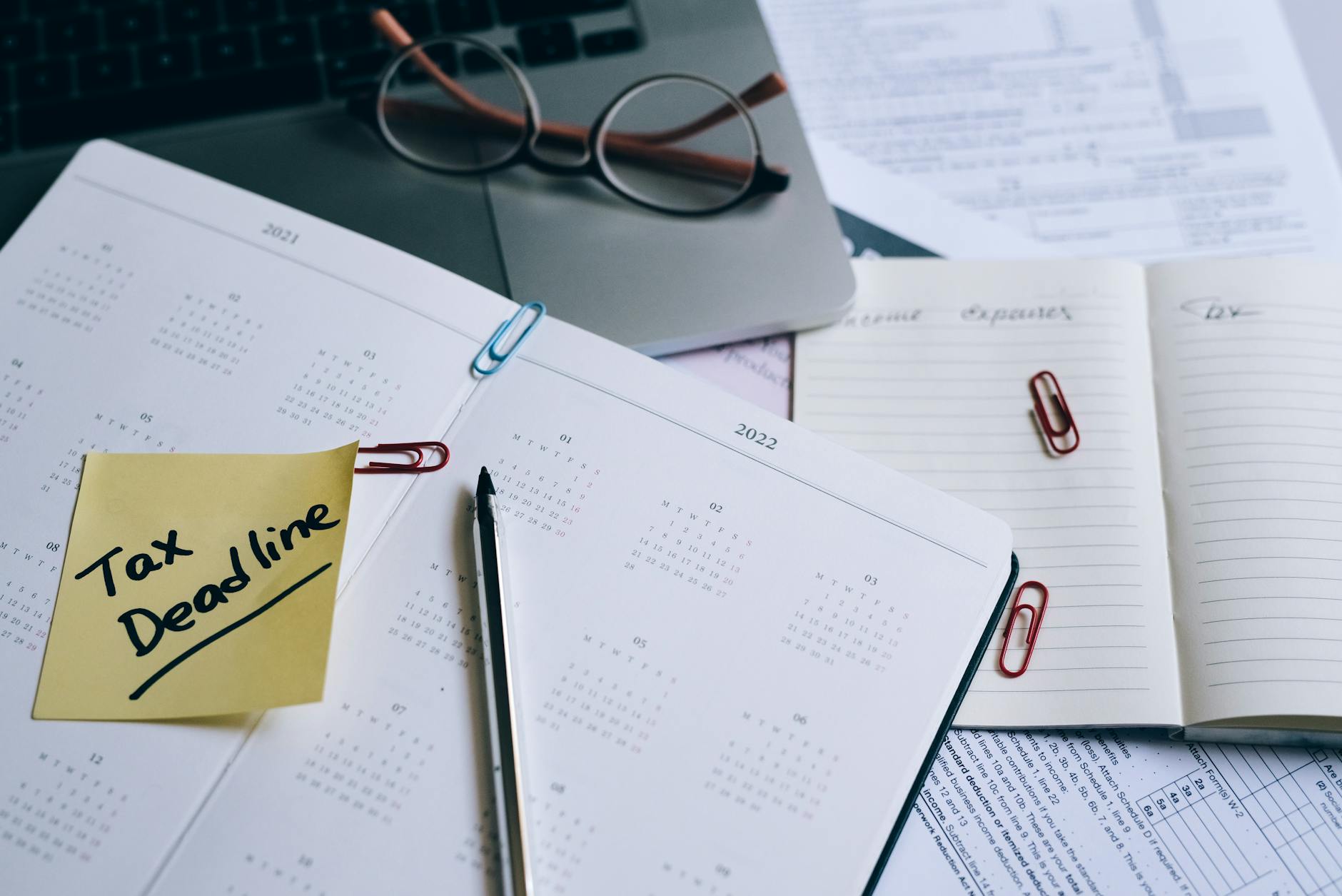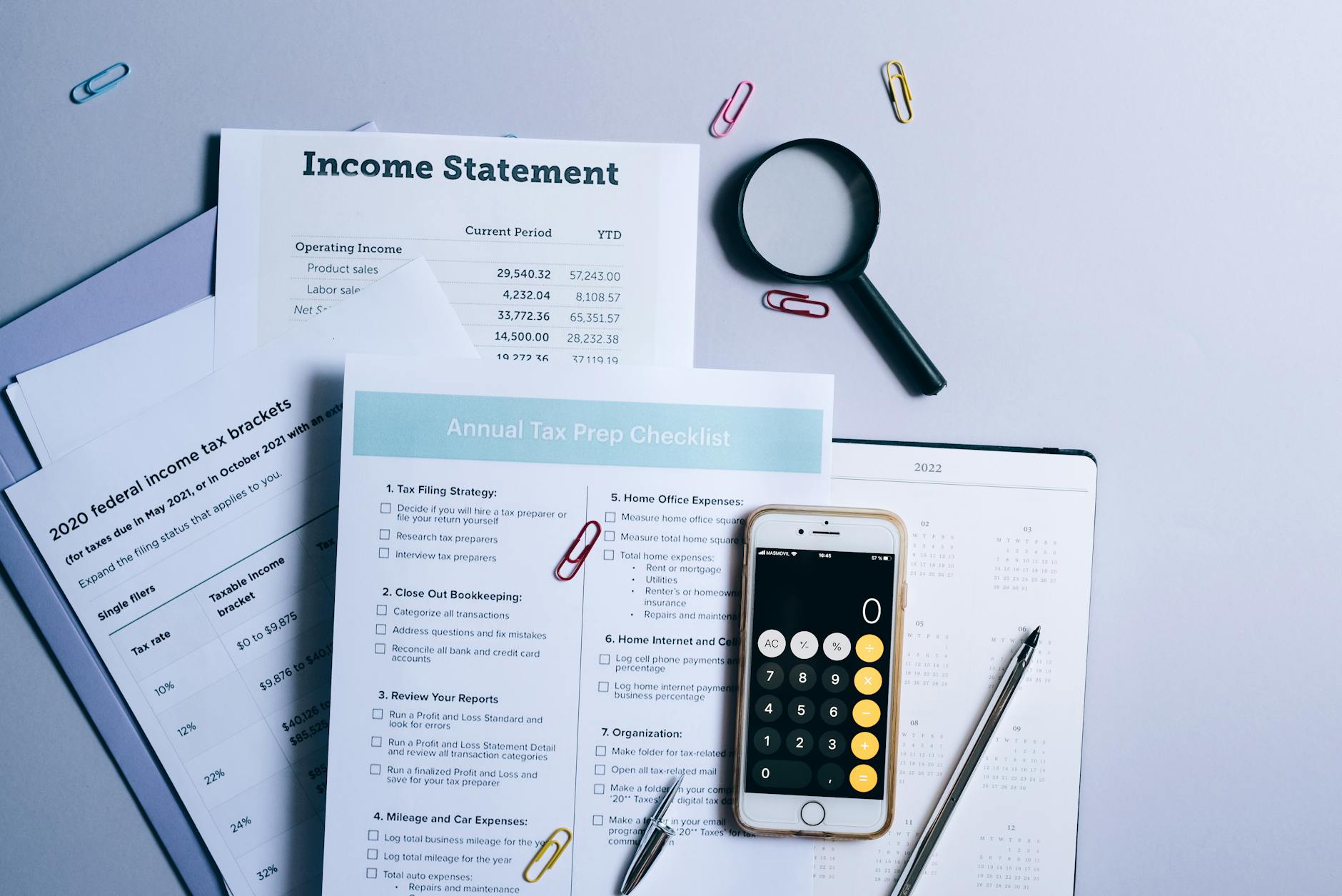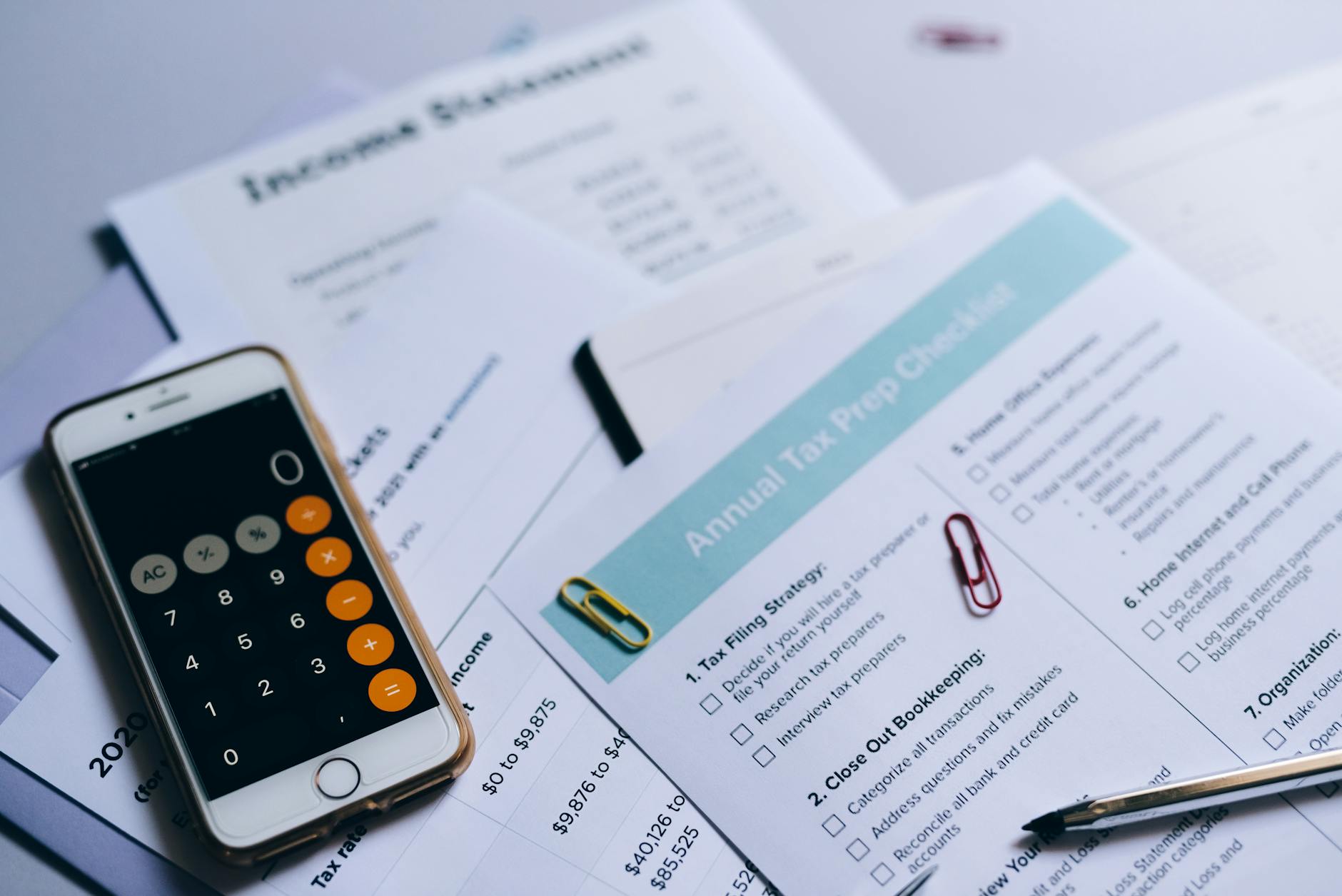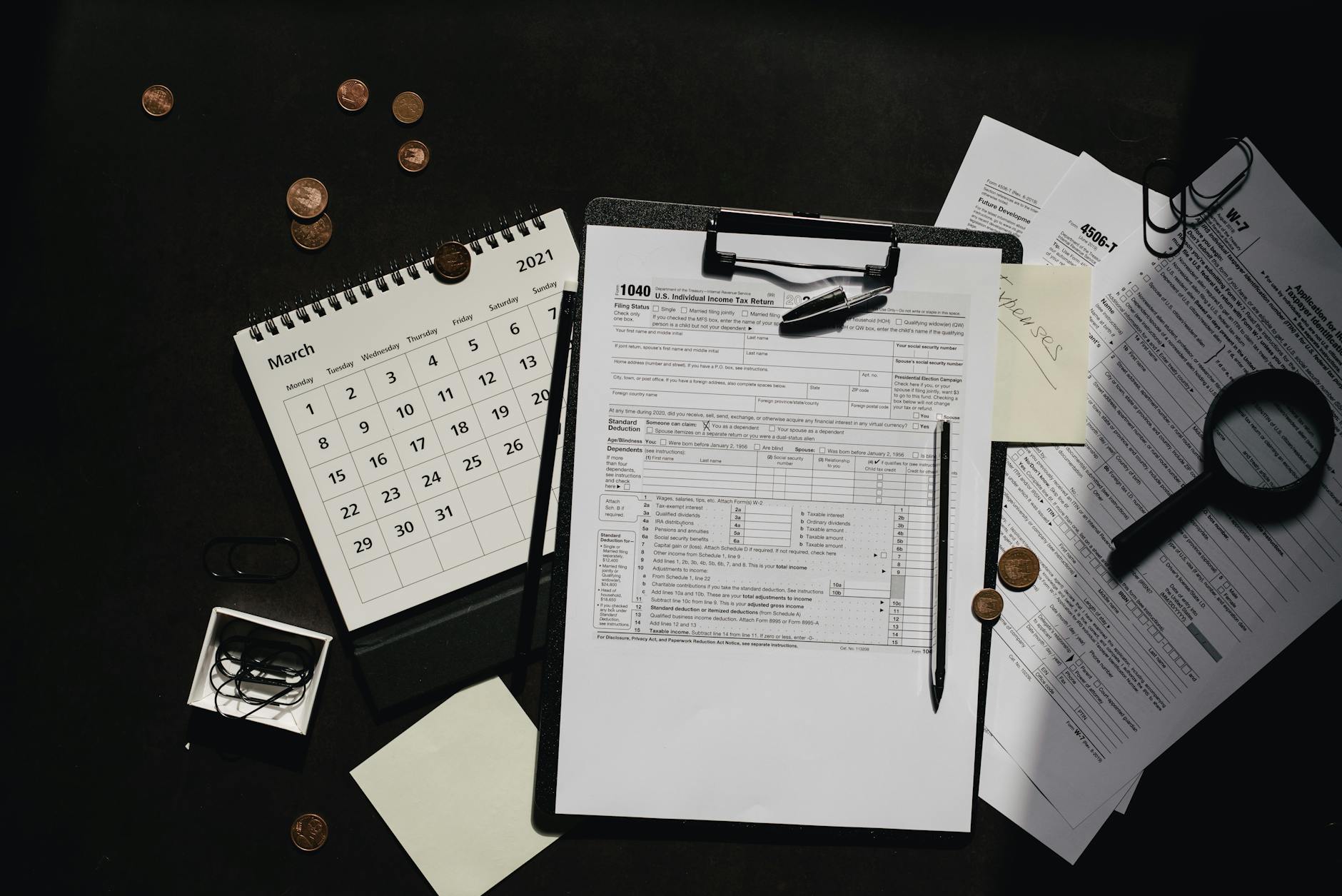
How to Safeguard Against Tax Errors Before Filing Deadline
Avoid costly tax errors with our essential tips for individuals and small businesses. Ensure accurate filings before the deadline with expert advice.
Introduction
As tax season approaches, many individuals and small business owners feel the weight of the deadline looming over their heads. It's a time of year where mistakes can lead to costly consequences. Whether you're filing your taxes for the first time or you're a seasoned pro, understanding how to safeguard against tax errors is crucial. In this blog post, we'll dive into practical tips and actionable steps to ensure your tax filing is accurate and timely, helping you avoid the stress that comes with last-minute errors.
You'll learn about common tax preparation mistakes, important deadlines, and the specific IRS forms you'll need to be aware of. Plus, we’ll share insights on how to manage your tax responsibilities effectively, whether you're an individual or a small business owner.
Understanding Common Tax Errors
Before we get into the nitty-gritty of how to avoid these errors, let’s first highlight some of the most common tax mistakes individuals and small businesses make:
- Incorrect Personal Information: Mistakes in Social Security numbers (SSN) or names can lead to significant delays.
- Math Errors: Simple addition or subtraction mistakes can alter your tax liability.
- Omitting Income: Forgetting to report all sources of income, including freelance work or side gigs, can lead to penalties.
- Claiming Ineligible Deductions: Small businesses often misinterpret what they can deduct, leading to potential audits.
Understanding these errors is the first step toward ensuring your tax return is accurate.
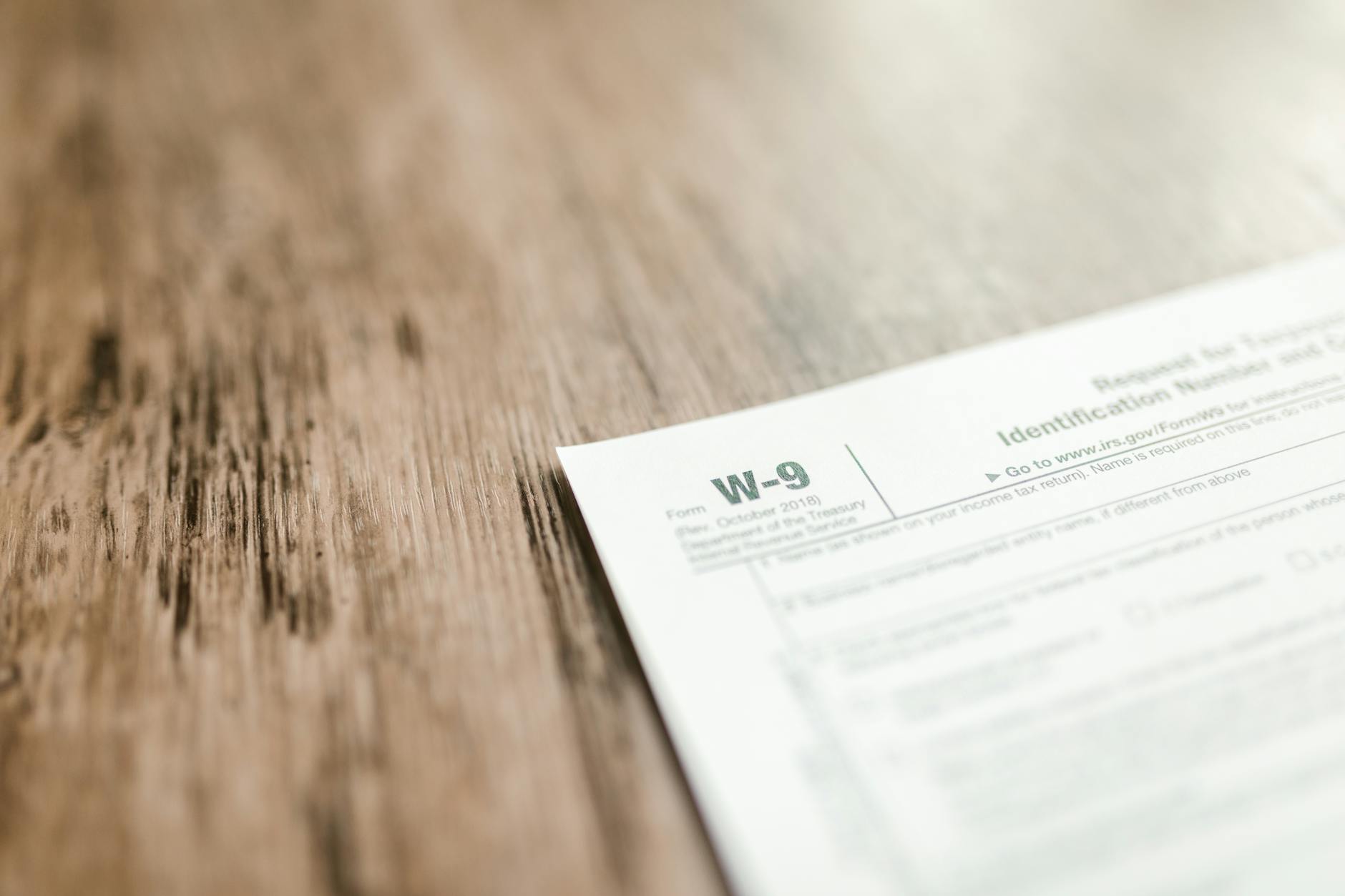
Utilizing the Right IRS Forms
Choosing the correct IRS forms is vital in preventing tax errors. Here are some of the most common forms and their purposes:
- Form 1040: The standard form for individual income tax returns.
- Schedule C: Used by sole proprietors to report income or loss from a business.
- Form W-2: Reports wages paid to employees and the taxes withheld.
- Form 1099: Used to report various types of income other than wages, salaries, and tips.
Be sure to double-check that you're using the right forms that correspond to your specific tax situation to avoid unnecessary errors.
Setting Up an Organized Tax Preparation System
Organization is key to avoiding tax errors. Here’s how you can create an efficient tax preparation system:
- Keep Detailed Records: Maintain a file for all your income statements, expense receipts, and any other documentation.
- Use Accounting Software: Tools like QuickBooks or TurboTax can help track your finances and simplify the filing process.
- Schedule Regular Check-ins: Set aside time each month to review your finances and ensure everything is in order.
By staying organized, you’ll have a clearer picture of your finances and reduce the chance of overlooking important details come tax time.
Reviewing Your Return Before Submission
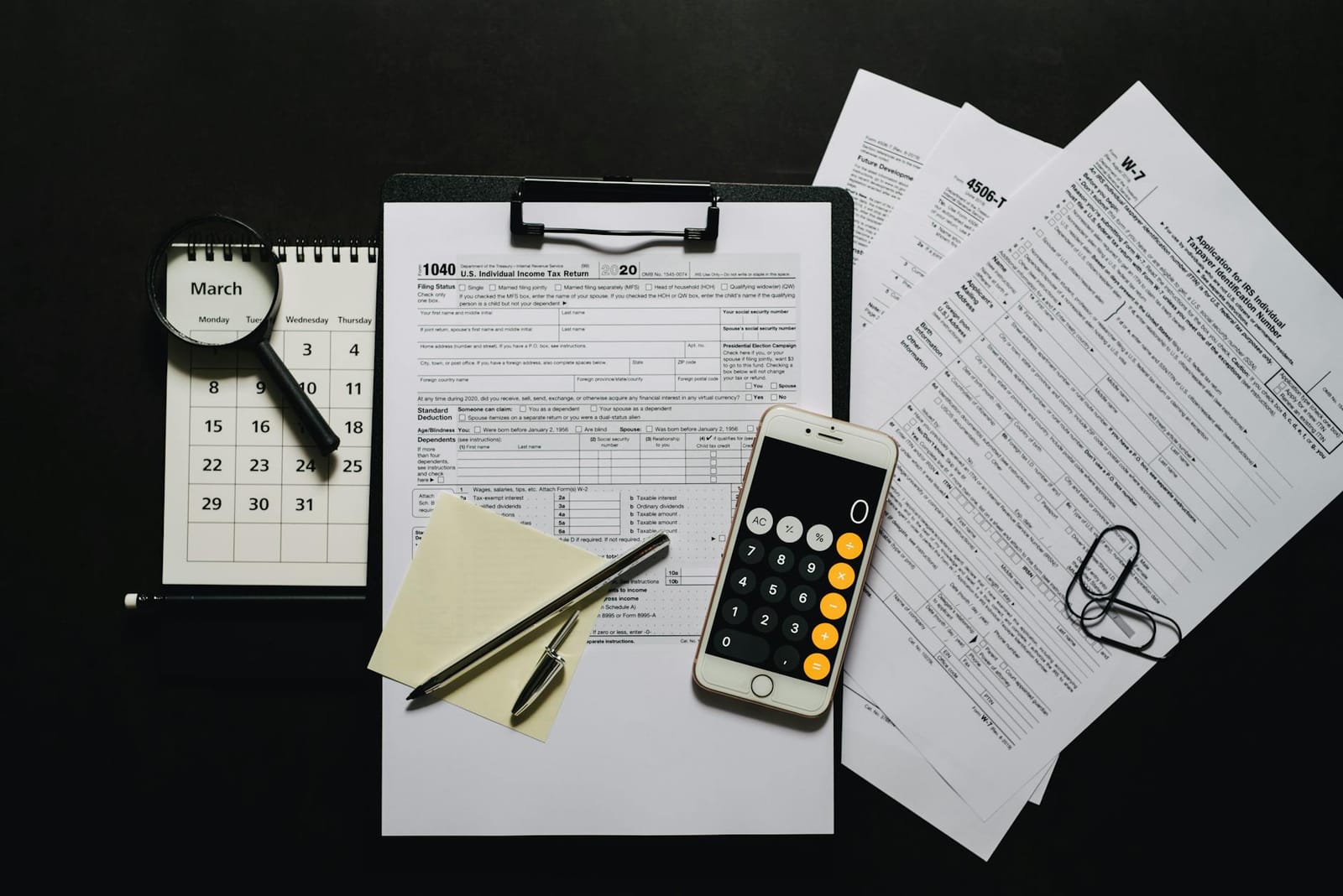
Before you hit that submit button, take the time to review your return. Here’s what to look for:
- Cross-Check Information: Ensure your personal information matches your SSN and that all income is accurately reported.
- Double-Check Calculations: Use a calculator or software to verify your math.
- Review Deductions and Credits: Make sure you’re taking advantage of all eligible deductions and credits to minimize your tax liability.
A thorough review can catch errors that could otherwise lead to penalties or audits.
Seeking Professional Help When Needed
Sometimes, the best way to avoid tax errors is to consult a professional. Here are a few reasons to consider working with a tax expert:
- Expertise in Complex Situations: Professionals can navigate complex tax scenarios that may be beyond your expertise.
- Maximize Deductions: An enrolled agent can help ensure you’re not missing out on valuable deductions.
- Peace of Mind: Having a professional handle your taxes can relieve stress and provide confidence in your filing.
In Cerritos, CA, and nationwide, Libre Tax Service is here to help you navigate your tax obligations with ease.
Frequently Asked Questions
What are the most common tax errors individuals should avoid?
Common tax errors include incorrect personal information, math errors, omitting income, and claiming ineligible deductions.
What IRS forms do I need for individual tax filing?
The most common forms are Form 1040 for personal income tax, Schedule C for sole proprietors, Form W-2 for employees, and Form 1099 for reporting other income.
How can I organize my tax documents effectively?
Keep detailed records, use accounting software, and schedule regular check-ins to stay organized throughout the year.
Should I hire a tax professional for filing my taxes?
If your tax situation is complex or if you want to maximize deductions, seeking help from a tax professional is a wise choice.
What is the filing deadline for individual tax returns?
The standard filing deadline for individual tax returns is April 15. However, if that date falls on a weekend or holiday, it may be extended.
Disclaimer: This blog post is for informational purposes only and should not be considered as tax advice. Always consult a tax professional for specific guidance.
Need expert tax help?
Cerritos-based Enrolled Agents helping individuals and businesses nationwide with filing, IRS issues, and bookkeeping.