Avoiding Costly Mistakes: Tax Filing Errors Small Businesses Make
Avoid costly tax filing errors this season! Discover common mistakes small business owners make and how to sidestep them with our expert tips.
Introduction
Tax season can be a stressful time for small business owners. With so many forms, deadlines, and regulations to navigate, it’s easy to make errors that could cost you time and money. In this guide, we’ll share some of the most common tax filing errors small businesses make and offer practical IRS filing tips to help you avoid tax penalties.
By the end of this post, you’ll be equipped with the knowledge to ensure a smooth filing process and keep your hard-earned money where it belongs, in your pocket!

Common Tax Filing Errors Small Businesses Make
It’s important to be aware of the typical mistakes that can arise during tax season. Here are some of the most frequent tax filing errors:
- Incorrectly Reporting Income: One of the biggest tax filing errors is failing to report all income. This can happen if you don’t track cash transactions or overlook 1099 forms. Remember, all income must be reported, regardless of how it was received.
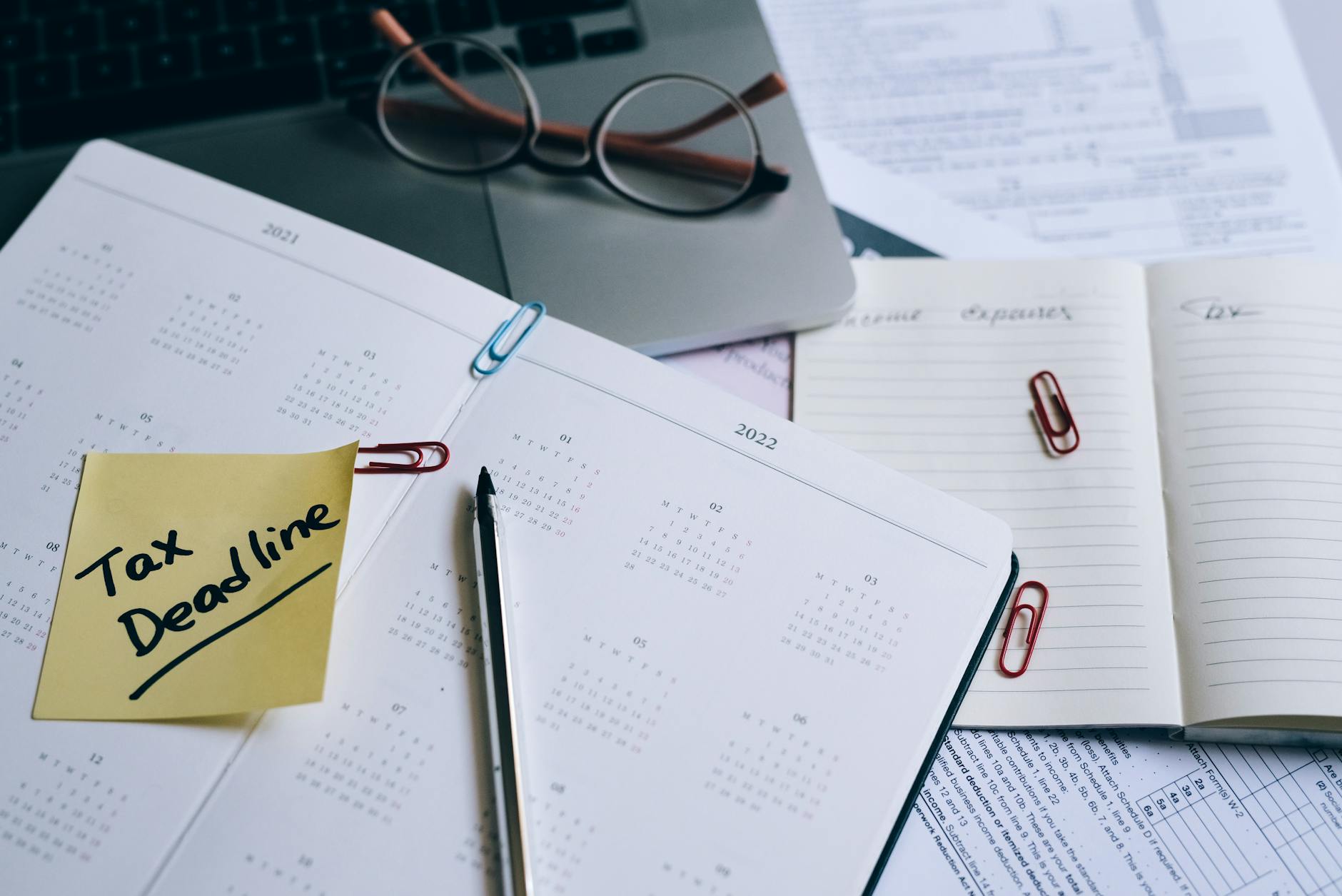
- Missing Deadlines: Each year, the IRS sets key deadlines for tax filing. For most small businesses, the deadline is March 15 for S Corporations and April 15 for sole proprietorships. Missing these deadlines can lead to penalties.
- Neglecting Deductions: Small businesses often miss out on valuable deductions like home office expenses, vehicle expenses, and business-related travel costs. Ensure you’re aware of the deductions you qualify for and keep accurate records.
- Filing the Wrong Forms: Using the incorrect IRS forms can lead to processing delays or penalties. For example, sole proprietors typically use Schedule C (Form 1040) while partnerships use Form 1065.
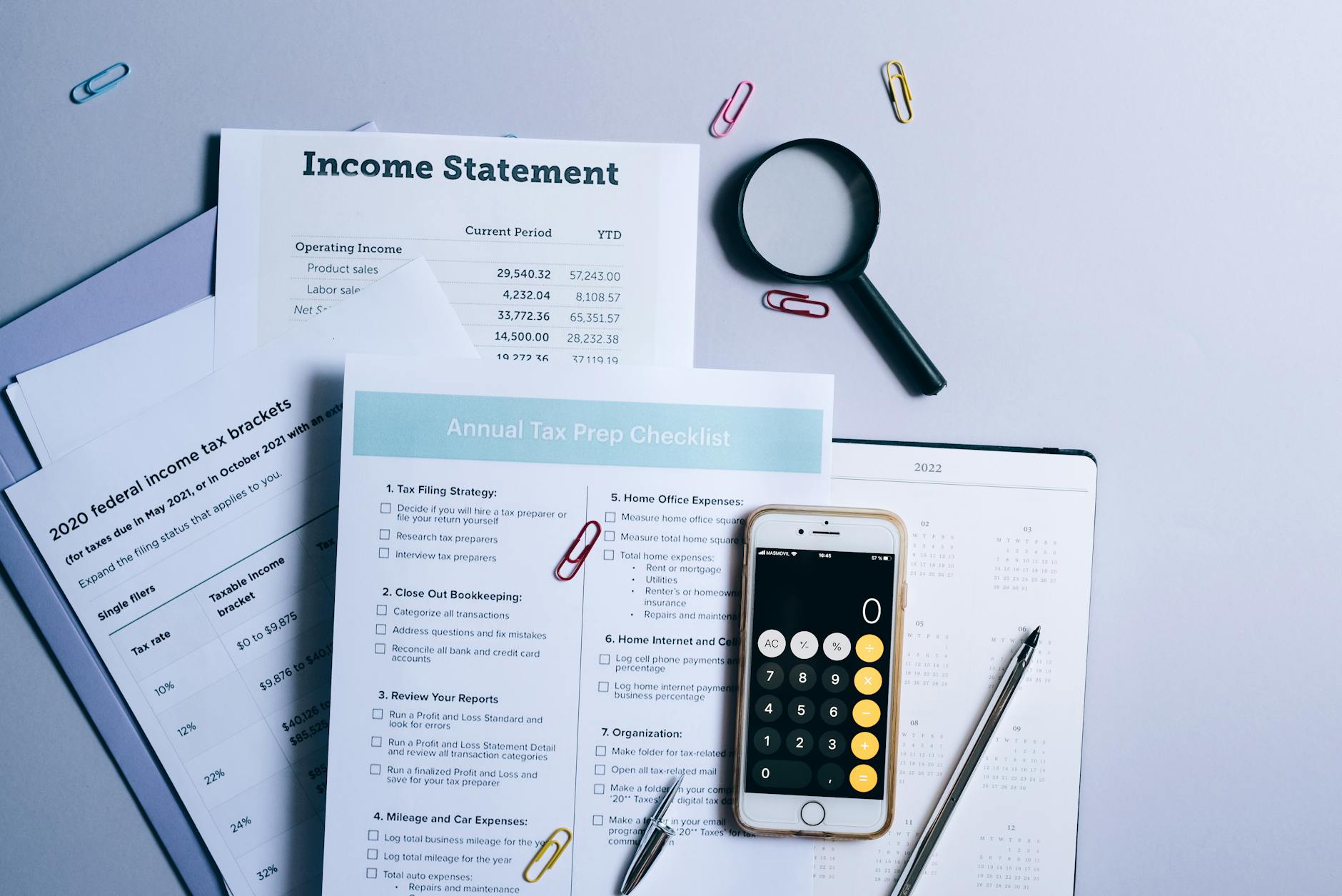
- Not Keeping Accurate Records: Poor record-keeping can result in errors on your tax return. Maintain organized records of all financial transactions to back up your claims and deductions.
Essential IRS Filing Tips for Small Businesses
To help you navigate tax season successfully, here are some actionable IRS filing tips:
- Use Tax Software: Investing in reliable tax software can simplify the filing process and minimize errors. Look for programs that automatically update to reflect the latest tax laws.
- Hire a Professional: Consider working with an Enrolled Agent, like those at Libre Tax Service, who can guide you through the tax filing process and help you maximize your deductions.
- Plan Ahead: Start preparing your taxes well in advance of the deadline. Gather all necessary documents, including W-2s, 1099s, and receipts for deductions.
- Review Your Return Thoroughly: Before filing, double-check your return for errors. A fresh set of eyes can catch mistakes you may have overlooked.
- Stay Informed: Tax laws change frequently. Keep yourself updated on any changes that could affect your business by following IRS announcements or consulting with a tax professional.

Avoiding Tax Penalties: What You Need to Know
Avoiding costly tax penalties is crucial for the financial health of your small business. Here are some strategies to help you steer clear of penalties:
- File On Time: As mentioned earlier, adhering to deadlines is vital. If you can’t file on time, consider applying for an extension using Form 7004.
- Pay Estimated Taxes: If you expect to owe $1,000 or more when you file your return, ensure you make estimated tax payments throughout the year using Form 1040-ES.
- Keep Copies of Everything: Maintain copies of your filed tax returns and any correspondence with the IRS. This will be helpful if questions arise in the future.
Key Takeaways for Small Business Owners
To recap, here are the key takeaways to keep in mind during tax season:
- Always report all income, including cash transactions and 1099s.
- Be aware of and meet all IRS deadlines.
- Maximize your deductions by keeping detailed records.
- Choose the correct IRS forms for your business structure.
- Consider professional help to navigate complex tax situations.

FAQs About Small Business Tax Filing
Q: What is the deadline for filing taxes for small businesses?
A: The deadline typically falls on March 15 for S Corporations and April 15 for sole proprietorships. Check the IRS website for specific dates.
Q: Can I deduct home office expenses?
A: Yes, if you use part of your home exclusively for business purposes, you may qualify for home office deductions. Keep accurate records of your expenses.
Q: What forms do I need to file as a sole proprietor?
A: Sole proprietors typically use Schedule C (Form 1040) to report income and expenses.
Disclaimer: The information provided in this blog post is for informational purposes only and should not be considered as professional tax advice. Always consult with a qualified tax professional regarding your specific situation.
Need expert tax help?
Cerritos-based Enrolled Agents helping individuals and businesses nationwide with filing, IRS issues, and bookkeeping.