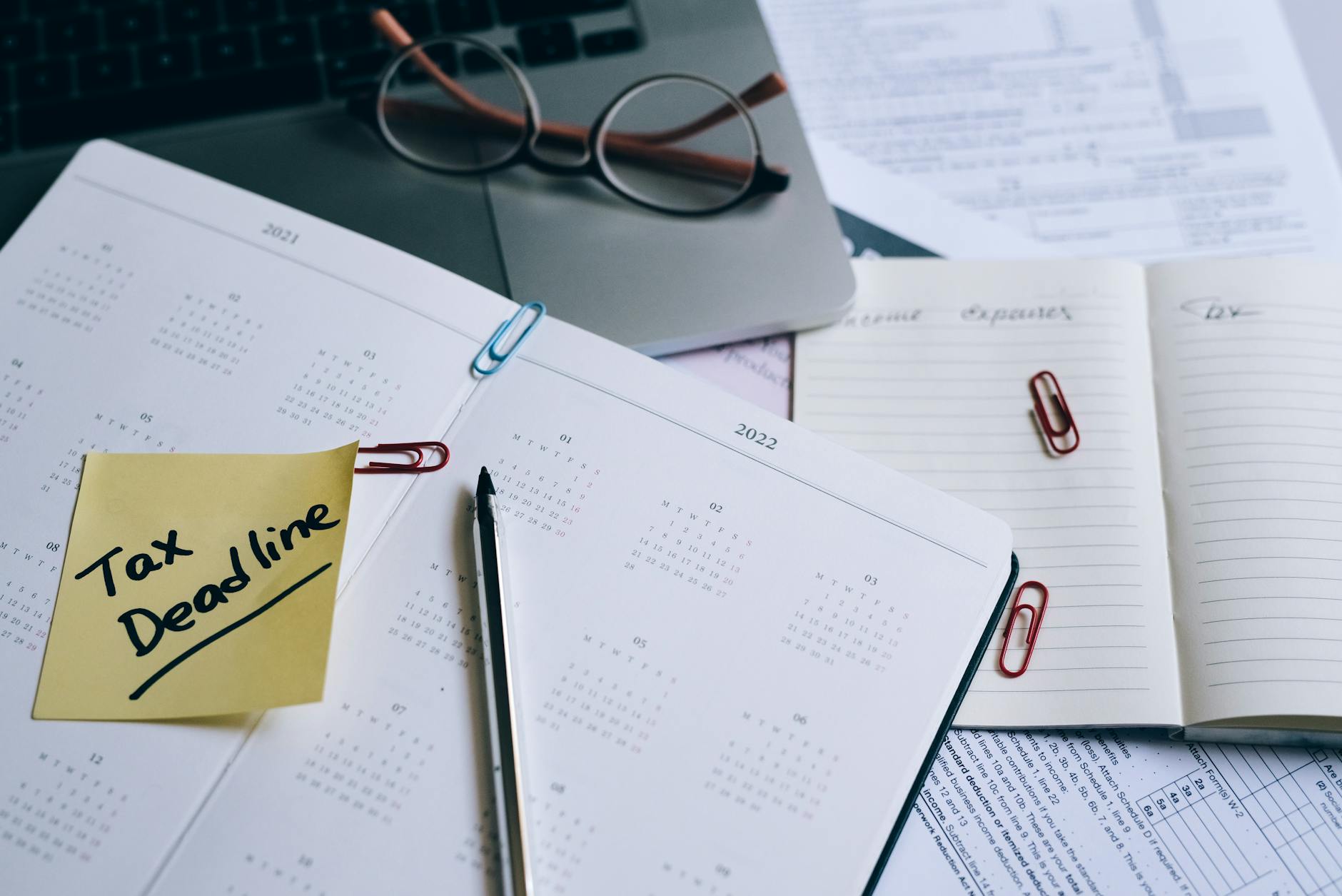
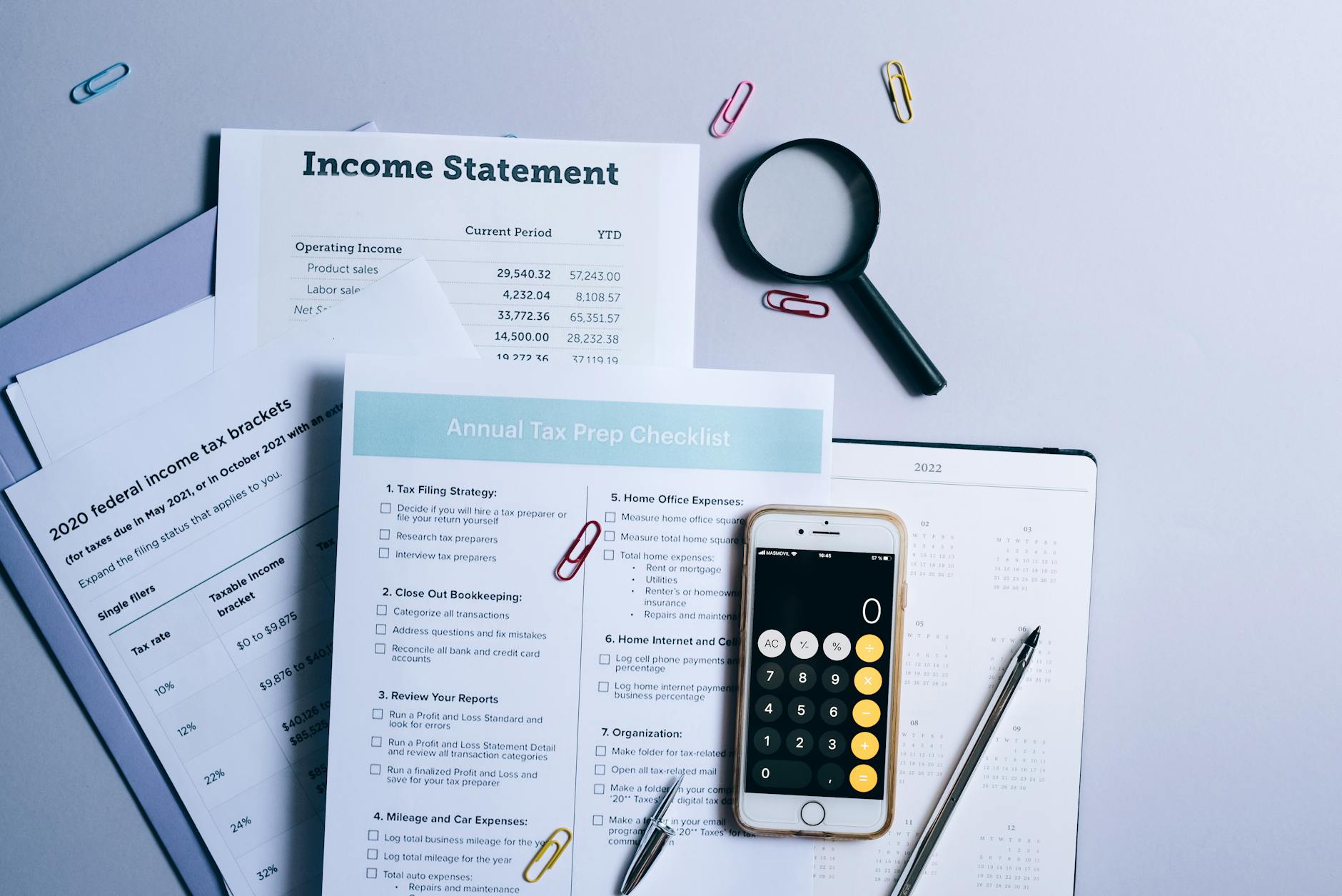
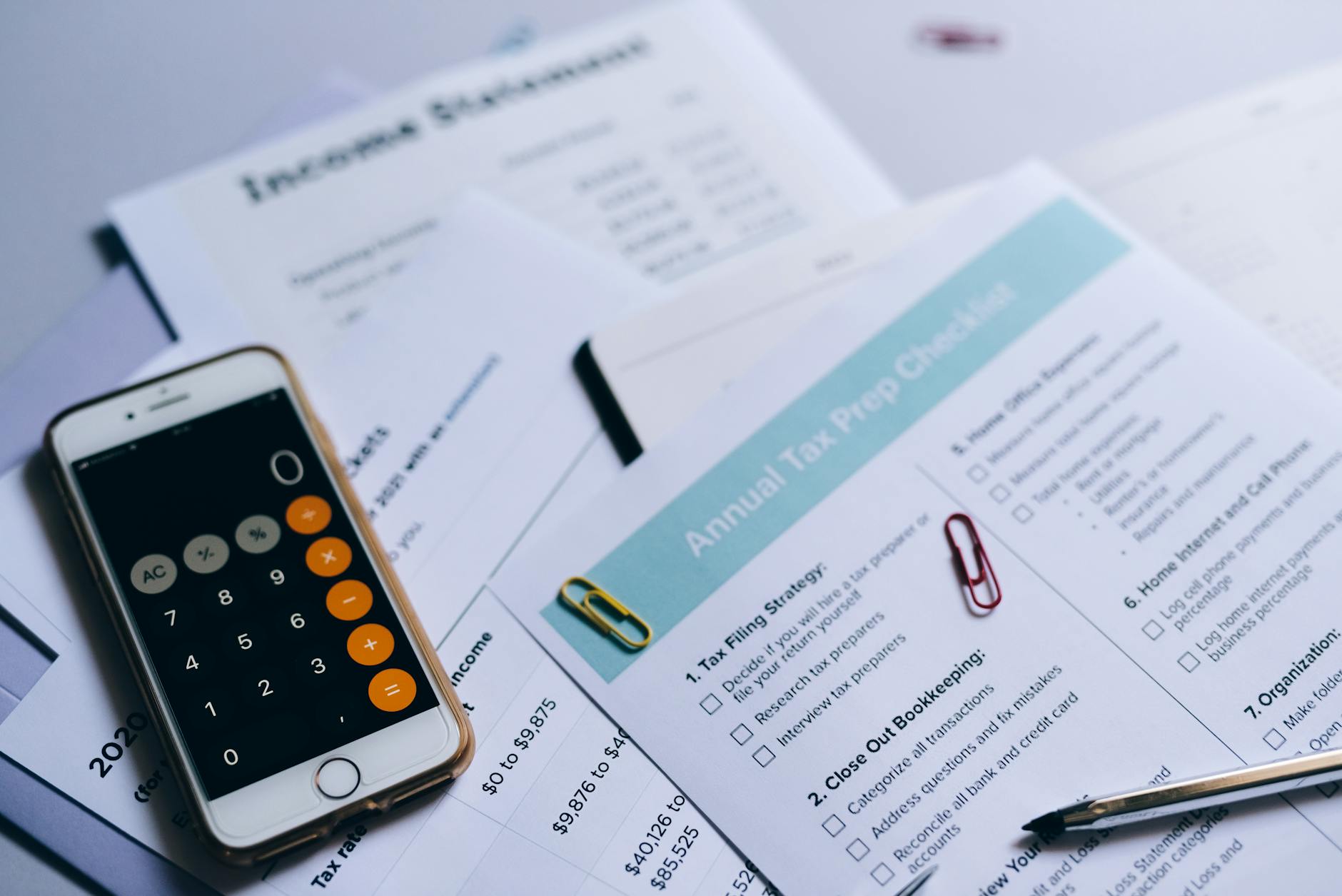
Essential Tax Documentation You Need to Gather Before Filing
Prepare for tax season with our essential documentation checklist to maximize deductions and streamline your filing process.
Introduction
As tax season approaches, the anxiety of gathering documents can feel overwhelming, whether you're an individual taxpayer or a small business owner. But fear not! This guide will walk you through the essential tax documentation you need to collect before filing. By the end, you'll have a clear understanding of what forms to gather, tips to simplify your filing process, and strategies to maximize your deductions.
Understanding Tax Documentation
Tax documentation refers to the various records and forms that taxpayers need to submit to the IRS to report their income, claim deductions, and ensure compliance with tax laws. Being organized and thorough with your tax documentation can significantly impact your tax refund or amount owed. The IRS mandates specific forms and documents based on your income sources, filing status, and whether you run a small business.
Key Tax Documents for Individuals
As an individual taxpayer, here are the crucial documents you need to gather:
- W-2 Forms: If you are an employee, your employer will provide you with a W-2 form showing your annual wages and the taxes withheld. Ensure you receive this by January 31.
- 1099 Forms: For those who freelance or have received other income sources (like interest or dividends), look for 1099 forms. Common types include 1099-MISC for freelance earnings and 1099-INT for interest income.
- Form 1040: This is the main tax form for individuals. Familiarize yourself with its sections to ensure you complete it accurately.
- Receipts for Deductions: Keep receipts for any deductible expenses, including medical costs, charitable donations, and mortgage interest.
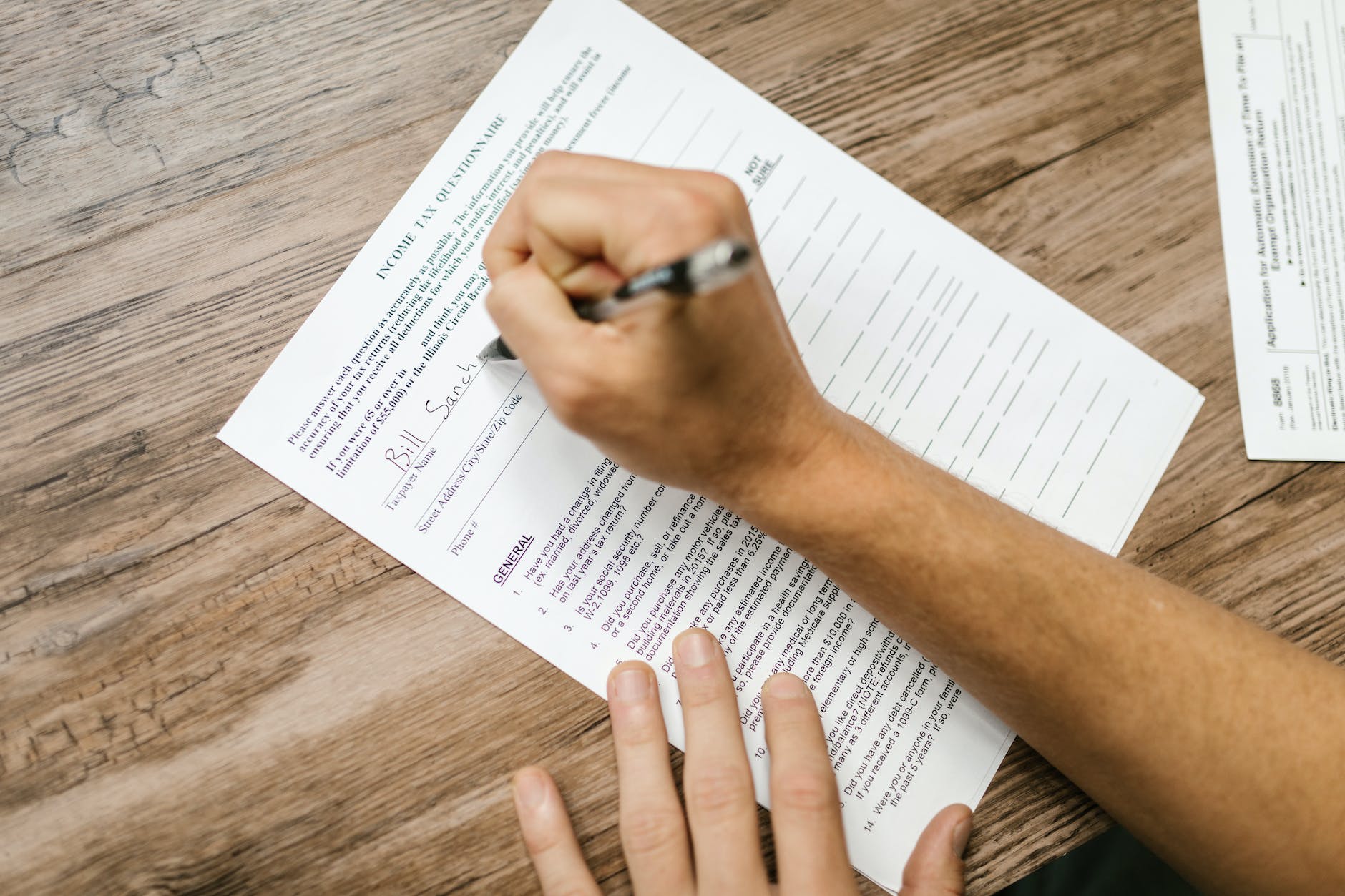
Essential Documents for Small Business Owners
As a small business owner, your documentation needs are more extensive:
- Schedule C (Form 1040): Use this form to report income or loss from your business. You’ll need your business income statements and expense records.
- Form 1099-NEC: If you hire independent contractors, you are required to issue them a 1099-NEC form if you paid them $600 or more.
- Business Expense Receipts: Keep detailed records of all business-related expenses, such as office supplies, travel expenses, and utilities.
- Bank Statements: Your business bank statements can help verify income and expenses, providing a clear picture of your financial activities.
Tax Season Checklist
Here’s a tax season checklist to ensure you gather everything you need:
- W-2 forms
- 1099 forms
- Business income statements
- Receipts for all deductible expenses
- Last year's tax return (for reference)
- Any Form 1095-A for health insurance
By systematically checking off items on this list, you can reduce the stress of tax preparation and avoid last-minute scrambles.
Filing Tips to Maximize Deductions
To maximize your deductions during tax filing, consider the following tips:
- Know Your Deductions: Familiarize yourself with deductible expenses specific to your situation, such as student loan interest or home office expenses for freelancers.
- Keep Accurate Records: Utilize accounting software or spreadsheets to track your income and expenses throughout the year.
- Consult IRS Guidelines: Stay informed about changes in tax laws that may affect your deductions. The IRS updates its rules annually, so check the IRS website for the latest information.
- Consider Professional Help: If your situation is complex, consider hiring a tax professional to guide you through the process.
Key Takeaways
Before you wrap up your tax preparation, here are some key takeaways:
- Gather all necessary tax documentation early.
- Stay organized by using a checklist.
- Maximize your deductions by knowing what's available to you.
- Don't hesitate to seek professional advice if needed.
Frequently Asked Questions
What documents do I need for filing taxes?
You need W-2s, 1099s, receipts for deductions, and any relevant forms like Schedule C if you're a business owner.
When is the deadline for filing taxes?
Typically, the deadline for filing individual tax returns is April 15. However, if it falls on a weekend or holiday, it may be extended.
Can I file taxes without all my documents?
While you can file an extension, it's best to gather all documents to ensure an accurate return and maximize deductions.
Disclaimer: This content is for informational purposes only and should not be considered as legal or tax advice. Please consult a tax professional for personalized advice.
Need expert tax help?
Cerritos-based Enrolled Agents helping individuals and businesses nationwide with filing, IRS issues, and bookkeeping.