Essential Tax Documentation: What You Need to File This Season
Get ready for tax season! Learn about the essential tax documentation you need to file this year and streamline your preparation process.
Introduction
As tax season approaches, many individuals and small business owners find themselves asking, 'What do I need to file this year?' The answer lies in understanding the essential tax documentation required to ensure a smooth and efficient filing process. In this blog post, we’ll walk you through the necessary documentation, provide a tax season checklist, and help you avoid common pitfalls that can lead to delays.
Whether you're filing as an individual or managing small business tax prep, the right documentation is crucial. You’ll learn about IRS forms, deadlines, and tips to make the process less daunting. Let’s dive in!
Understanding Tax Documentation
Tax documentation refers to the various forms and records you need to gather before filing your taxes. This includes everything from income statements to expense records, and understanding what you need is the first step in effective tax preparation.
Typically, tax documentation falls into two main categories:
- Income Documentation: This includes W-2 forms from employers, 1099 forms for freelance work, and any other documents that report your income.
- Deduction Documentation: This encompasses receipts for deductible expenses, such as business expenses for small business owners, medical expenses, and charitable contributions.
Keeping these documents organized can save you time and stress as the tax deadline approaches.
Essential Documents for Individuals
For individuals, here’s a comprehensive list of essential tax documentation you should gather:
- W-2 Forms: If you're employed, your employer will provide this form that details your annual earnings and the taxes withheld.
- 1099 Forms: These are necessary if you had freelance work or received income from other sources, such as interest or dividends.
- Tax Deductions: Collect receipts for any deductible expenses, including medical bills, education costs, and mortgage interest (Form 1098).
- Health Insurance Information: If you had health insurance, you may need Form 1095-A, 1095-B, or 1095-C.
Make sure to also include any other pertinent documents that could impact your tax situation.

Essential Documents for Small Businesses
Small business owners have additional documentation requirements. Here’s what you’ll need:
- Profit and Loss Statements: These documents summarize your business's revenue and expenses, which are crucial for determining your taxable income.
- Expense Receipts: Keep all receipts for business expenses, including utilities, rent, supplies, and travel costs.
- 1099 Forms for Contractors: If you paid contractors, you need to issue Form 1099-NEC to report their earnings.
- Business Licenses: Ensure that you have copies of any licenses or permits your business requires.
By organizing these documents ahead of time, you can streamline your small business tax prep and minimize the risk of errors.
Important IRS Forms and Deadlines
Understanding the IRS forms and deadlines is crucial for timely and accurate tax filing. Here are some key forms and deadlines to keep in mind:
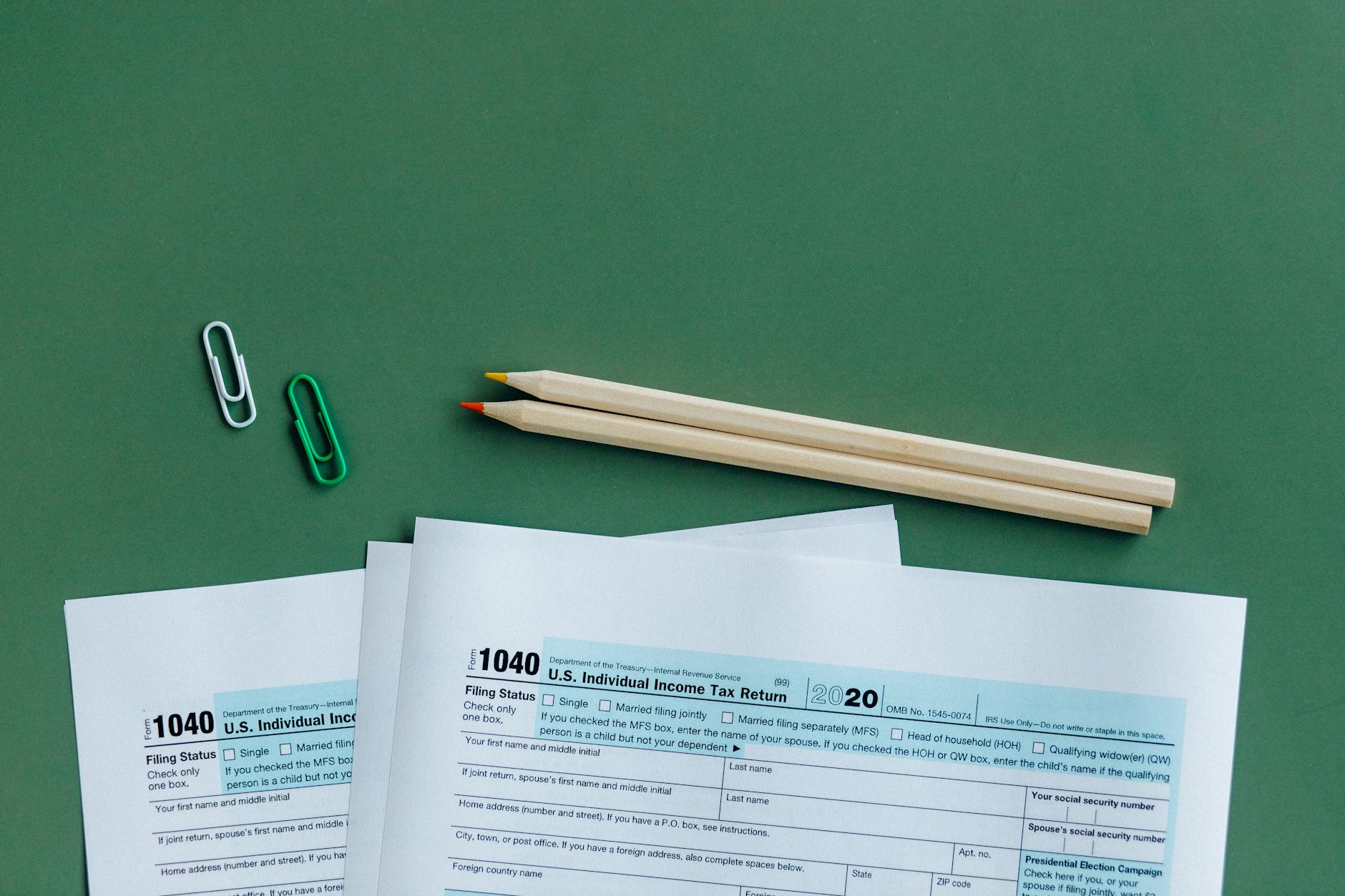
- Form 1040: This is the standard individual income tax return form due by April 15 each year.
- Form 1065: Partnerships must file this form by March 15.
- Form 1120: Corporations file this form, which is also due by April 15.
- Form 941: Employers must file this quarterly to report income taxes, Social Security tax, and Medicare tax withheld from employee wages.
Stay informed about any changes or updates to these forms and deadlines by visiting the IRS website or consulting with a tax professional.
Tips for Streamlining Your Tax Preparation Process
To make your tax preparation process smoother, consider the following tips:
- Organize Your Documents: Create a dedicated folder for your tax documents, both physical and digital, to keep everything in one place.
- Use Tax Software: Consider using reputable tax software that can help you identify deductions and make filing easier.
- Consult a Tax Professional: If your situation is complex, don’t hesitate to reach out to a tax expert for guidance.
- Keep Records Year-Round: Maintain an ongoing record of your expenses and income throughout the year to reduce stress during tax season.
By implementing these practices, you can reduce the time and effort required for tax preparation.
Frequently Asked Questions
What documents do I need to file my taxes?
You'll need your W-2s, 1099s, deduction receipts, and any relevant IRS forms like Form 1040.
What are the deadlines for filing taxes?
Typically, individual tax returns are due by April 15. Partnerships must file by March 15.
Can I file my taxes without all my documents?
It's advisable to gather all necessary documents to avoid delays and ensure accuracy in your filing.
What should I do if I've lost some tax documents?
Contact your employer or financial institution to request duplicates or check your online accounts for electronic copies.
Disclaimer: This blog post is for informational purposes only and should not be considered tax advice. Please consult a tax professional for personalized assistance.
Need expert tax help?
Cerritos-based Enrolled Agents helping individuals and businesses nationwide with filing, IRS issues, and bookkeeping.