How to Avoid Common Tax Filing Pitfalls This Season
Discover how to navigate tax filing pitfalls this season with practical advice and insights from tax experts at Libre Tax Service.
Introduction: Navigating the Tax Filing Maze
As tax season approaches, many individuals and small business owners find themselves feeling overwhelmed by the complexities of tax filing. With the IRS constantly updating regulations and deadlines, it’s easy to make mistakes that could cost you time and money. In this guide, we’ll walk you through common tax filing mistakes and provide actionable IRS filing tips to ensure you file accurately and on time.
By the end of this post, you’ll be equipped with essential individual tax tips and small business tax help that will not only simplify your filing process but also help you avoid costly pitfalls.

Understanding Common Tax Filing Mistakes
Before diving into solutions, let’s identify some of the most prevalent tax filing mistakes that individuals and small businesses encounter:
- Incorrect Personal Information: Failing to check that your name, Social Security number, and filing status are accurate can lead to significant delays in processing your return.
- Math Errors: Simple calculation mistakes can lead to incorrect refunds or tax liabilities. Always double-check your math or consider using tax software.
- Missing Deadlines: The IRS has strict deadlines for filing taxes and making payments. For most individuals, the deadline is April 15. Missing this can result in penalties.
- Neglecting to Report All Income: Make sure to report all your income, including freelance work and side jobs. The IRS receives copies of all 1099 forms you receive, so they will know if you leave something out.

Essential IRS Filing Tips for Individuals
Here are some practical tips to help you avoid mistakes during your tax filing:
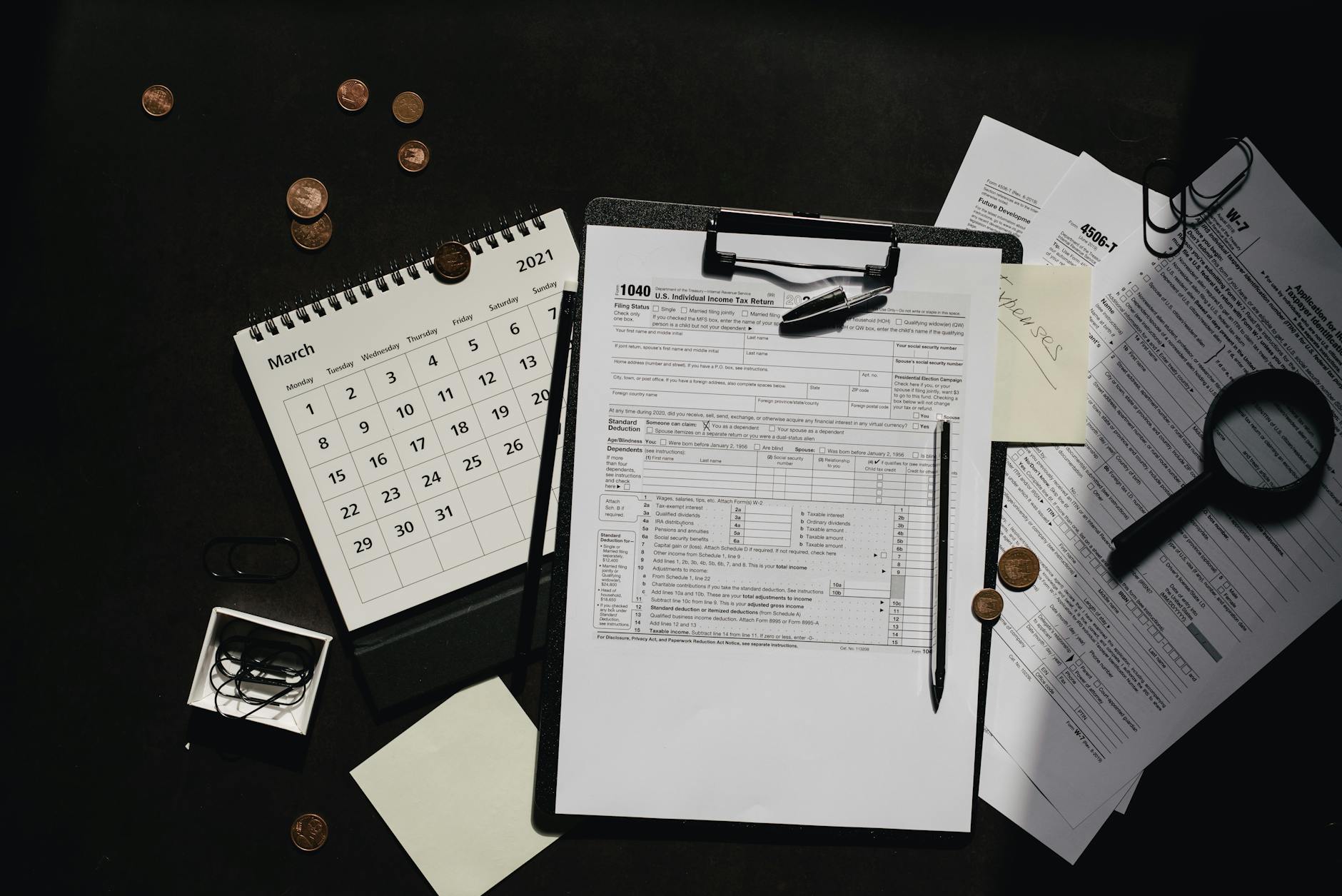
- Use the Right Form: Most individuals will file using Form 1040. Ensure you’re using the correct version for your situation (e.g., 1040-SR for seniors).
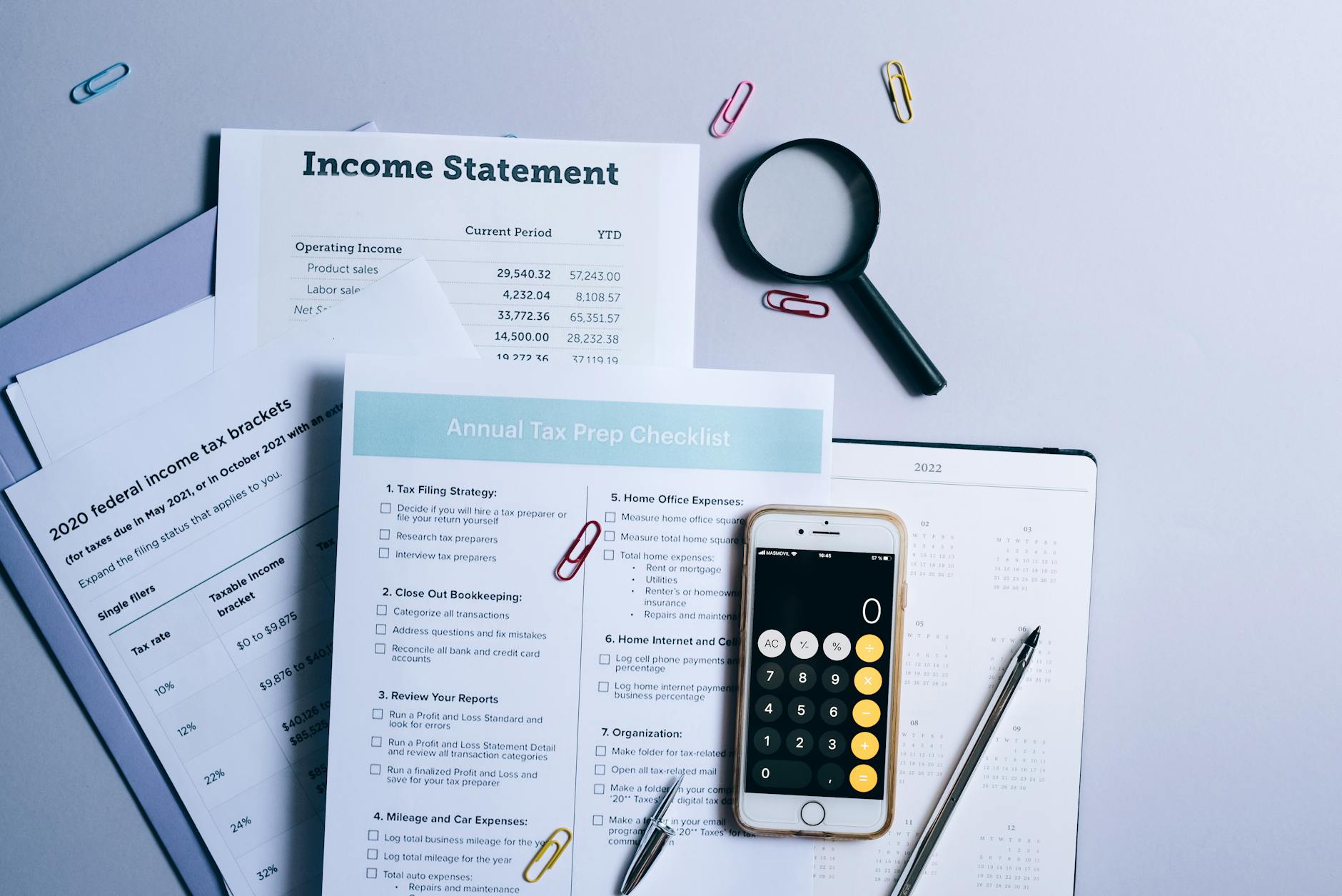
- Keep Records Organized: Gather all necessary documentation such as W-2s, 1099s, and receipts for deductions. This will streamline your filing process.
- Consider E-Filing: E-filing is faster and reduces the likelihood of errors. The IRS offers free options for those who qualify.
- Review Deductions and Credits: Familiarize yourself with potential deductions and credits that can reduce your tax liability, such as the Earned Income Tax Credit (EITC).

Small Business Tax Help: Avoiding Common Errors
Small business owners face unique challenges during tax season. Here’s how to avoid common pitfalls:
- Separate Business and Personal Expenses: Use separate accounts to track business expenses. This makes it easier to file taxes and ensures you don’t miss eligible deductions.
- Understand Estimated Taxes: Self-employed individuals must pay estimated taxes quarterly. Failing to do so can result in penalties.
- Document Everything: Keep meticulous records of all business transactions. The IRS requires documentation for any deductions claimed.
- Don't Forget State Requirements: If your business operates in Cerritos, CA, ensure you’re aware of state tax obligations and deadlines.

Key Takeaways for a Smooth Tax Season
To wrap up, here are some crucial tips to keep in mind as you prepare for tax season:
- Double-check personal information and math calculations.
- File by the April 15 deadline to avoid penalties.
- Utilize e-filing options for accuracy and speed.
- Keep detailed records of income and expenses, particularly for small businesses.
- Stay informed about changes in tax laws that could impact your filing.
Frequently Asked Questions
- What should I do if I made a mistake on my tax return? You can file an amended return using Form 1040-X to correct any errors.
- How can I maximize my deductions? Keep track of all eligible expenses throughout the year and consult IRS publications for guidance on specific deductions.
- What happens if I miss the filing deadline? You may incur penalties. It’s best to file as soon as possible, even if you can’t pay the full amount owed.
- Are there tax credits for small businesses? Yes, credits like the Small Business Health Care Tax Credit can significantly reduce tax liability.
- When should I seek professional tax help? If you’re unsure about your filing or have complex income situations, it’s wise to consult a tax professional.
Get Professional Help with Libre Tax Service
Tax season doesn’t have to be stressful. If you’re looking for reliable support, the experts at Libre Tax Service are here to help. Based in Cerritos, CA, we specialize in providing personalized tax services for individuals and small businesses nationwide. Don’t navigate the complexities of tax filing alone. Contact us at (562) 925-7100 or email [email protected] for assistance today!
Frequently Asked Questions
What should I do if I made a mistake on my tax return?
You can file an amended return using Form 1040-X to correct any errors.
How can I maximize my deductions?
Keep track of all eligible expenses throughout the year and consult IRS publications for guidance on specific deductions.
What happens if I miss the filing deadline?
You may incur penalties. It’s best to file as soon as possible, even if you can’t pay the full amount owed.
Are there tax credits for small businesses?
Yes, credits like the Small Business Health Care Tax Credit can significantly reduce tax liability.
When should I seek professional tax help?
If you’re unsure about your filing or have complex income situations, it’s wise to consult a tax professional.
Disclaimer: This content is for informational purposes only and should not be considered as professional tax advice.
Need expert tax help?
Cerritos-based Enrolled Agents helping individuals and businesses nationwide with filing, IRS issues, and bookkeeping.