Avoiding Tax Season Headaches: Common Mistakes to Avoid Now
Avoid tax season headaches with our expert guide on common mistakes and how to file taxes correctly. Get practical tips for individuals and small businesses.
Introduction: Navigating the Tax Season Maze
Tax season can feel like navigating a labyrinth, especially for individuals and small business owners. Each year, millions face the stress of filing their taxes, often making mistakes that can lead to costly consequences. In this blog post, we will explore the most common tax season mistakes and provide actionable tips on how to file taxes correctly. Whether you are a seasoned taxpayer or filing for the first time, understanding these pitfalls can help you save time and money.
Understanding Common Tax Season Mistakes
One of the biggest challenges during tax season is understanding the common mistakes that can derail your filing process. From miscalculations to missing forms, these errors can often be avoided with a little preparation.
- Incorrect Information: Many taxpayers fail to double-check their personal information. This includes Social Security numbers, names, and addresses. A simple typo can lead to significant delays or rejections.
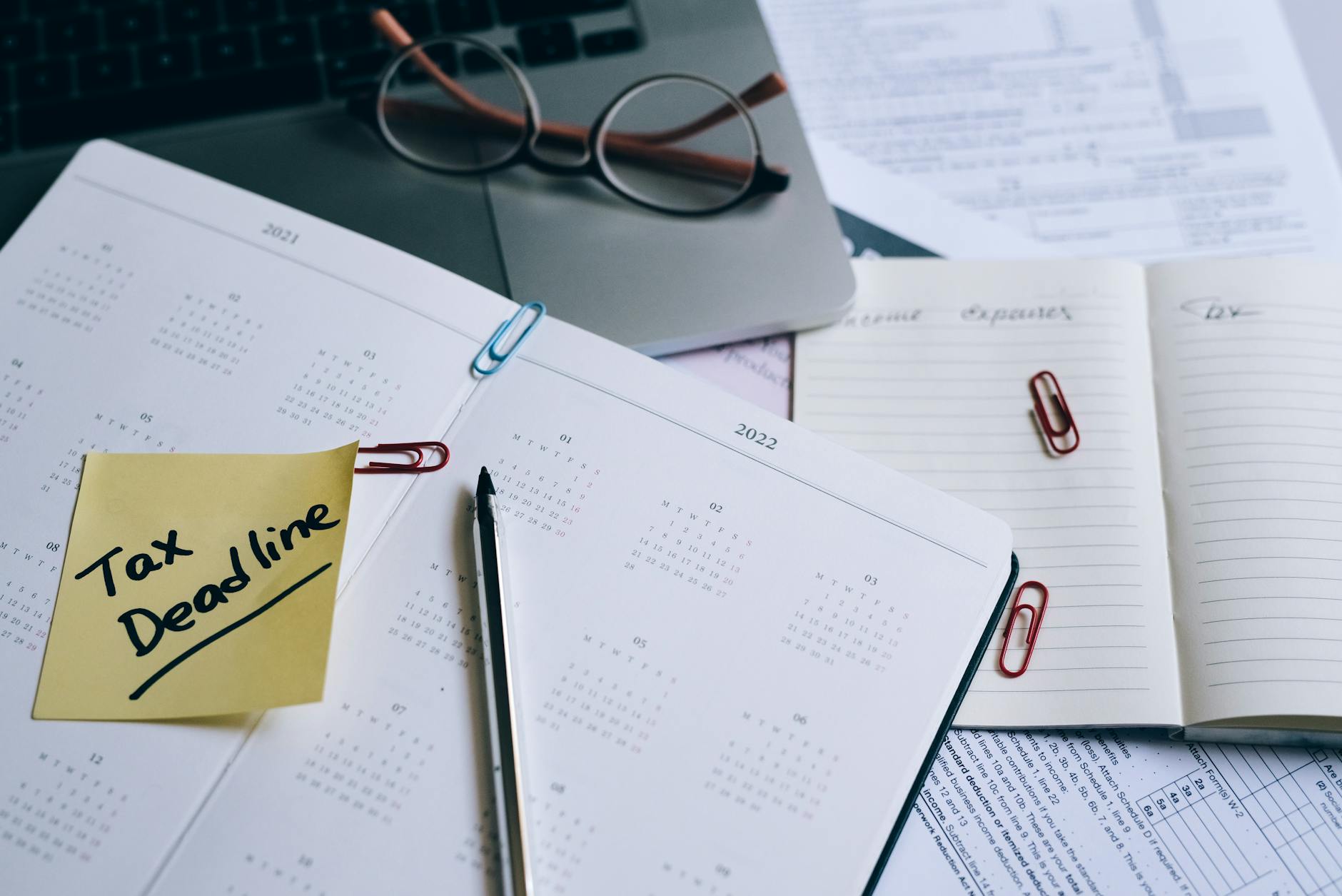
- Missing Deadlines: Tax returns for the 2023 tax season are due on April 15, 2024. Missing this deadline can result in penalties and interest on any unpaid taxes.
- Neglecting Deductions: Small business owners often overlook valuable deductions. For instance, Form 1040 Schedule C allows you to deduct business expenses, but only if you keep thorough records.
How to File Taxes Correctly: A Step-by-Step Guide
Filing your taxes correctly is crucial to avoid headaches down the line. Here’s a step-by-step guide to help you through the process:
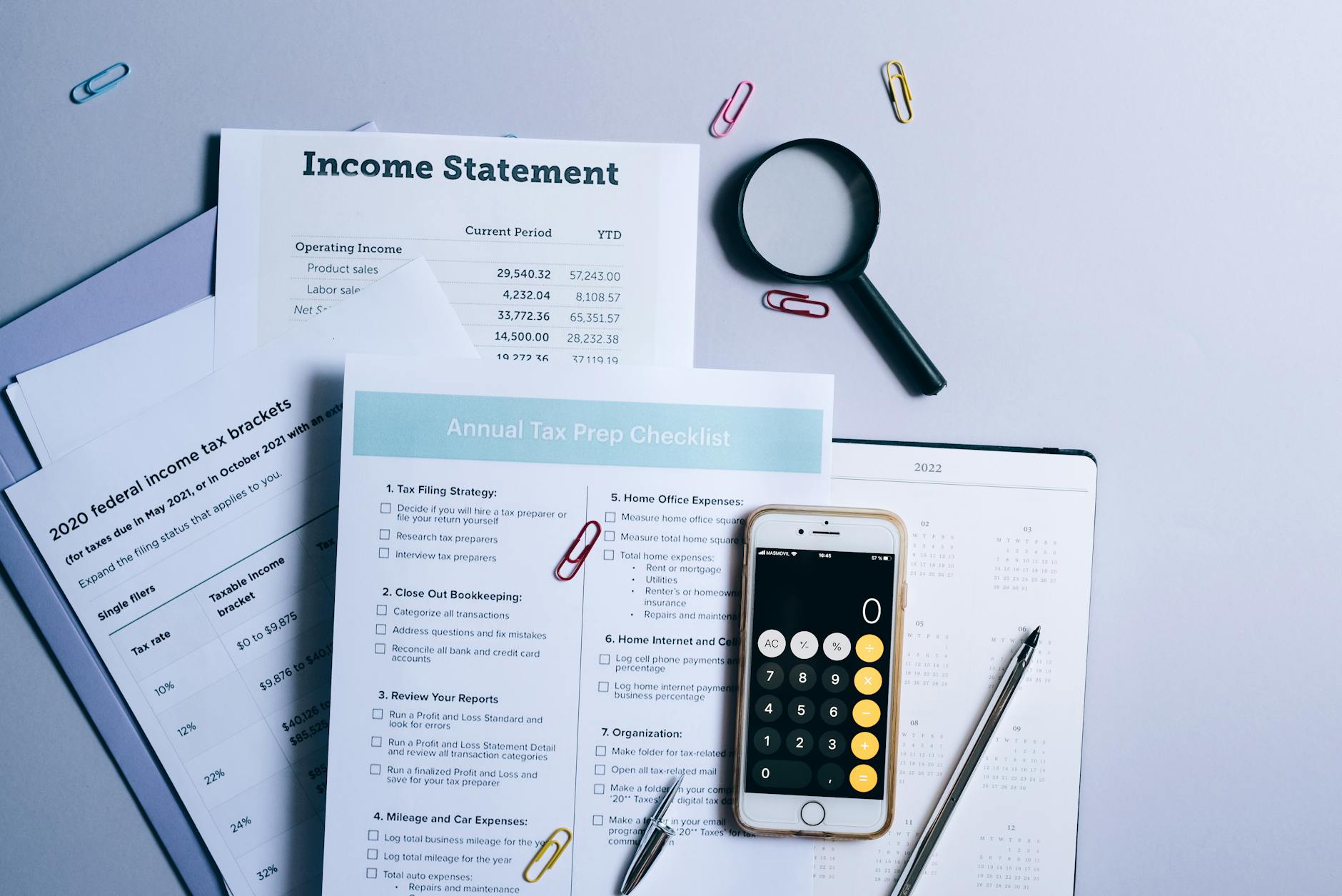
- Gather Your Documents: Collect all necessary documents, including W-2s, 1099s, and receipts for deductions. For small businesses, include Form 941 (Employer's Quarterly Federal Tax Return) if you have employees.
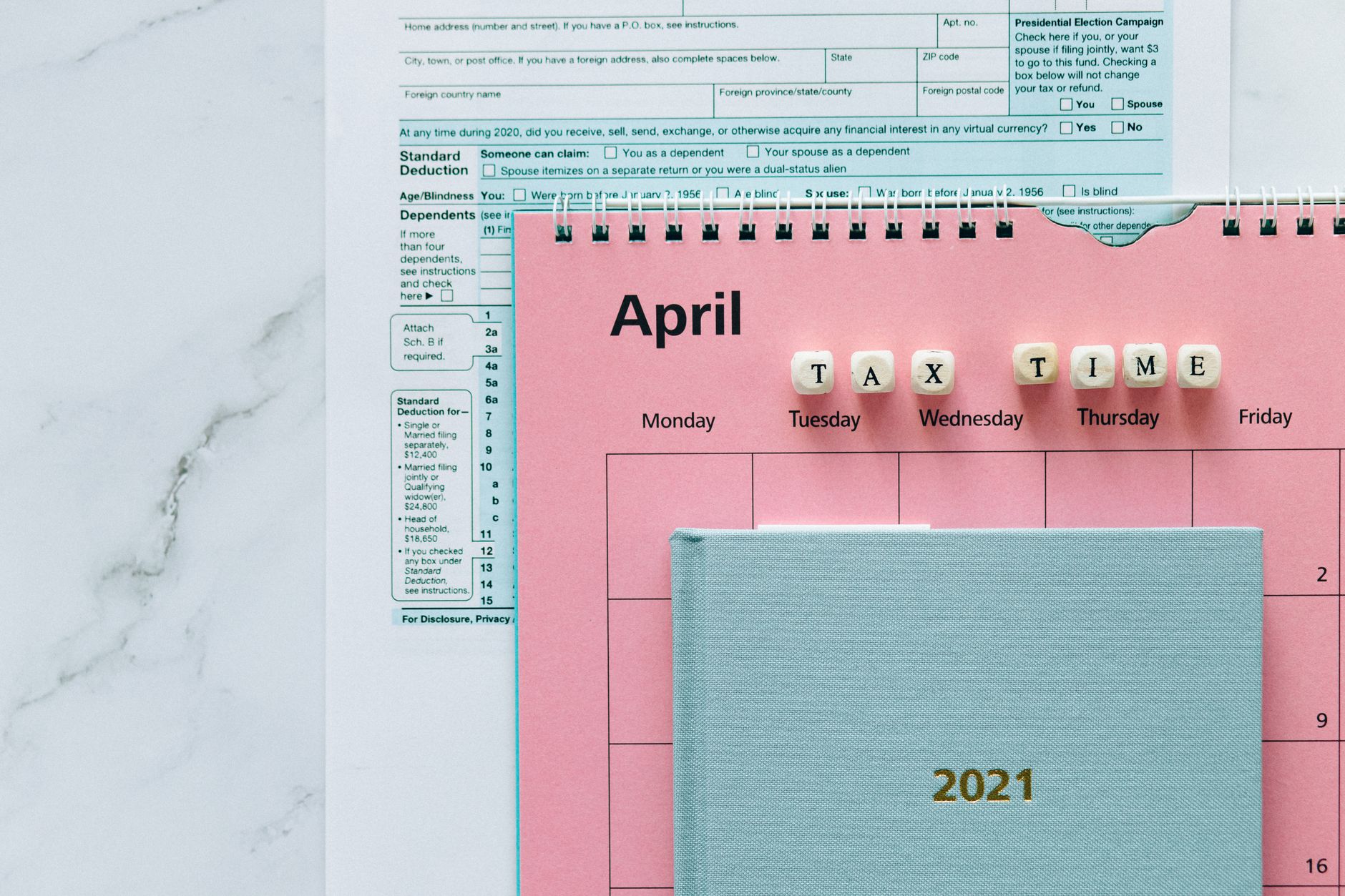
- Choose the Right Form: Depending on your situation, you may need to use different forms. Individual taxpayers typically use Form 1040, while businesses may need to file Form 1120 or 1065.
- Review and Double-Check: Before submitting, review your calculations and information. Consider using tax software or consulting a professional for accuracy.

Common Tax Errors and How to Avoid Them
Identifying common tax errors is the first step in avoiding them. Here are some of the most frequent mistakes and how to steer clear of them:
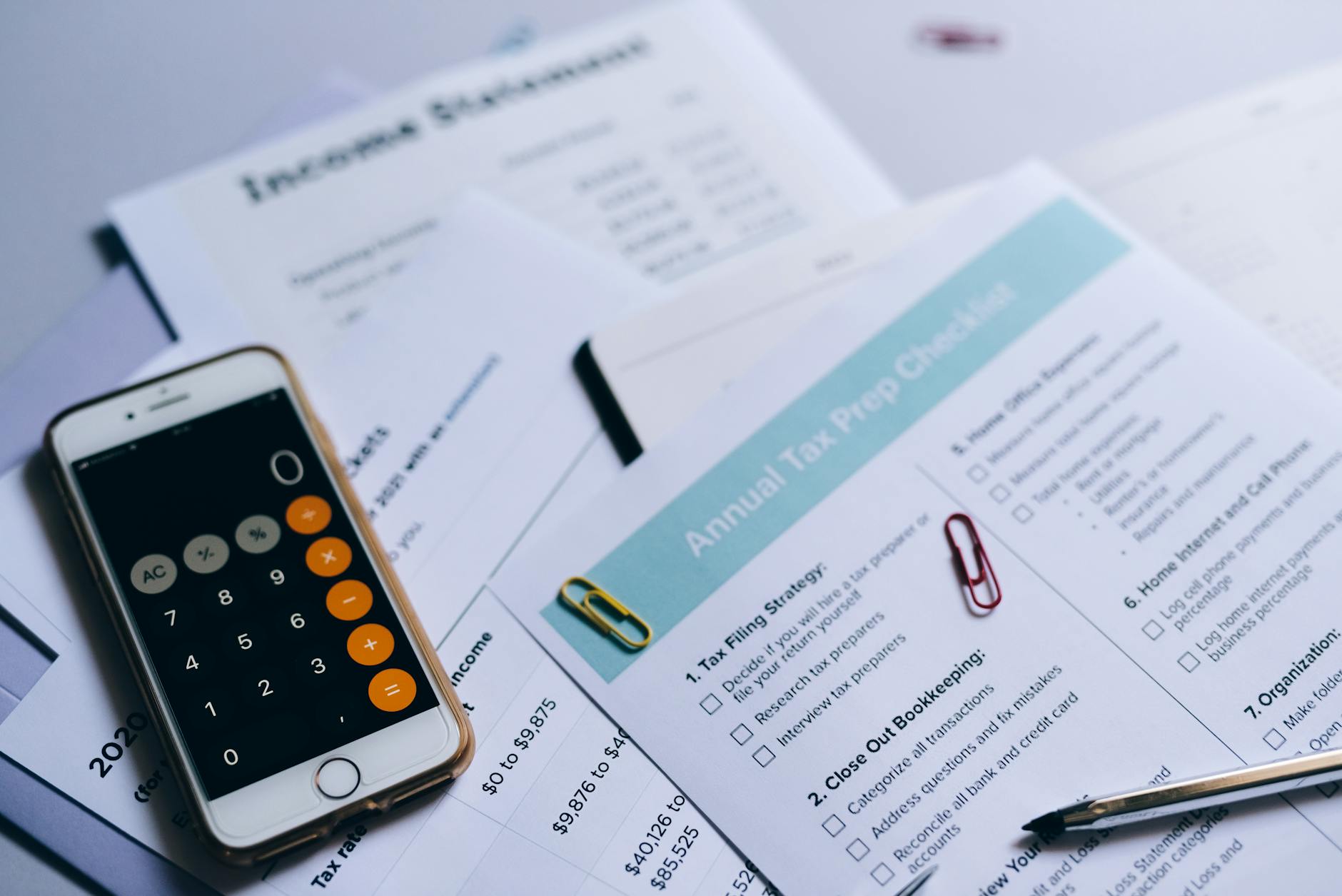
- Math Errors: Simple addition and subtraction mistakes can lead to incorrect tax liability. Always use a calculator or tax software that automatically calculates totals for you.
- Filing Status Errors: Choosing the wrong filing status can significantly affect your tax rate and eligibility for credits. Ensure you understand the differences between statuses like Single, Head of Household, and Married Filing Jointly.
- Ignoring State Taxes: Many individuals forget about state tax obligations. In California, for example, you need to file with the California Franchise Tax Board in addition to your federal return.
Tax Filing Tips for Small Business Owners
As a small business owner, you face unique challenges during tax season. Here are some tailored tips to help you file accurately and on time:
- Maintain Accurate Records: Keep detailed records of income and expenses throughout the year. This will make it easier to complete your tax return and maximize deductions.
- Understand Your Deductions: Familiarize yourself with common business deductions, such as home office deductions and vehicle expenses. Use IRS Form 8829 for home office deductions.
- Consult Professionals: If you’re uncertain about any aspect of your tax filing, seek small business tax help from a qualified expert. They can guide you through complex rules and ensure compliance.

Key Takeaways for a Smooth Tax Season
To summarize, here are some key takeaways to help you navigate tax season effectively:
- Double-check all personal information for accuracy.
- Be aware of filing deadlines and plan ahead.
- Keep thorough records of all income and expenses.
- Consult IRS guidelines or seek professional help when needed.
- Take advantage of all available deductions to minimize your tax liability.
Frequently Asked Questions
What should I do if I missed the tax filing deadline?
If you missed the April 15 deadline, file your return as soon as possible to minimize penalties. You may also want to file for an extension for future tax seasons.
How can I maximize my tax deductions?
To maximize deductions, keep detailed records of all expenses, understand eligible deductions, and consider consulting a tax professional.
What forms do I need to file as a small business owner?
Typically, small business owners will need to file Form 1040 with Schedule C for sole proprietorships, or Form 1120 for corporations.
Can I file my taxes online?
Yes, you can file your taxes online using IRS e-file or through various tax preparation software. Make sure to choose a reputable platform.
What if I can’t pay my taxes on time?
If you can't pay your taxes on time, file your return anyway to avoid additional penalties. You can set up a payment plan with the IRS.
Disclaimer: This content is for informational purposes only and should not be considered tax advice. Consult with a tax professional for personalized guidance.
Need expert tax help?
Cerritos-based Enrolled Agents helping individuals and businesses nationwide with filing, IRS issues, and bookkeeping.