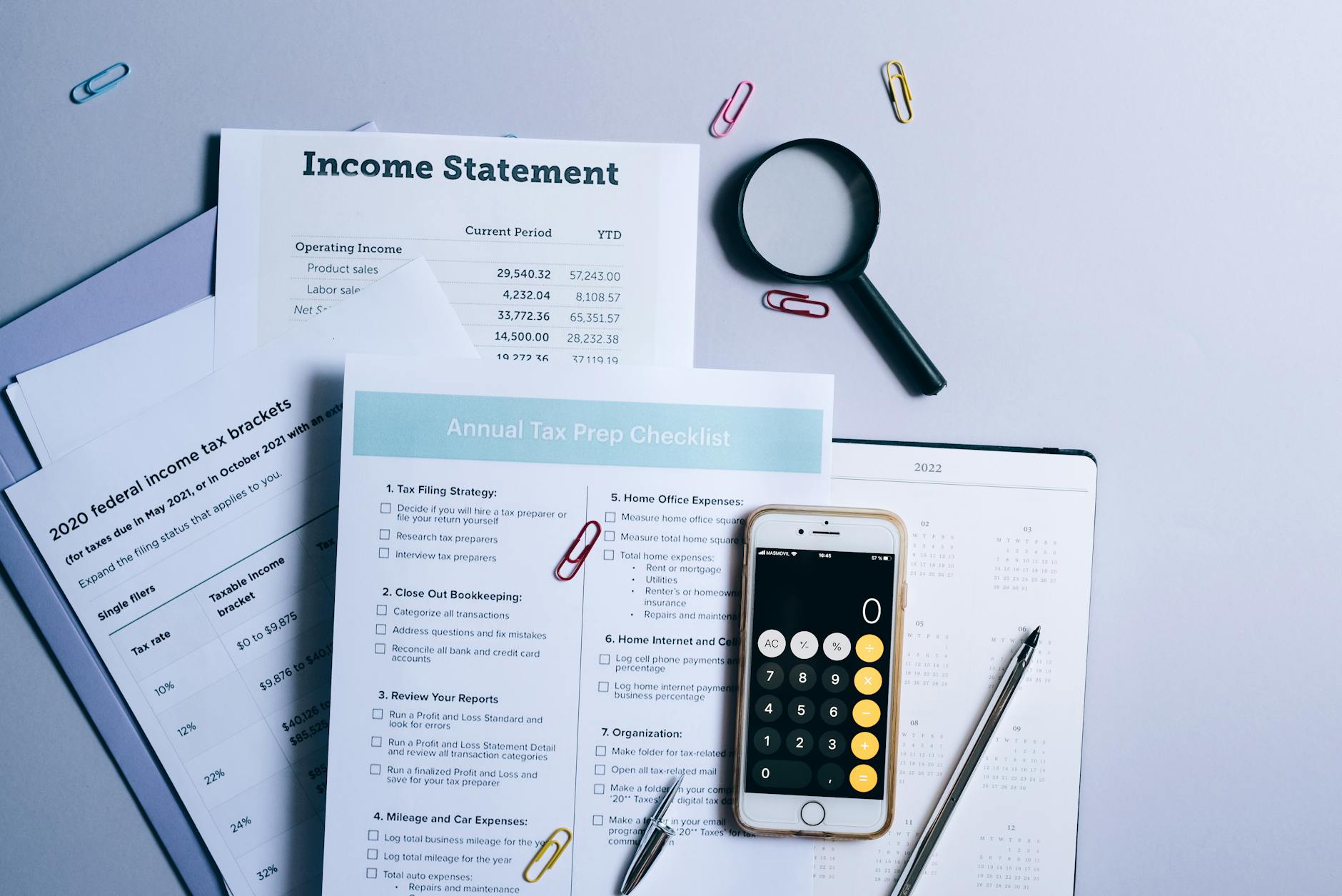
Avoiding Common Tax Mistakes Before the Deadline
Avoid tax pitfalls with our expert tips! Learn common errors to watch for this season, ensuring a smooth tax filing experience.
Introduction
Tax season can be a daunting time for many individuals and small business owners. With deadlines looming and paperwork piling up, it's easy to make mistakes that could lead to penalties or delayed refunds. This blog post will guide you through common tax mistakes and provide actionable tax filing tips to help you navigate the tax landscape with confidence. By the end of this article, you'll be well-equipped to avoid the pitfalls that often trip up taxpayers as the April 15 deadline approaches.
Understanding Common Tax Mistakes
Many taxpayers unknowingly fall into the trap of common errors during the tax filing process. These mistakes can range from simple arithmetic errors to more complex issues related to deductions and credits. Here are some of the most prevalent tax mistakes:
- Incorrect Personal Information: One of the simplest yet most frequent errors is entering incorrect personal information, such as your Social Security number (SSN) or your name as it appears on your Social Security card. Always double-check this information to avoid processing delays.
- Filing Status Errors: Selecting the wrong filing status can lead to overpaying taxes or missing out on valuable credits. Ensure you understand the difference between statuses like Single, Married Filing Jointly, and Head of Household.
- Math Errors: Simple addition and subtraction mistakes can lead to significant consequences. Use tax software or a calculator to verify your figures when completing forms like the 1040.
Missing Out on Deductions and Credits
Many taxpayers miss out on deductions and credits they qualify for, which can significantly affect their tax bill. Here are some common deductions and credits to consider:
- Standard Deduction vs. Itemized Deductions: For the tax year 2022, the standard deduction is $12,950 for single filers and $25,900 for married couples filing jointly. Assess whether itemizing your deductions on Schedule A could yield a better tax outcome.
- Earned Income Tax Credit (EITC): This credit is designed to benefit low to moderate-income working individuals and families. Make sure to check your eligibility as it can reduce your tax liability significantly.

Filing Late or Not at All
Missing the tax deadline can result in hefty penalties. The IRS imposes a failure-to-file penalty, which is typically 5% of the unpaid tax for each month your return is late, up to 25%. To avoid this, keep the following tips in mind:
- Know Your Deadlines: For tax year 2022, the deadline is April 18, 2023. If you need more time, consider filing for an extension using Form 4868, which gives you an additional six months to file but does not extend the payment deadline.
- Consider Electronic Filing: E-filing can expedite the process and reduce the chances of errors. The IRS reports that e-filing is faster and more secure than paper filing.
Documentation and Record Keeping
Proper documentation is crucial for a smooth tax filing experience. Missing documentation can lead to incorrect filings or missed deductions. Here are some tips:
- Organize Your Records: Keep all tax-related documents, such as W-2s, 1099s, and receipts for deductions, organized and readily accessible.
- Retain Records for Future Reference: The IRS recommends keeping your tax records for at least three years. However, if you file a claim for a refund, keep records for at least three years from the date you filed your return.

Getting Professional Help
Sometimes, the best way to avoid tax mistakes is to seek help from a qualified professional. Enrolled Agents, like those at Libre Tax Service, are licensed by the IRS to represent taxpayers. Here’s how professional help can benefit you:
- Expertise in Tax Law: Tax laws can be complex and frequently change. A tax professional stays updated on the latest regulations and can help navigate your specific situation.
- Personalized Guidance: An Enrolled Agent can provide tailored advice based on your unique circumstances, ensuring you take advantage of all available deductions and credits.
Frequently Asked Questions
What are the most common tax filing mistakes?
Common mistakes include incorrect personal information, math errors, and missing deductions. Always double-check your entries before submission.
How can I avoid penalties for late filing?
File on time or apply for an extension using Form 4868. However, remember that this only extends the filing deadline, not the payment deadline.
What is the standard deduction for 2022?
For 2022, the standard deduction is $12,950 for single filers and $25,900 for married couples filing jointly.
How long should I keep my tax records?
The IRS recommends keeping tax records for at least three years, but keep them longer if you claim a refund or if you have special circumstances.
Why should I consider hiring a tax professional?
A tax professional can help you navigate complex tax laws, maximize deductions, and provide personalized advice to suit your financial situation.
Disclaimer: The information provided in this blog post is for informational purposes only and should not be considered tax advice. Please consult with a qualified tax professional for personalized assistance.
Need expert tax help?
Cerritos-based Enrolled Agents helping individuals and businesses nationwide with filing, IRS issues, and bookkeeping.