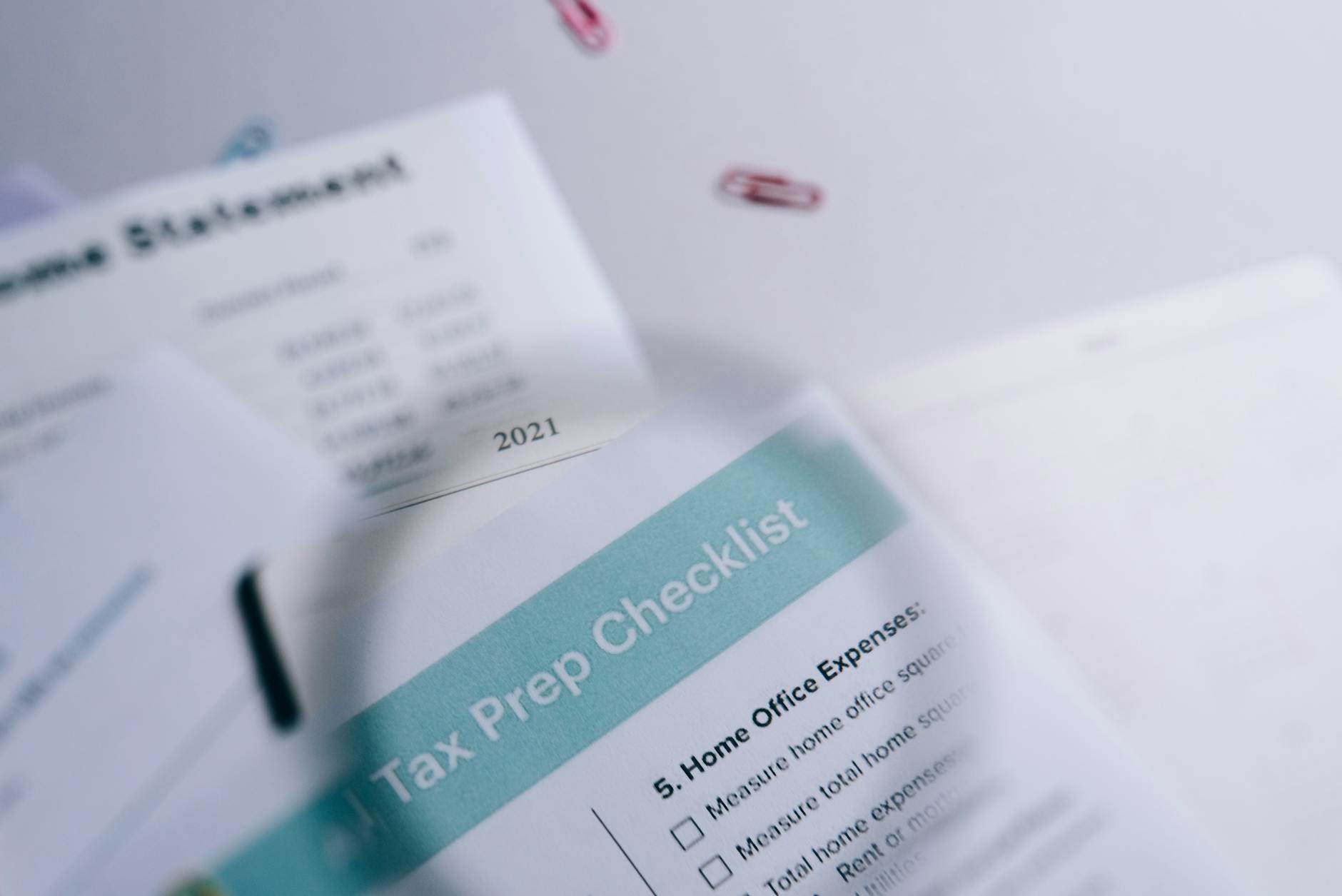
Tax Season Survival Guide: How to Tackle Last-Minute Bookkeeping Errors
Avoid last-minute bookkeeping errors this tax season with our survival guide. Get expert tips and insights to streamline your tax preparation.
Introduction: Conquering Tax Season Bookkeeping
As tax season approaches, many individuals and small business owners find themselves in a frenzy, scrambling to prepare their financial documents. With deadlines looming and tax laws constantly changing, the potential for last-minute tax errors increases dramatically. However, with the right strategies, you can tackle these challenges head-on and ensure a smooth filing process.
In this guide, we'll explore practical steps you can take to avoid last-minute bookkeeping errors, understand the critical deadlines, and get the tax help you need. By the end of this article, you'll be well-equipped to navigate tax season with confidence.
Understanding Common Last-Minute Tax Errors
Before diving into solutions, it’s essential to recognize the common pitfalls that individuals and small business owners face during tax season:
- Inaccurate Income Reporting: Failing to report all income sources can trigger audits and penalties. Ensure that you have all 1099 forms and W-2 statements in hand.
- Improper Deduction Claims: Misunderstanding what qualifies as a deductible expense can lead to missed opportunities or overstatements. Familiarize yourself with IRS Publication 535 for clarity.
- Missing Deadlines: The filing deadline for individual tax returns (Form 1040) is typically April 15. For small businesses, deadlines may vary based on your entity type.
- Neglecting State Taxes: Many overlook state tax obligations, which can lead to additional penalties. Check your state’s requirements for compliance.
Essential Bookkeeping Practices for Tax Season
Establishing solid bookkeeping practices can help mitigate the risk of last-minute errors:
- Organize Your Records: Keep all receipts, invoices, and financial statements in one place. Consider digital tools like QuickBooks or Xero for efficient management.
- Regular Reconciliation: Monthly reconciliation of your bank statements can help catch discrepancies early. This practice ensures that your financial records align with your actual transactions.
- Use Accounting Software: Invest in accounting software that suits your business needs. Software can automate many tasks and reduce human error.
Remember, having organized records not only eases the tax preparation process but also provides peace of mind throughout the year.

Leveraging Professional Tax Help
While many may attempt to handle their taxes independently, enlisting the help of a tax professional can save time and reduce errors:
- Expert Knowledge: Tax professionals, like those at Libre Tax Service, are well-versed in the latest tax laws and can help identify deductions you may have missed.
- Audit Support: In the event of an audit, having a professional on your side can ease the stress and streamline the process.
- Personalized Guidance: A tax expert can provide tailored advice based on your unique financial situation, ensuring optimal tax outcomes.
Finalizing Your Tax Return: Key Steps
As you approach the end of the tax season, follow these final steps to ensure your return is accurate:
- Double-Check Information: Review all entries on your tax forms for accuracy. Pay special attention to names, Social Security numbers, and financial figures.
- File Electronically: Consider filing your taxes electronically. E-filing can reduce errors and expedite refunds.
- Keep Copies: Save copies of your filed returns and supporting documents for at least three years. This practice will be helpful in case of future inquiries.

Key Takeaways for a Smooth Tax Season
- Stay organized and keep track of all income sources and expenses.
- Understand the deadlines associated with your tax obligations.
- Utilize professional tax help to ensure compliance and maximize deductions.
- Review your tax return thoroughly before filing.
- Maintain good bookkeeping practices year-round to ease tax season stress.
Frequently Asked Questions
What is the filing deadline for individual tax returns?
Typically, the deadline for filing individual tax returns (Form 1040) is April 15. If this date falls on a weekend or holiday, it may be extended to the next business day.
How can I find out what deductions I qualify for?
Review IRS Publication 535 for detailed information on business expenses and deductions. Consulting a tax professional can also provide personalized insights.
What should I do if I missed the tax filing deadline?
If you missed the deadline, it’s important to file your return as soon as possible to minimize penalties. You may also want to consult a tax professional for assistance.
Disclaimer: The content provided in this blog is for informational purposes only and should not be construed as tax advice. For personalized tax assistance, please consult a tax professional.
Need expert tax help?
Cerritos-based Enrolled Agents helping individuals and businesses nationwide with filing, IRS issues, and bookkeeping.