Essential Steps to Correct Bookkeeping Mistakes This Tax Season
Ensure accurate financial records this tax season with essential steps to correct bookkeeping mistakes. Avoid costly errors with our expert tips.
Introduction
As tax season approaches, many small business owners and individuals find themselves wrestling with the daunting task of preparing their financial records. If you've been keeping your own books, you might have encountered a few bookkeeping mistakes that could lead to costly errors when filing your taxes. In this blog post, we'll explore essential steps to identify and correct those mistakes, ensuring your financial accuracy and helping you prepare for any potential IRS audits.
By the end of this article, you'll have actionable advice to rectify your bookkeeping issues and maintain precise records as you navigate this tax season.
Understanding Common Bookkeeping Mistakes
Before diving into corrective measures, it's vital to understand the common bookkeeping mistakes that often arise. Whether you're a seasoned small business owner or new to bookkeeping, you might encounter the following:
- Data Entry Errors: Simple typos can lead to significant discrepancies.
- Misclassification of Expenses: Failing to categorize expenses correctly can affect your tax deductions.
- Neglecting Receipts: Not keeping track of receipts can lead to unsubstantiated deductions.
- Inaccurate Reconciliations: Failing to reconcile bank statements can result in overlooked transactions.
Identifying these mistakes is the first step toward correcting them, ensuring your financial records are accurate and reliable.
Step 1: Review Your Financial Records
Start by conducting a thorough review of your financial records. This includes your income statements, balance sheets, and cash flow statements. Look for any discrepancies and ensure that all figures align with your bank statements and receipts.
Consider using accounting software to help automate this process. Tools like QuickBooks or FreshBooks can simplify tracking and identifying errors in your records.
As you review, ask yourself:
- Are all transactions documented?
- Have all income and expenses been recorded?
- Are there any missing invoices or receipts?
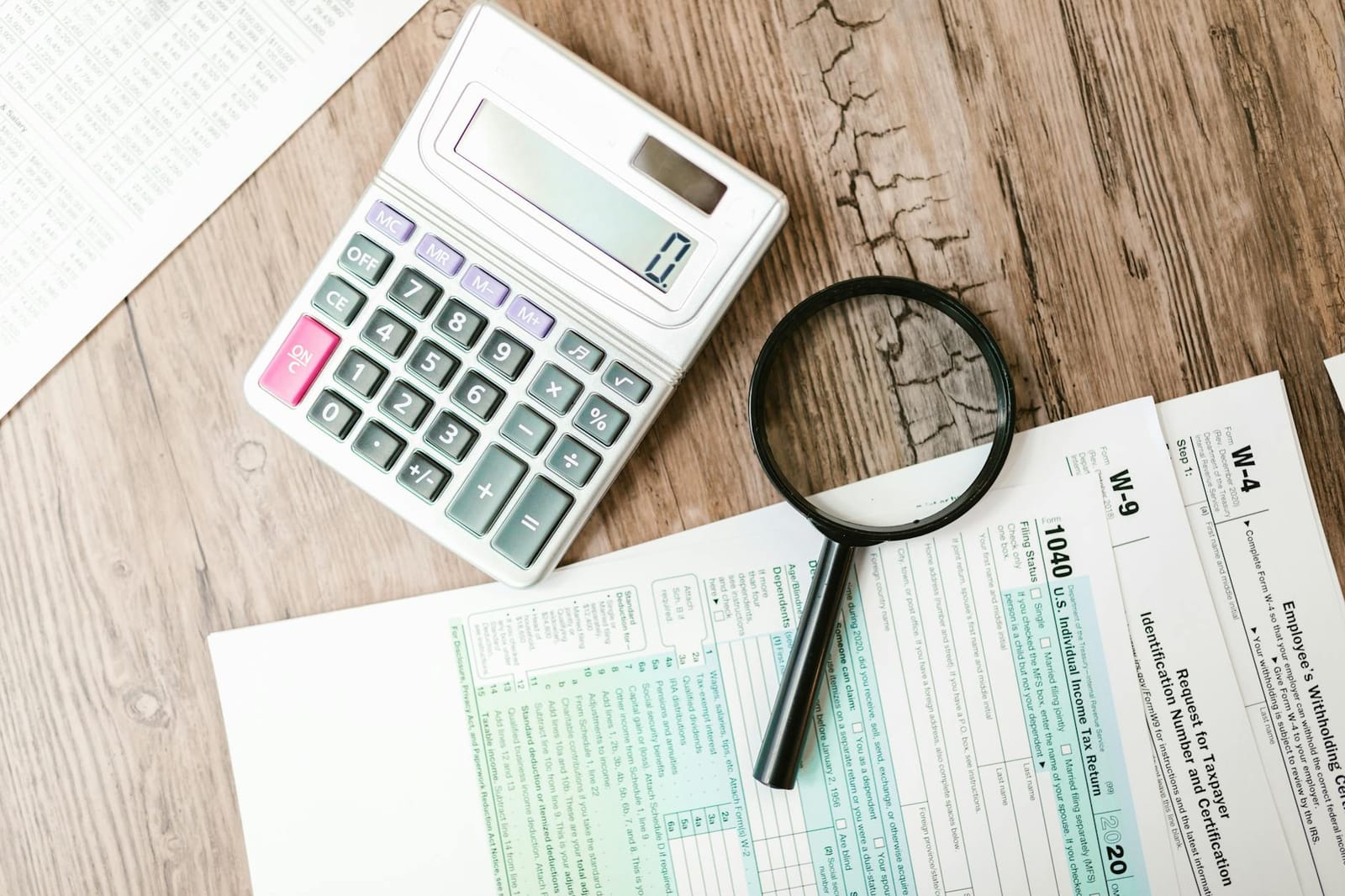
Step 2: Correcting Data Entry Errors
Data entry errors are among the most common bookkeeping mistakes. If you've spotted any typos or incorrect entries, correct them immediately. Use the following guidelines:
- Double-Check Entries: Verify that all entries match your bank statements and source documents.
- Make Adjustments: If an entry was recorded incorrectly, make the necessary adjustments in your accounting software.
- Document Changes: Keep a record of any changes made for future reference.
The IRS requires accurate reporting, so addressing these errors promptly is crucial.
Step 3: Classifying Expenses Correctly
Expense misclassification can lead to missed deductions and potential issues during an IRS audit. Ensure that each expense is categorized correctly according to IRS guidelines. For instance, meals and entertainment may have different deductibility rules than office supplies.
Review IRS Publication 535, which outlines business expenses and their classifications. This will help you understand how to categorize your expenses accurately:
- Deductible vs. Non-Deductible: Familiarize yourself with what qualifies as a deductible expense.
- Consult IRS Forms: Refer to Schedule C for sole proprietors or Form 1065 for partnerships to ensure accuracy in reporting.
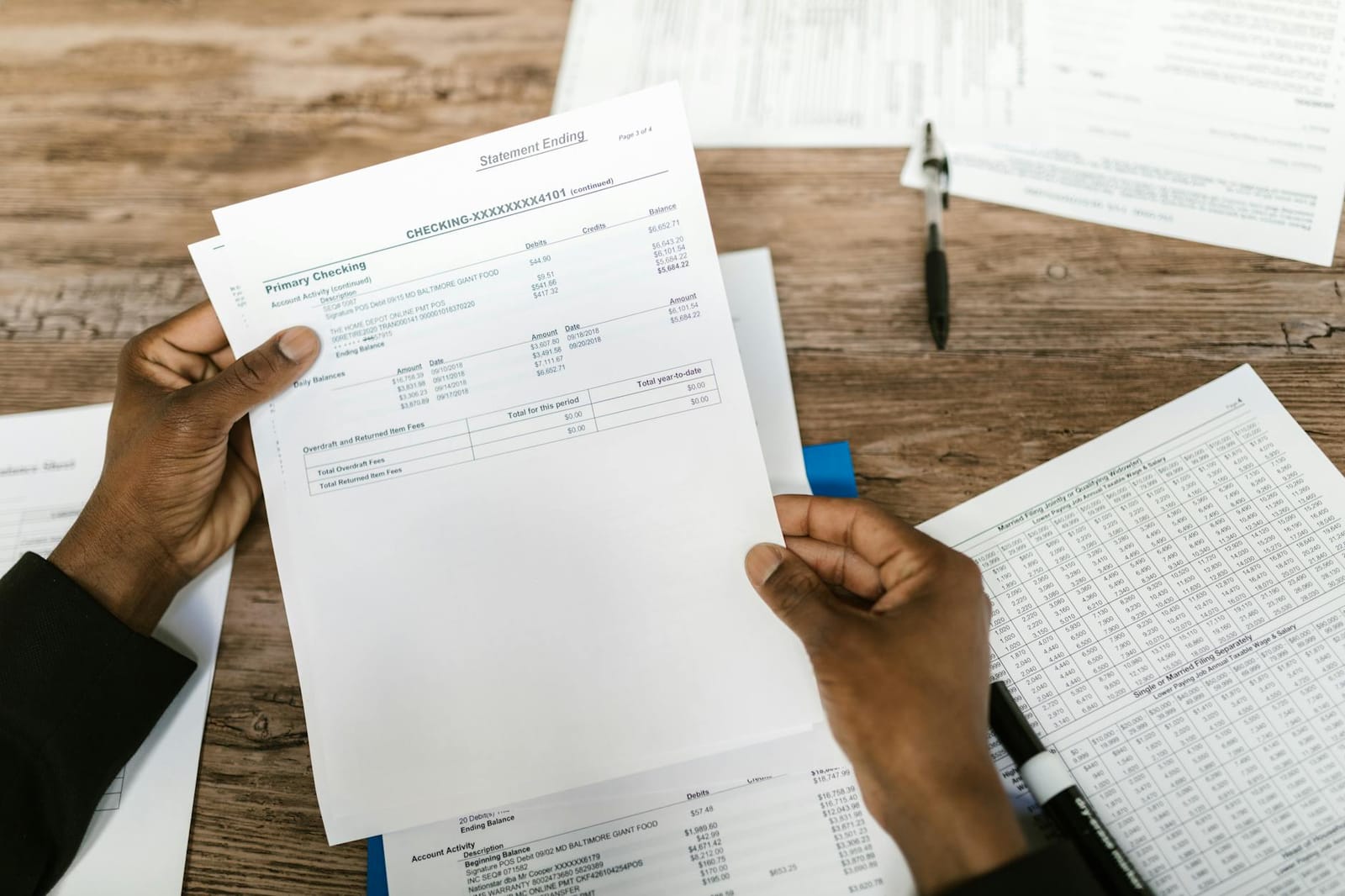
Step 4: Documenting Receipts and Invoices
Missing receipts can undermine your claims for deductions. Make it a practice to document all receipts and invoices promptly. Here are some tips to streamline this process:
- Digital Storage: Use apps that allow you to scan and store receipts electronically.
- Regular Updates: Set a routine, such as weekly or monthly, to update your records and organize receipts.
- Back-Up Your Data: Always have a backup of your financial records, whether digital or paper.
This diligence will not only help you during tax season but also prepare you for any potential IRS audits.
Step 5: Regular Reconciliation
Regular reconciliation of your accounts is essential for maintaining financial accuracy. This involves comparing your internal records with bank statements to ensure they match. Here’s how to do it:
- Monthly Reconciliation: Schedule monthly reconciliations to catch discrepancies early.
- Use Checklists: Create a checklist to ensure all transactions are accounted for during reconciliation.
- Consult with a Professional: If you’re unsure, consider working with an enrolled agent or accountant who can guide you through this process.
Reconciliation can help you avoid surprises at tax time and ensure that your books are in order.

Key Takeaways
- Identify and review common bookkeeping mistakes you may have made.
- Correct data entry errors as soon as they are detected.
- Ensure all expenses are classified correctly according to IRS guidelines.
- Document all receipts and invoices promptly to substantiate your deductions.
- Regularly reconcile your accounts to maintain financial accuracy.
FAQs
- What should I do if I find a mistake after filing my taxes? You can file an amended return using IRS Form 1040-X if you find mistakes after filing.
- How can I prepare for an IRS audit? Maintain organized records, ensure accurate reporting, and consult a tax professional for guidance.
- Are there specific deadlines for correcting bookkeeping mistakes? While there are no specific deadlines, rectifying errors as soon as they are discovered is crucial, especially before filing deadlines.
- What software can help me avoid bookkeeping mistakes? Tools like QuickBooks, FreshBooks, and Xero can help streamline your bookkeeping process.
Call to Action
Are you still feeling overwhelmed by your bookkeeping this tax season? At Libre Tax Service, we specialize in helping individuals and small business owners correct their bookkeeping mistakes and ensure financial accuracy. Contact us at (562) 925-7100 or email [email protected] for personalized tax season help. Let us guide you through the process and help you avoid costly errors.
About Libre Tax Service
Located in Cerritos, CA, Libre Tax Service is a trusted Enrolled Agent firm dedicated to providing expert tax services nationwide. Our team understands the complexities of tax regulations and bookkeeping, ensuring you have the support you need for accurate financial records and peace of mind. Whether you're preparing for tax season or facing an IRS audit, we are here to help.
Frequently Asked Questions
What should I do if I find a mistake after filing my taxes?
You can file an amended return using IRS Form 1040-X if you find mistakes after filing.
How can I prepare for an IRS audit?
Maintain organized records, ensure accurate reporting, and consult a tax professional for guidance.
Are there specific deadlines for correcting bookkeeping mistakes?
While there are no specific deadlines, rectifying errors as soon as they are discovered is crucial, especially before filing deadlines.
What software can help me avoid bookkeeping mistakes?
Tools like QuickBooks, FreshBooks, and Xero can help streamline your bookkeeping process.
Disclaimer: This content is for informational purposes only and should not be considered as professional tax advice.
Need expert tax help?
Cerritos-based Enrolled Agents helping individuals and businesses nationwide with filing, IRS issues, and bookkeeping.