Navigating Tax Season: How to Avoid Common IRS Pitfalls
Learn how to navigate tax season and avoid common IRS pitfalls with practical advice for individuals and small business owners.
Introduction
Tax season can feel like navigating a maze, filled with twists, turns, and potential pitfalls. With the IRS enforcing strict regulations, it’s crucial for both individuals and small business owners to stay informed and proactive. In this post, we’ll explore common IRS pitfalls that can lead to costly penalties, and offer practical tax season advice to help you sidestep these traps. By understanding the nuances of tax filing, you can not only save money but also reduce the stress associated with tax season.
Understanding Common IRS Pitfalls
As we dive deeper into the IRS pitfalls, it’s important to recognize just how easily mistakes can happen. Whether you’re filing as an individual or as a business, the IRS has specific rules that must be followed. Here are some common errors to avoid:
- Incorrect Information: Ensure that all names, Social Security numbers, and tax identification numbers are correct. Even a small typo can lead to significant delays and complications.
- Missing Deadlines: The deadline for filing your federal taxes is typically April 15th. However, if that date falls on a weekend or holiday, the deadline may shift. For 2024, keep in mind that the deadline is April 15.
- Neglecting Deductions: Many taxpayers miss out on valuable deductions. For example, self-employed individuals can deduct business expenses, while homeowners may qualify for mortgage interest deductions.
- Ignoring Tax Forms: Familiarize yourself with essential forms such as Form 1040 for individuals and Form 1065 for partnerships. Knowing which forms apply to you is crucial.
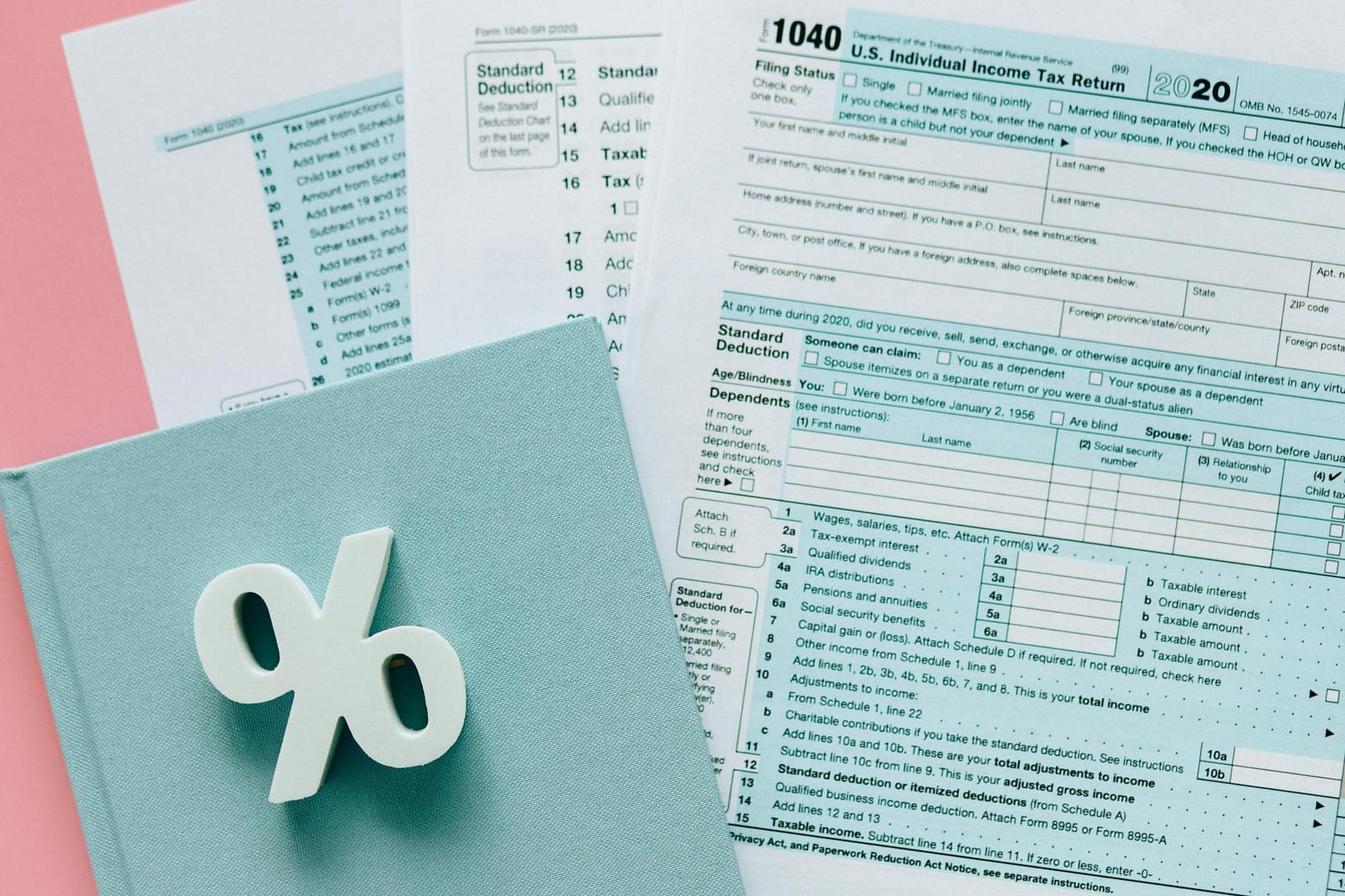
Tax Filing Errors to Watch For
Tax filing errors can happen to anyone, but they can be especially costly if you’re not diligent. Here are some of the most common mistakes to be aware of:
- Mathematical Errors: Double-check your calculations. Simple mistakes can lead to incorrect tax owed or refunds.
- Filing Status Mistakes: Choosing the wrong filing status can impact your tax liability. Make sure to select the one that accurately reflects your situation, whether it’s single, married filing jointly, or head of household.
- Failure to Sign and Date: Always remember to sign and date your tax return. An unsigned return is considered invalid and will not be processed.
- Omitting Income: Be thorough in reporting all income, including freelance work or side hustles. The IRS receives copies of all 1099 forms issued to you, and discrepancies can trigger audits.
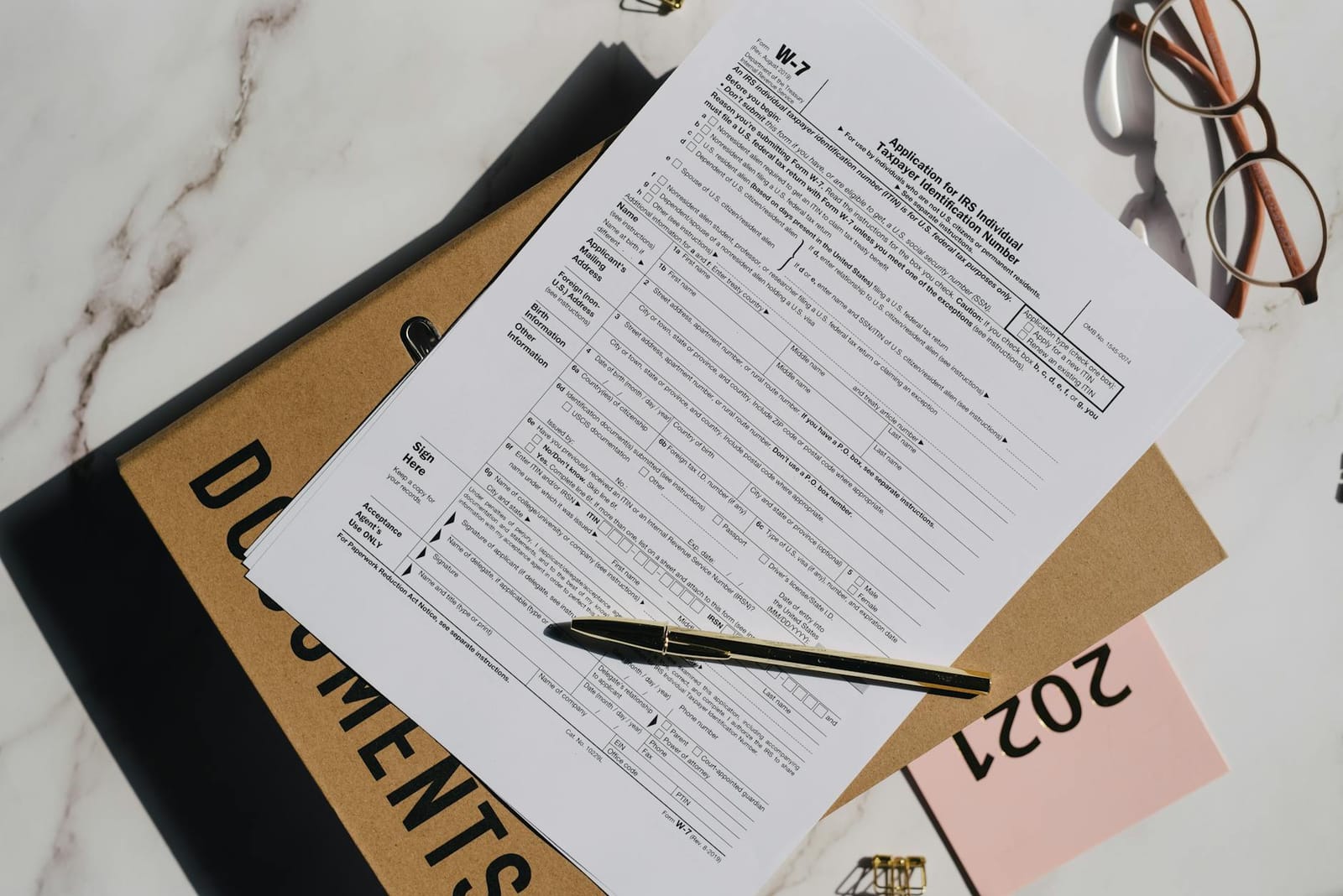
Key Tax Season Advice for Individuals
Now that we've highlighted the common pitfalls, let's focus on actionable tax season advice for individuals:
- Start Early: Begin gathering your tax documents as soon as the year ends. This includes W-2s, 1099s, and receipts for deductible expenses.
- Utilize IRS Resources: The IRS offers a wealth of resources, including tax calculators and instructional videos, to help you understand your obligations.
- Consider Professional Help: If your tax situation is complex, or if you feel overwhelmed, consider seeking IRS tax help from professionals like those at Libre Tax Service.
- Review Past Returns: Look over previous tax returns for insights into your filing patterns and potential deductions you might have missed.

Advice for Small Business Owners
For small business owners, tax season can be even more daunting. Here are some tailored tips:
- Keep Detailed Records: Maintain accurate records of all income and expenses throughout the year. This will make tax season much smoother.
- Understand Business Deductions: Familiarize yourself with deductions available to businesses, such as vehicle expenses, home office deductions, and startup costs.
- Set Aside Money for Taxes: Don’t forget to set aside a portion of your income for estimated taxes. This can prevent surprises at tax time.
- File on Time: Be aware of different deadlines, especially if you’re filing for a partnership or corporation. For example, Form 1065 is due March 15.
Key Takeaways
To summarize, here are some key takeaways to remember this tax season:
- Double-check all personal information and calculations.
- Be proactive about understanding your deductions and credits.
- Start early to avoid the last-minute rush.
- Consult with a tax professional if needed.
- Keep organized records throughout the year.
Frequently Asked Questions
What are some common IRS penalties?
Common IRS penalties include failure-to-file penalties, failure-to-pay penalties, and accuracy-related penalties for underreporting income.
How can I find IRS tax help?
You can find IRS tax help through the IRS website, local tax offices, or by consulting with a qualified tax professional like those at Libre Tax Service.
What should I do if I can't pay my taxes on time?
If you can’t pay your taxes on time, file your return anyway to avoid a failure-to-file penalty, and consider setting up a payment plan with the IRS.
Disclaimer: This blog post is for informational purposes only and should not be considered as tax advice. Please consult a tax professional for personalized assistance.
Need expert tax help?
Cerritos-based Enrolled Agents helping individuals and businesses nationwide with filing, IRS issues, and bookkeeping.