How to Prepare for Tax Audits: Tips for Individuals and Small Businesses
Prepare for tax audits with our expert tips for individuals and small businesses. Understand documentation and steps to stay audit-ready.
Introduction
Tax season can be stressful enough without the added worry of a tax audit. Whether you’re an individual taxpayer or a small business owner, knowing how to prepare for potential tax audits is crucial. In this blog post, we’ll cover practical steps and essential documentation you need to have on hand, as well as tips to navigate an audit should one arise. By the end of this guide, you'll feel more confident and prepared for anything the IRS might throw your way.
Understanding Tax Audits
Before diving into preparation strategies, it's essential to understand what a tax audit is. The IRS conducts audits to ensure that taxpayers are accurately reporting their income and expenses. There are three types of audits: correspondence audits, whereby the IRS requests documentation via mail; office audits, which take place at your local IRS office; and field audits, conducted at your home or business.
While audits can be intimidating, it's important to know that they are not necessarily a sign of wrongdoing. A small percentage of returns are audited each year, and proper preparation can greatly ease the process.

Key Documentation to Keep
One of the most critical steps in preparing for audits is maintaining good records. Here’s a list of essential documents to keep organized:
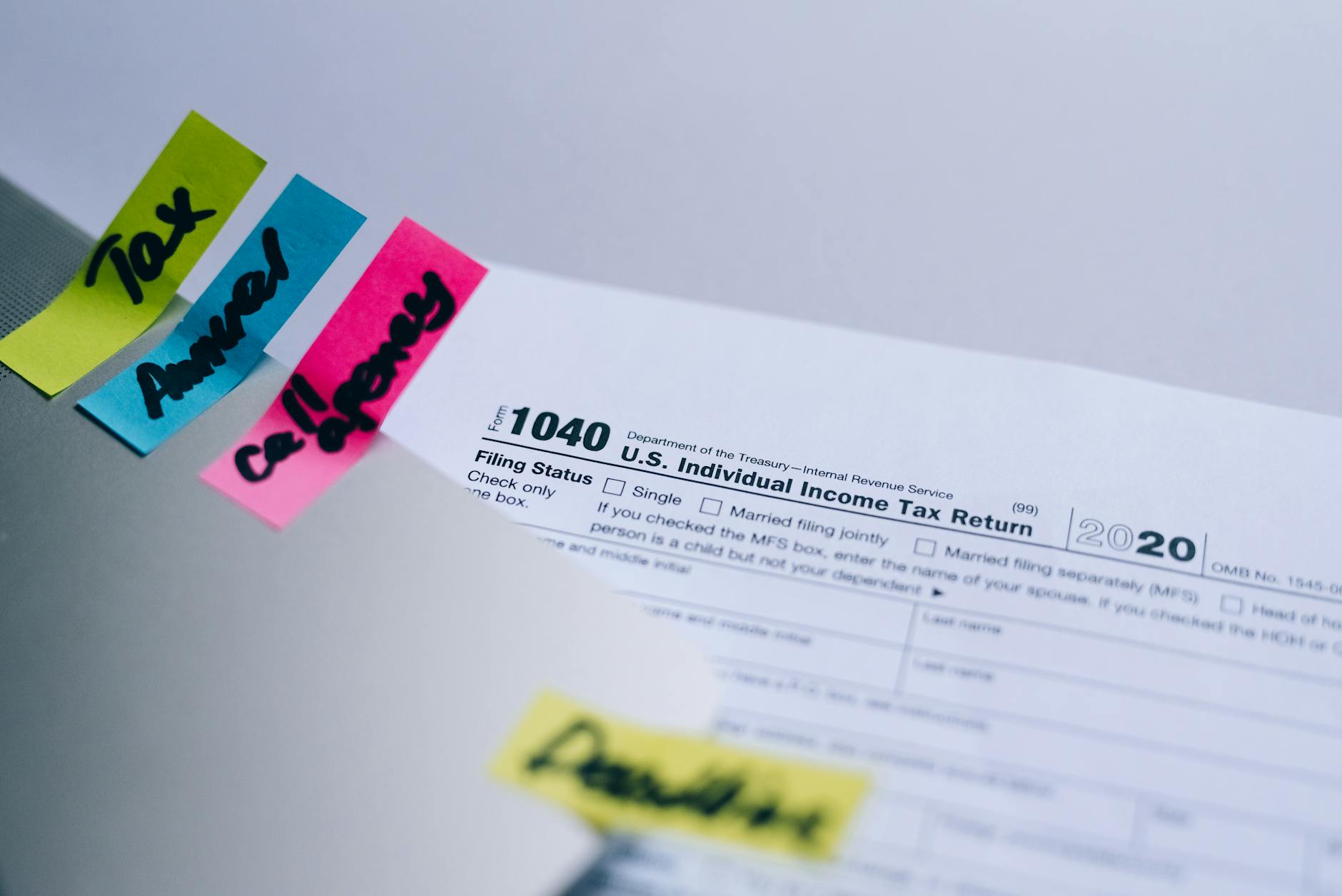
- Tax Returns: Keep copies of your past tax returns (Form 1040 for individuals, Form 1065 or 1120 for businesses) for at least three years.
- Receipts: Maintain receipts for all deductible expenses, including business expenses, medical expenses, and charitable donations.
- Bank Statements: Retain bank statements and credit card statements that support your reported income and expenses.
- Payroll Records: For small businesses, keep payroll records to substantiate wages paid and taxes withheld.
- Communication with the IRS: Store any correspondence you receive from the IRS regarding your tax filings.
Organizing these documents can save you time and stress in the event of an audit.

Audit Triggers: What to Avoid
Understanding what might trigger an IRS audit can help you avoid potential pitfalls. Here are some common red flags:
- High Deductions Relative to Income: If your deductions are disproportionately high compared to your income, it may raise suspicion.
- Unreported Income: Ensure all income is reported, including side jobs or freelance work.
- Inconsistent Information: Ensure that information on your tax return is consistent with that reported to the IRS by third parties (e.g., W-2s, 1099s).
- Large Cash Transactions: If your business deals with a significant amount of cash, be prepared to document those transactions.
By being aware of these triggers, you can take proactive steps to avoid them.

Steps to Take if You’re Audited
Receiving an audit notice can be nerve-wracking, but understanding the steps to take can ease your anxiety:
- Stay Calm: Remember, an audit does not automatically mean you did something wrong.
- Review the Audit Notice: Carefully read the notice to understand what the IRS is questioning.
- Gather Documentation: Compile all necessary documentation that supports your claims on your tax return.
- Seek Professional Help: Consider consulting with a tax professional or Enrolled Agent for guidance and representation.
- Respond Promptly: Ensure you respond to the IRS within the specified timeframe to avoid additional penalties.
Taking these steps can help you approach your audit with confidence.
Key Takeaways
- Maintain organized records of all tax-related documents.
- Be aware of potential audit triggers and take steps to avoid them.
- If audited, remain calm, gather documents, and seek professional help.
- Consider using IRS resources for additional guidance on audits.
Frequently Asked Questions
What should I do if I receive an audit notice from the IRS?
Stay calm, review the notice, gather your documentation, and consider seeking professional help.
How long does the IRS have to audit my return?
The IRS generally has three years from the date you filed your return to initiate an audit.
Can I represent myself during an audit?
Yes, you can represent yourself, but it's often beneficial to have a tax professional or Enrolled Agent assist you.
Disclaimer: The information provided in this blog post is for informational purposes only and should not be considered legal or tax advice. Please consult a tax professional for specific guidance.
Need expert tax help?
Cerritos-based Enrolled Agents helping individuals and businesses nationwide with filing, IRS issues, and bookkeeping.