How to Tackle Unfiled Tax Returns Before the Deadline
Facing unfiled tax returns? Discover actionable steps to comply with IRS deadlines and ensure peace of mind with expert guidance.
Understanding Unfiled Tax Returns
Unfiled tax returns can create significant stress for individuals and small business owners alike. If you find yourself in this situation, it's essential to understand what unfiled tax returns entail. An unfiled tax return is simply a tax return that has not been submitted to the IRS by the deadline. This can apply to any tax year, and if you haven’t filed your returns, you might be facing penalties, interest, or even legal repercussions.
In this blog, we’ll guide you through practical steps to tackle your unfiled tax returns, ensuring you meet IRS deadlines while reducing stress and potential penalties.
Why Filing Your Taxes is Crucial
Filing your taxes is not just a legal obligation; it’s a crucial step in maintaining financial health. When you fail to file your tax returns, the IRS can impose hefty penalties. For every month you delay, you could face penalties of 5% of your unpaid taxes, up to a maximum of 25%. This means that if you owe $1,000, you could be looking at $250 in penalties alone!
Moreover, failing to file can affect your ability to secure loans or mortgages, as lenders often require proof of filed taxes. It’s in your best interest to tackle those unfiled tax returns as soon as possible.
Steps to Address Your Unfiled Tax Returns
Addressing unfiled tax returns may seem daunting, but breaking it down into manageable steps can make it easier:
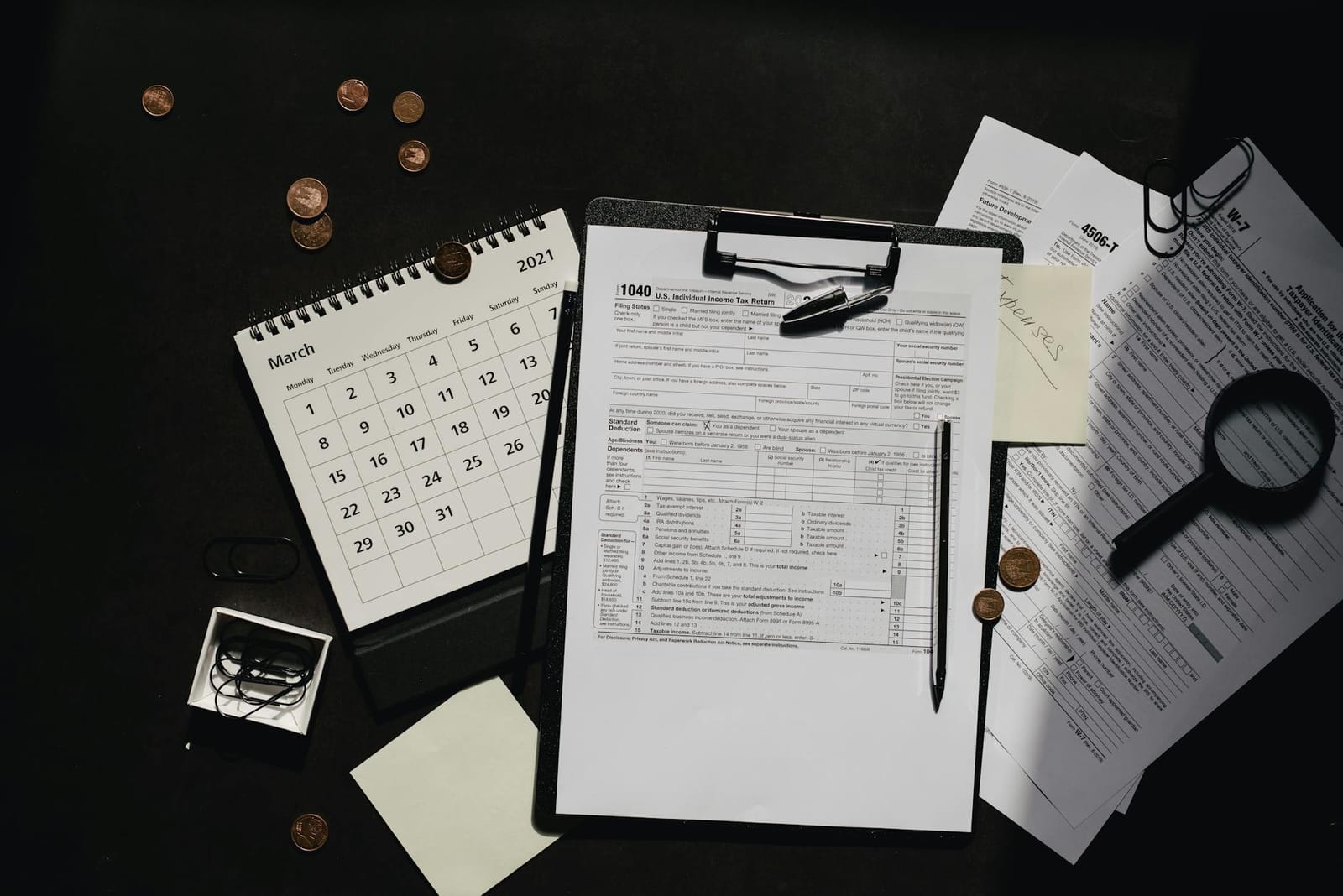
- Gather Your Documents: Start by collecting all necessary documents for the years you haven’t filed. This includes W-2s, 1099s, and any other income statements.
- Understand Your Tax Obligations: Know which years you need to file for. The IRS typically requires you to file returns for the last three years at a minimum to be in good standing.
- Consider Your Deductions: Be aware of any deductions or credits you may qualify for, as these can reduce your taxable income and potential liabilities.
- Use IRS Resources: The IRS provides numerous resources, including their Tax Help page, which has forms and guidelines to assist you.
- Seek Professional Tax Filing Help: Sometimes, the best course of action is to consult with a tax professional, especially if you have complex situations or multiple years of unfiled returns.
By following these steps, you can simplify the process and reduce your anxiety surrounding unfiled tax returns.
Understanding IRS Deadlines
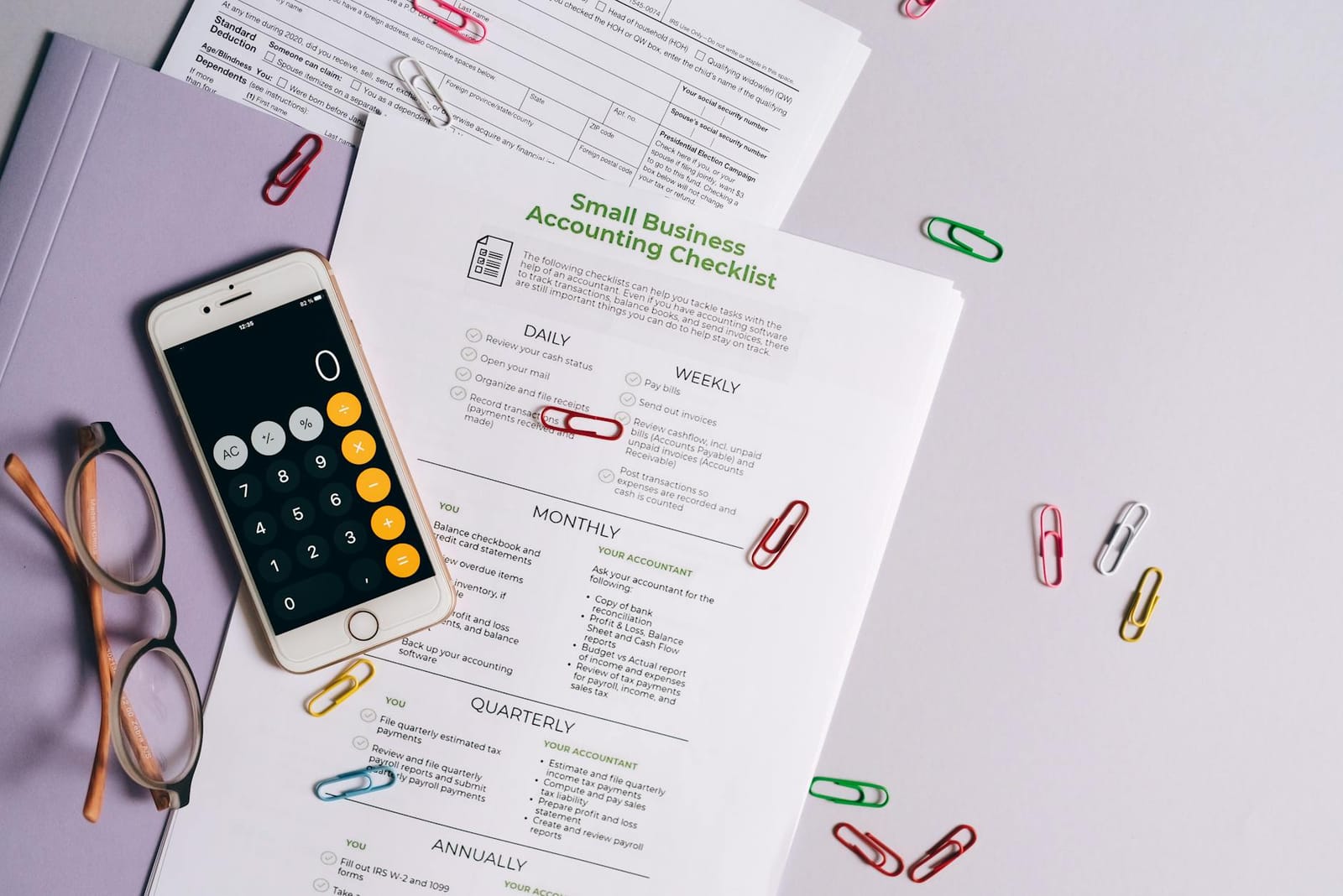
Being aware of IRS deadlines is vital when dealing with unfiled tax returns. For individual tax returns, the due date is typically April 15 of each year, unless this date falls on a weekend or holiday. In those cases, the deadline shifts to the next business day.
If you are filing late, it’s important to note that the IRS allows a three-year window to claim a refund. After that, you lose the right to claim your refund. However, you are still obligated to file returns for all years due, even if you are not expecting a refund.
For small businesses, the deadlines can vary depending on your business structure (e.g., sole proprietorship, partnership, corporation). Understanding these nuances can help you avoid complications with your filings.

Potential Consequences of Not Filing
Ignoring unfiled tax returns can lead to serious consequences. Apart from financial penalties, the IRS can take more severe actions:
- Tax Liens: The IRS can place a lien on your property, which can affect your credit score and your ability to sell your property.
- Wage Garnishments: If you owe back taxes, the IRS can garnish your wages, taking a percentage of your paycheck until your tax debt is satisfied.
- Legal Action: In extreme cases, the IRS may pursue criminal charges for tax evasion.
It’s crucial to take proactive steps to avoid these repercussions. Filing your returns, even late, is better than not filing at all.
Tips for Smooth Tax Filing
To ensure a smooth tax filing process, consider these tips:
- Stay Organized: Keep your financial documents organized throughout the year to make filing easier.
- File Electronically: E-filing is faster and often comes with benefits such as quicker refunds.
- Communicate with the IRS: If you can’t pay your taxes in full, contact the IRS to discuss your options, such as payment plans.
- Plan for the Future: Set aside funds throughout the year to avoid owing taxes when filing season arrives.
With these strategies, you can prepare for tax season and minimize the stress associated with unfiled tax returns.
Frequently Asked Questions
What should I do if I can't find my W-2 or 1099 forms?
If you can’t find your W-2 or 1099 forms, contact your employer or the financial institution that issued the form. They are required to provide you with a copy. You can also use Form 4852 to report your income if you cannot obtain a copy.
How can I avoid penalties for unfiled tax returns?
To avoid penalties, file your returns as soon as possible, even if you can’t pay in full. The IRS reduces penalties for timely filing, and you can arrange a payment plan for any owed taxes.
What if I owe more taxes than I can afford to pay?
If you owe more taxes than you can afford, consider applying for an IRS installment agreement or an Offer in Compromise, which may allow you to settle your tax debt for less than the full amount owed.
Can I still file my taxes if I missed the deadline?
Yes, you can still file your taxes after the deadline. However, you may incur penalties and interest on any taxes owed.
How long does it take for the IRS to process late returns?
Processing times for late returns can vary but generally take 6-8 weeks. E-filing can speed up the process.
Disclaimer: The information provided in this blog is for informational purposes only and should not be considered tax advice. Always consult with a qualified tax professional for guidance tailored to your specific situation.
Need expert tax help?
Cerritos-based Enrolled Agents helping individuals and businesses nationwide with filing, IRS issues, and bookkeeping.