Avoiding Costly Bookkeeping Mistakes This Tax Season
Discover key tips to avoid costly bookkeeping mistakes this tax season, ensuring smooth tax preparation for individuals and small businesses.
Introduction
Tax season can often feel like a rollercoaster ride for individuals and small business owners alike. As deadlines loom and documents pile up, the potential for bookkeeping mistakes increases significantly. But fear not! In this guide, we will explore common pitfalls and offer actionable strategies to help you navigate the often tumultuous waters of tax preparation. Whether you’re gearing up for individual tax filing or managing small business bookkeeping, you’ll walk away equipped with the knowledge to avoid costly errors this tax season.
Understanding Common Bookkeeping Mistakes
Before diving into solutions, it’s essential to identify the common bookkeeping mistakes that can derail your tax season.
- Neglecting Record Keeping: Failing to maintain accurate and timely records can lead to discrepancies when filing taxes.
- Miscalculating Income: Underreporting income, either by accident or oversight, can result in penalties from the IRS.
- Ignoring Business Expenses: Small business owners often overlook deductible expenses, missing out on potential tax savings.
- Mixing Personal and Business Finances: Not separating personal and business accounts complicates bookkeeping and tax filing.
- Missing Deadlines: Failing to file on time can lead to late fees and interest, adding to your tax burden.
Best Practices for Accurate Bookkeeping
To maintain accurate records and avoid mistakes, consider these best practices:
- Keep Everything Organized: Use accounting software or spreadsheets to track your finances. Ensure all documents are in one place.
- Regular Reconciliation: Monthly reconciliation of your bank statements helps catch errors early.
- Document Everything: Keep receipts, invoices, and other relevant documents organized for easy reference.
- Set Up Separate Accounts: Maintain distinct bank accounts and credit cards for business and personal use.
- Stay Informed: Keep abreast of IRS regulations and forms like the Schedule C for sole proprietors and Form 1065 for partnerships.

Leveraging Technology for Better Bookkeeping
In today’s digital age, technology can significantly enhance your bookkeeping practices. Consider these tools:
- Accounting Software: Programs like QuickBooks or FreshBooks can automate many bookkeeping tasks.
- Expense Tracking Apps: Apps like Expensify can help you track expenses on the go.
- Cloud Storage: Use services like Dropbox or Google Drive to keep your documents secure and accessible.
- Online Payment Systems: Utilizing services like PayPal or Square can simplify income tracking.
Preparing for Tax Season: Key Steps
As tax season approaches, preparation becomes crucial. Here are essential steps:
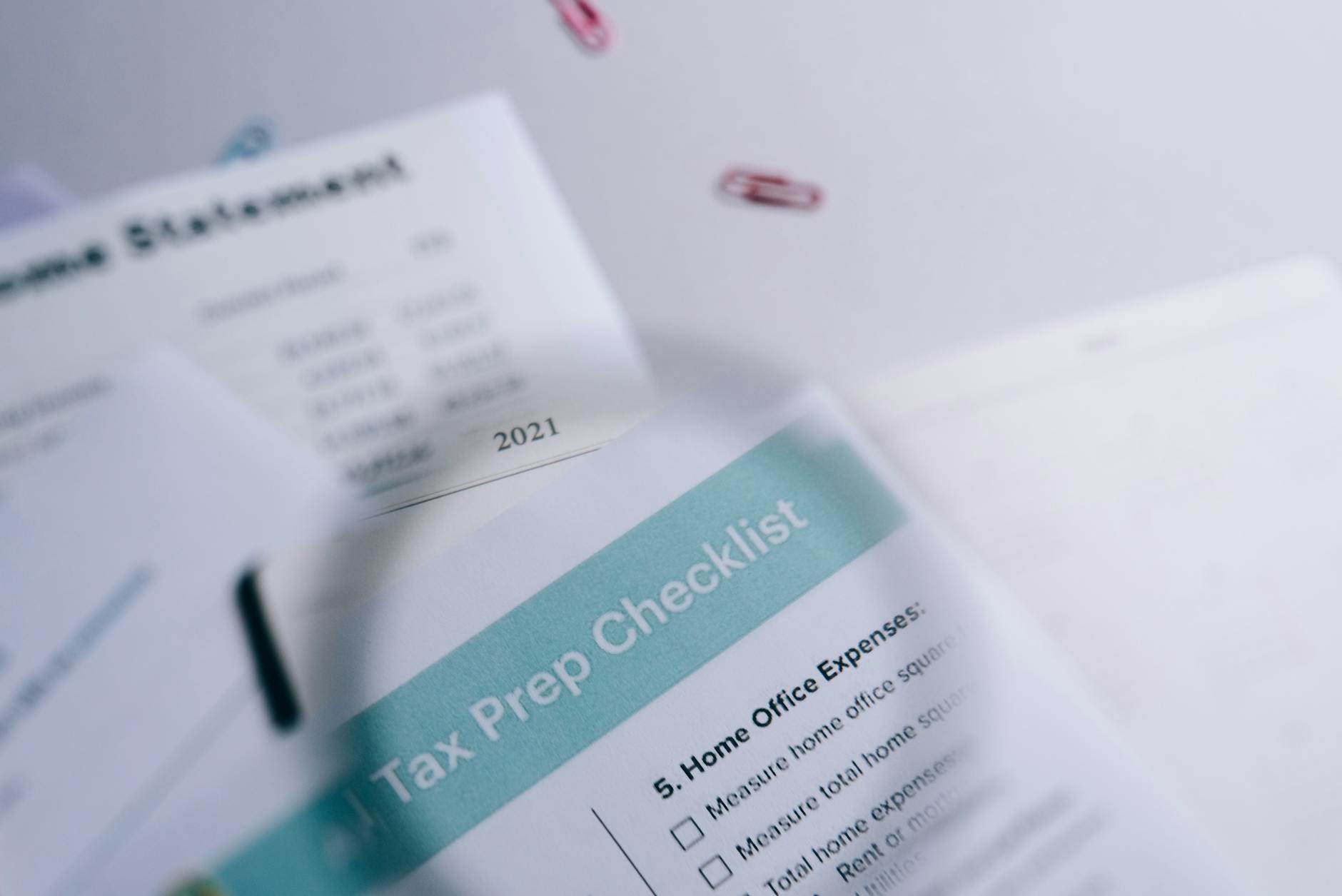
- Gather Documentation Early: Collect all necessary documents such as W-2s, 1099s, and expense receipts.
- Review Previous Tax Returns: Look at last year’s returns for guidance on what to expect this year.
- Consult with a Tax Professional: Engaging a tax expert can provide clarity on complex situations and maximize deductions.
- Set Deadlines: Create a timeline for completing necessary tasks to avoid last-minute scrambles.

Key Takeaways to Avoid Costly Bookkeeping Mistakes
To sum it up, here are the key takeaways:
- Stay organized and maintain accurate records.
- Separate personal and business finances.
- Regularly reconcile your accounts.
- Leverage technology to streamline your bookkeeping processes.
- Prepare early and consult with professionals when needed.
Frequently Asked Questions
What are the most common bookkeeping mistakes to avoid?
Common mistakes include neglecting record keeping, miscalculating income, and mixing personal with business finances.
How can I improve my bookkeeping practices?
Using accounting software, maintaining separate accounts, and regularly reconciling your records can significantly improve your practices.
What should I do if I missed a tax deadline?
If you missed a deadline, file as soon as possible to minimize penalties and consider consulting a tax professional for guidance.
How can technology help with bookkeeping?
Technology can automate tasks, simplify tracking expenses, and improve document organization, making the bookkeeping process more efficient.
What forms do I need for small business tax filing?
Common forms include Schedule C for sole proprietors and Form 1065 for partnerships; consult the IRS for specific requirements.
Disclaimer: This content is for informational purposes only and should not be considered as professional tax advice. Please consult a tax professional for personalized guidance.
Need expert tax help?
Cerritos-based Enrolled Agents helping individuals and businesses nationwide with filing, IRS issues, and bookkeeping.