How to Correctly Classify Your Business Expenses This Tax Season
Discover how to correctly classify your business expenses this tax season for maximum tax benefits and filing ease.
Introduction: Navigating the Tax Season
Tax season can feel overwhelming, especially for small business owners. With so many forms to fill out and numbers to crunch, one of the most important tasks ahead is correctly classifying your business expenses. This not only ensures compliance with IRS regulations but also maximizes your tax deductions, which can significantly impact your bottom line.
In this blog post, you will learn the importance of precise business expenses classification, practical tips for tax filing, and the specific categories you need to focus on. By the end, you’ll be equipped with actionable advice that can help make this tax season smoother and more beneficial for your business.
Understanding Business Expenses Classification
Before diving into specifics, it’s essential to understand what business expenses classification entails. At its core, it involves categorizing your expenses in a way that aligns with IRS requirements. The IRS recognizes various types of expenses, and each has different rules regarding deductibility.
Business expenses generally fall into two categories: deductible and non-deductible. Deductible expenses can be subtracted from your total income, reducing your taxable income, while non-deductible expenses cannot be claimed. Here are some common categories:
- Operating Expenses: day-to-day costs, such as rent, utilities, and office supplies.
- Cost of Goods Sold (COGS): the direct costs attributable to the production of goods sold.
- Depreciation: a method of allocating the cost of a tangible asset over its useful life.
- Interest Expenses: costs related to business loans.
- Travel and Meals: expenses incurred while traveling for business purposes.
Correctly classifying these expenses is vital for maximizing your tax deductions and ensuring compliance with IRS rules.
Common Business Expense Categories
Let’s break down some of the most common business expense categories and what they entail, so you can make sure you classify your expenses correctly this tax season.
1. Operating Expenses
Operating expenses include costs necessary to run your business on a day-to-day basis. These might include:
- Rent: If you lease your office space, this is a deductible expense.
- Utilities: Electricity, water, and internet bills.
- Office Supplies: Pens, paper, and other materials needed for daily operations.
2. Cost of Goods Sold (COGS)
If your business sells products, COGS includes all the direct costs associated with producing or purchasing those goods. This can include:
- Raw Materials: The materials used to create your products.
- Labor Costs: Wages paid to workers directly involved in production.
3. Depreciation
For larger purchases like equipment or buildings, you cannot deduct the entire cost in one year. Instead, you need to depreciate these assets, spreading the deduction over several years. Use IRS Form 4562 to report depreciation.
4. Travel and Meals
When traveling for business, you can deduct expenses such as:
- Transportation: Airfare, train tickets, or mileage if you drive your vehicle.
- Meals: Generally, you can deduct 50% of meal expenses incurred while traveling for business.
Keep in mind to always maintain thorough records of these expenses, including receipts and logs.
Practical Tips for Correctly Classifying Expenses
Now that you understand the categories, here are some practical tips to help you correctly classify your business expenses this tax season:
- Keep Detailed Records: Maintain receipts and invoices for all business expenses. Digital tools can help track these easily.
- Use Accounting Software: Consider using accounting software to automatically categorize and track expenses. Popular options include QuickBooks and Xero.
- Consult IRS Guidelines: Familiarize yourself with IRS publications, particularly Publication 535, which covers business expenses in detail.
- Work with a Tax Professional: Consider hiring an Enrolled Agent or tax professional to help navigate complex expenses and maximize deductions.
Implementing these tips can simplify the classification process and ensure you don’t miss out on valuable deductions.
Key Takeaways for Tax Season Preparation
As you prepare for tax season, here are some key takeaways to remember:
- Understand the different categories of business expenses.
- Keep meticulous records and use software to help manage your finances.
- Stay informed about IRS regulations and deadlines.
- Consider consulting a tax professional for complex situations.
Following these guidelines will help you navigate tax season more effectively and potentially save you money.
Frequently Asked Questions
1. What is the deadline for filing business taxes?
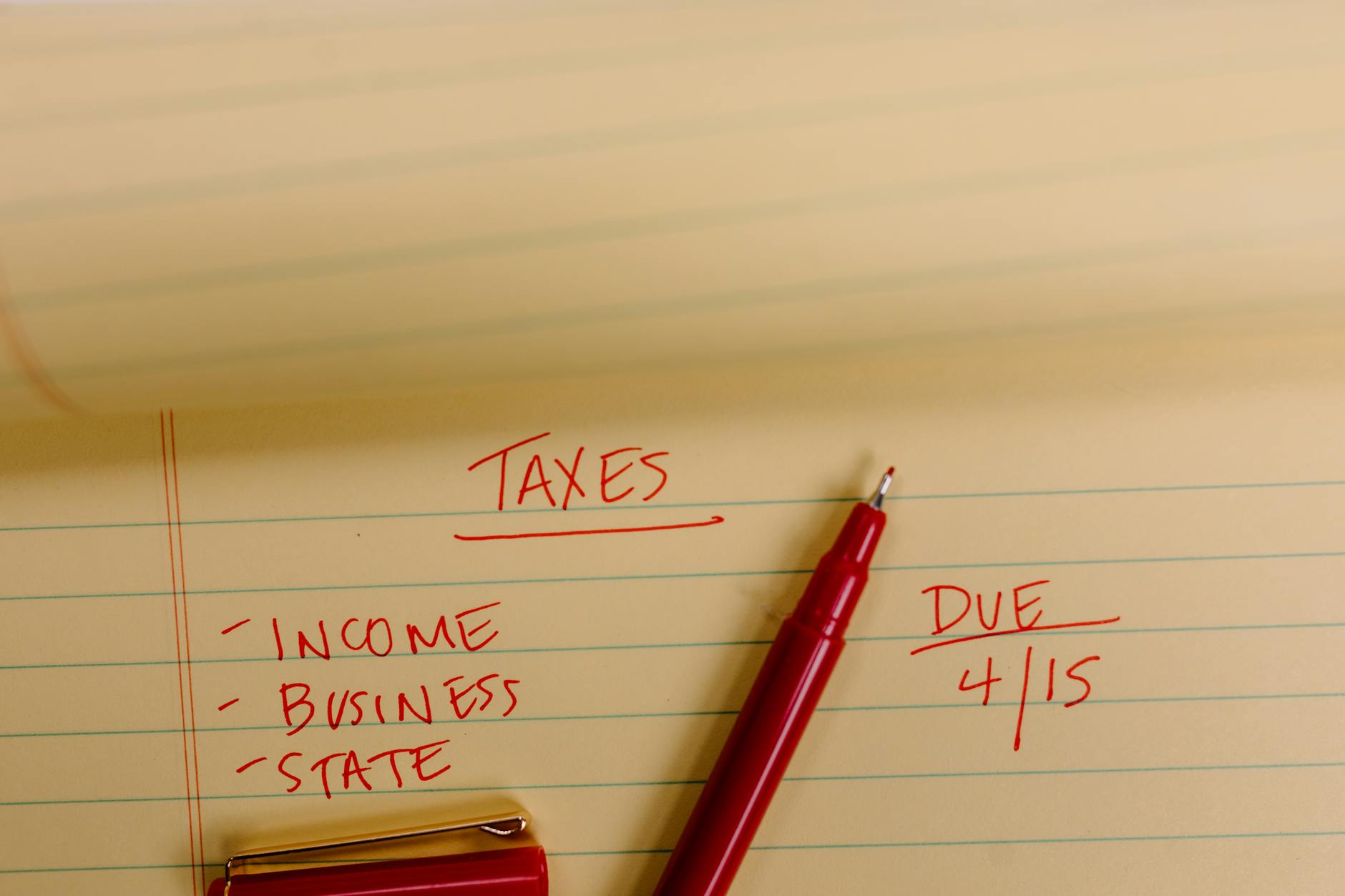
The deadline for most businesses is March 15 for S Corporations and April 15 for sole proprietorships and partnerships unless an extension is filed.
2. Can I deduct home office expenses?
Yes, if you use part of your home exclusively for business, you may qualify for home office deductions. Use IRS Form 8829 to calculate this deduction.
3. What should I do if I made a mistake in my expense classification?
If you realize you've misclassified an expense, you can amend your tax return by filing IRS Form 1040-X or the equivalent for your business entity.
4. Are there any deductions I can take if I start my business?
Yes, you can deduct certain startup costs, including expenses incurred before the business began operating, up to $5,000 in the first year.
Take Action This Tax Season with Libre Tax Service
Don’t let the complexities of tax filing overwhelm you. At Libre Tax Service, we specialize in helping small business owners in Cerritos, CA, and nationwide classify their expenses accurately and maximize their tax deductions. Our team of experienced Enrolled Agents is here to guide you through every step of the tax preparation process. Contact us today at (562) 925-7100 or email us at [email protected] to schedule your consultation and make this tax season stress-free!
About Libre Tax Service
Libre Tax Service is an Enrolled Agent firm based in Cerritos, CA, dedicated to providing expert tax services tailored to the needs of small business owners and individuals. Our experienced team is committed to ensuring you navigate tax season with confidence, maximizing your deductions while remaining compliant with IRS regulations. Let us help you make the most of your tax benefits!
Frequently Asked Questions
What is the deadline for filing business taxes?
The deadline for most businesses is March 15 for S Corporations and April 15 for sole proprietorships and partnerships unless an extension is filed.
Can I deduct home office expenses?
Yes, if you use part of your home exclusively for business, you may qualify for home office deductions. Use IRS Form 8829 to calculate this deduction.
What should I do if I made a mistake in my expense classification?
If you realize you've misclassified an expense, you can amend your tax return by filing IRS Form 1040-X or the equivalent for your business entity.
Are there any deductions I can take if I start my business?
Yes, you can deduct certain startup costs, including expenses incurred before the business began operating, up to $5,000 in the first year.
Disclaimer: This content is for informational purposes only and should not be considered legal or financial advice. Consult a tax professional for specific guidance.
Need expert tax help?
Cerritos-based Enrolled Agents helping individuals and businesses nationwide with filing, IRS issues, and bookkeeping.